
Refrigerated Rail & Cold Storage: Efficient Logistics Solutions
Refrigerated rail transport surges, connecting cold storage facilities for efficient, sustainable goods movement.
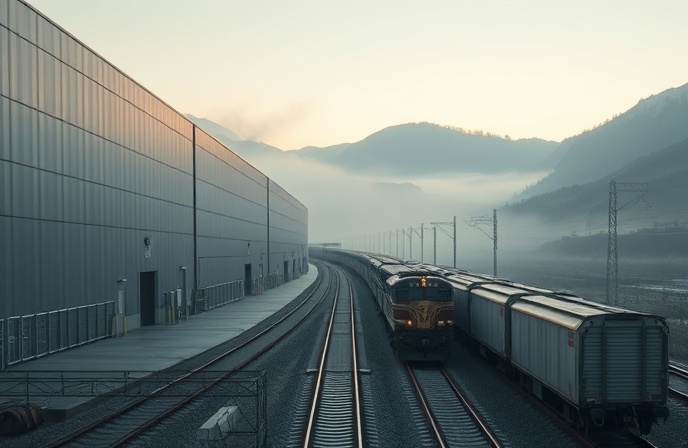
Refrigerated Rail: Expanding the Reach of Cold Storage Facilities
In an era demanding efficiency and reliability, the railway industry is experiencing a surge in demand for specialized transport solutions, with refrigerated transport playing a crucial role. This article examines the growing importance of refrigerated rail for transporting temperature-sensitive goods, focusing on how it connects the dots from producers to consumers, ensuring product integrity and minimizing waste. We will explore the operational aspects, technical innovations, and strategic advantages of integrating railway networks with strategically placed cold storage facilities. Understanding the latest trends is crucial for railway professionals navigating a complex and evolving logistics landscape. This article’s central focus is to analyze the expanding role of refrigerated rail transport, showcasing its significance in linking cold storage facilities with distribution networks and its impact on various segments of the supply chain.
The Rise of Refrigerated Rail Transport: Meeting Evolving Logistics Needs
The increasing complexity of supply chains and the growing demand for fresh and perishable goods have dramatically increased the importance of temperature-controlled logistics. Refrigerated rail transport offers a robust and cost-effective solution for moving goods over long distances. Unlike trucking, rail transport is less susceptible to traffic congestion and, due to its larger capacity, can handle high volumes of cargo in a single journey. This efficiency is particularly vital for the transportation of produce, pharmaceuticals, and other time-sensitive items. The advantages extend to sustainability; rail transport boasts a lower carbon footprint compared to road transport, making it an environmentally friendly choice that benefits both the railways and the cold storage facility operators who use them.
Integration and Technological Advancements within Cold Chain Logistics
The seamless integration of cold storage facilities with railway infrastructure is key to realizing the full potential of refrigerated rail transport. Modern cold storage facilities are equipped with advanced technologies such as real-time temperature monitoring systems, sophisticated tracking, and automated handling processes. These systems allow for precise control of cargo conditions throughout the journey, ensuring that products remain within optimal temperature ranges. Radio-frequency identification (RFID) tags enable instant tracking of individual packages, providing detailed data on location and environmental conditions. Additionally, innovative railcar designs, including improved insulation and energy-efficient refrigeration units (often powered by advanced generators), further enhance the reliability and efficiency of the transport process.
Strategic Location and Operational Considerations for Cold Storage Facilities
The strategic location of cold storage facilities is paramount for optimizing the efficiency of refrigerated rail transport. Ideally, these facilities should be situated near major rail hubs, distribution centers, and areas with high consumer demand. Proximity to rail lines and efficient loading/unloading facilities is crucial. This network integration reduces the need for multiple transfers, minimizing the risk of temperature fluctuations and damage to goods. Additionally, considerations include ensuring sufficient storage capacity and adapting the facilities to accommodate a range of product types, from frozen foods to pharmaceuticals, each with specific handling requirements. Collaboration between railway operators, cold storage facility managers, and other stakeholders is vital to smooth operations.
Economic and Environmental Benefits: Shaping the Future of Refrigerated Transport
The economic advantages of integrating cold storage facilities with railway networks are significant. Reduced transportation costs, increased cargo capacity, and minimized waste contribute to enhanced profitability for businesses. The lower carbon emissions associated with rail transport also bolster the environmental credentials of companies, aligning with global sustainability goals. The growth of refrigerated rail supports the expansion of global trade by facilitating the efficient movement of perishable goods across borders. By offering a reliable and sustainable alternative to traditional road transport, refrigerated rail is positioned to play an increasingly vital role in the future of logistics and the continued expansion of cold storage facility networks.
Conclusion
The convergence of technological advancements, strategic planning, and the growing demand for temperature-sensitive goods is reshaping the landscape of logistics. Refrigerated rail transport is now a pivotal component of efficient and sustainable supply chains, with a direct impact on the success of cold storage facilities. By optimizing the integration of cold storage facilities with rail networks and embracing innovation, the railway industry can create a more resilient and efficient infrastructure for moving temperature-sensitive goods. Looking ahead, we anticipate further investment in advanced railcar technology, expanded refrigerated rail networks, and the continued growth of strategically located cold storage facilities to support this growth. This will strengthen railway’s role in serving the transportation needs of consumers and the industry as a whole.

Railway infrastructure, rolling stock and transport technologies specialist focused on global rail industry developments, high-speed rail systems, signaling technologies and freight transportation. Covering railway investments, public transport modernization, rail operations and international mobility projects across Europe, Asia and North America.
RELATED POSTS
September 6, 2026 5:19 am
Hitachi delivered Taiwan's first N700ST high-speed train from Japan in...

September 5, 2026 4:19 pm
CPK launched formal tender talks with four consortia to design...

September 6, 2026 4:12 am
Alstom delivered the first of 100 new G Class trams...

September 5, 2026 7:14 pm
HS2 Ltd signed renegotiated civils contracts with EKFB and Align...
September 6, 2026 6:17 am
Hungary ordered a national ban on most freight trains from...
September 6, 2026 1:17 am
Hitachi Toshiba Supreme Consortium confirmed the first of 12 N700ST...