
U.S. Tariffs Impact: Rail Imports & Infrastructure Challenges
US tariffs are straining rail imports, increasing costs and congestion at ports and rail hubs. Shippers are re-routing goods, impacting railway infrastructure needs.
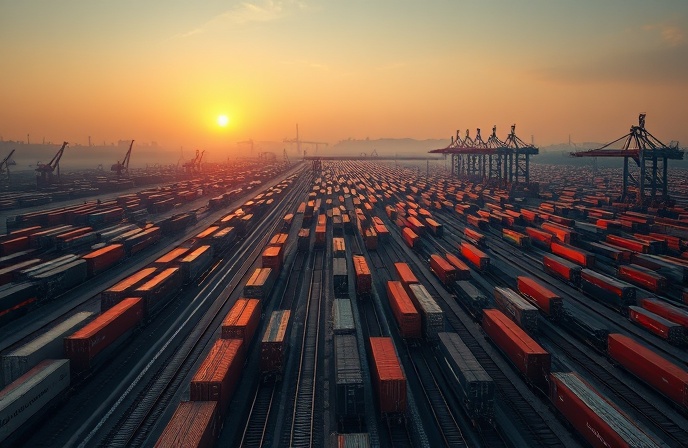
U.S. Tariffs Impacting the Flow of Rail Imports: Navigating a Complex Trade Landscape
The intricate web of international trade has been significantly reshaped by recent shifts in U.S. trade policy. Railway professionals, along with industry stakeholders across the nation, are keenly observing the ripple effects, particularly concerning the influx of goods and the subsequent strain on existing infrastructure. This article explores the complexities of how the U.S. tariffs impact on imports are altering the railway landscape. We’ll explore the “who” (importers, railway operators), “what” (import volumes, tariff impacts), “when” (recent years), “where” (major U.S. ports and rail hubs), “why” (protectionist policies), and “how” (re-routing of goods, increased costs). This analysis aims to clarify the practical implications for railway operations and planning, providing insights into the challenges and opportunities that lie ahead.
Increased Costs and Bottlenecks: The Immediate Impact
One of the most immediate consequences of U.S. tariffs on imported goods is the increase in operational costs for railway companies. Tariffs levied on materials used in railway construction and maintenance, such as steel and components, directly inflate expenses. Additionally, the additional financial burden on importers is often passed down, impacting the overall cost of transporting goods. This, in turn, affects the pricing structure of rail freight, potentially driving some shippers to seek alternative modes of transportation or negotiate lower profit margins. The increased congestion at ports and rail yards, resulting from altered trade flows as importers adapt to the U.S. tariffs impact on imports, is another major concern. This congestion can create bottlenecks, delay shipments, and reduce the efficiency of rail transport networks.
Shifting Trade Routes and Modal Shifts
The implementation of U.S. tariffs impact on imports has instigated significant shifts in trade routes. Importers, seeking to minimize tariff costs, might reroute goods through alternative ports of entry or source materials from different countries. For example, instead of importing directly from China, companies may choose to import through ports in Mexico or Canada. This can result in increased cross-border rail traffic and changes in the regional distribution of goods. Moreover, some shippers may re-evaluate the modal split of their supply chains. High-value, time-sensitive goods may be increasingly diverted to air freight, while lower-value goods may seek out more cost-effective options like trucking or potentially even intermodal transport options for longer distances where cost is the primary driver.
Infrastructure Pressures and Investment Imperatives
The changes in trade patterns resulting from the U.S. tariffs impact on imports are placing new pressures on existing railway infrastructure. Increased traffic volumes on specific routes necessitate increased maintenance efforts and capacity upgrades. Railway operators are facing the challenge of adapting infrastructure to handle these altered traffic patterns while simultaneously striving to optimize existing resources. This can involve track expansions, bridge improvements, signaling system upgrades (e.g., Positive Train Control, or PTC), and investments in larger, more efficient locomotives and rolling stock. Effective capacity planning and strategic investment in infrastructure are crucial for managing the influx of goods and avoiding bottlenecks and delays.
Resilience Strategies: Navigating the Uncertainties
Railway operators and industry stakeholders are actively developing strategies to mitigate the negative effects of U.S. tariffs on imports. These strategies often involve: diversifying supply chains to reduce reliance on goods subject to tariffs; negotiating with suppliers and customers to share the financial burden; investing in technologies that improve operational efficiency; and working closely with government agencies to advocate for policies that support the railway industry. Building supply chain resilience is key, along with carefully evaluating the potential of new technology to improve logistics and optimize capacity utilization. Companies such as Union Pacific and BNSF Railway are at the forefront of this, constantly seeking to optimize their operations to maintain efficiency and profitability.
Conclusion
The evolving landscape of international trade, significantly impacted by U.S. tariffs impact on imports, presents both challenges and opportunities for the railway industry. The immediate consequences – increased costs, route adjustments, and infrastructure strains – are evident. However, railway companies are adapting through strategic planning, technological investments, and resilient supply chain strategies. Looking ahead, the industry must continue to navigate the uncertain global economic environment by optimizing operational efficiency, anticipating trade pattern changes, and advocating for policies that support the long-term health and competitiveness of rail transport. The future will likely see increased collaboration between railway companies, shippers, and government agencies to streamline processes and strengthen the U.S. railway system’s crucial role in the nation’s economy.

Railway infrastructure, rolling stock and transport technologies specialist focused on global rail industry developments, high-speed rail systems, signaling technologies and freight transportation. Covering railway investments, public transport modernization, rail operations and international mobility projects across Europe, Asia and North America.
RELATED POSTS
September 6, 2026 5:19 am
Hitachi delivered Taiwan's first N700ST high-speed train from Japan in...

September 5, 2026 4:19 pm
CPK launched formal tender talks with four consortia to design...
September 6, 2026 6:17 am
Hungary ordered a national ban on most freight trains from...
September 6, 2026 1:17 am
Hitachi Toshiba Supreme Consortium confirmed the first of 12 N700ST...
September 5, 2026 6:17 pm
Universal Signalling won a deal to install its U-Cross system...
September 6, 2026 8:17 am
DB InfraGO reopened the Nuremberg-Regensburg line in Bavaria on 31...