
Rail Vision: Revolutionizing Rail Safety and Efficiency
Rail Vision imaging technology promises safer, more efficient railway operations. Enhanced track inspection and obstacle detection lead to reduced costs and improved safety.
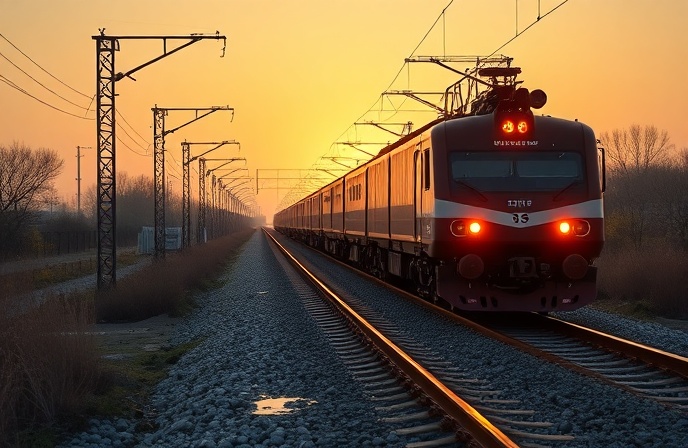
Rail Vision Imaging Technology: Revolutionizing Railway Safety and Efficiency
In an industry constantly striving for enhanced safety and operational efficiency, the introduction of innovative technologies is paramount. This article explores the transformative potential of Rail Vision imaging technology, a cutting-edge solution designed to revolutionize how the railway industry operates. This technology, utilizing advanced optical and data processing capabilities, promises to significantly improve safety protocols, streamline maintenance procedures, and ultimately reduce operational costs. We will delve into the specifics of this innovation, examining its practical applications, impact on the industry, and potential future developments. This article focuses on how Rail Vision imaging technology is poised to reshape railway operations, offering a detailed overview for railway professionals and industry stakeholders.
Enhanced Track Inspection Capabilities with Rail Vision
One of the primary applications of Rail Vision imaging technology lies in its ability to revolutionize track inspection processes. Traditionally, track inspections have relied heavily on manual visual checks and periodic ultrasonic testing. However, these methods can be time-consuming, labor-intensive, and may miss critical defects that develop between inspection cycles. Rail Vision’s advanced imaging systems provide real-time, high-resolution visual data of the track infrastructure, enabling the detection of cracks, wear, and other anomalies with unprecedented accuracy. The system employs a combination of optical and thermal imaging, allowing for the identification of issues that might be invisible to the naked eye, such as subsurface defects and temperature variations that could indicate potential problems. This proactive approach helps prevent derailments and significantly reduces the need for emergency repairs.
Improved Obstacle Detection and Collision Avoidance
Beyond track inspection, Rail Vision imaging technology also significantly enhances obstacle detection capabilities. The system can identify objects on or near the tracks, such as vehicles, animals, and debris, providing advanced warning to train operators. This is achieved through sophisticated image processing algorithms that differentiate between different types of objects and assess their potential threat level. The system integrates with existing train control systems, allowing for automated braking and other safety measures to be implemented, thereby mitigating the risk of collisions. This advanced functionality offers crucial improvements to overall safety, particularly in areas with high levels of wildlife activity or potential for obstructions. The use of Rail Vision imaging technology contributes to improved safety by providing railway operators with valuable real-time data on the surrounding environment.
Streamlining Maintenance and Reducing Operational Costs
The implementation of Rail Vision imaging technology offers substantial cost savings through more efficient maintenance practices. By providing detailed data on track conditions and potential hazards, the technology allows railway operators to transition from reactive maintenance to predictive maintenance. This involves identifying and addressing issues before they escalate into major problems, minimizing downtime and the need for costly emergency repairs. Additionally, the ability to accurately assess track wear and tear allows for optimized maintenance schedules, ensuring that resources are allocated effectively. The reduction in unplanned outages and more efficient use of maintenance crews contribute to significant reductions in overall operational costs.
The Role of Artificial Intelligence and Data Analytics
The effectiveness of Rail Vision technology is amplified through the integration of artificial intelligence (AI) and advanced data analytics. The imaging systems generate vast amounts of data, which can be analyzed to identify patterns, predict future failures, and optimize maintenance strategies. AI algorithms are used to automatically classify defects, assess their severity, and prioritize repair efforts. This data-driven approach enables railway operators to make informed decisions, improving resource allocation and proactively addressing potential problems. The combined use of Rail Vision imaging technology, AI, and data analytics represents a new paradigm in railway operations, offering the potential for unprecedented efficiency and safety.
Conclusion
To summarize, Rail Vision imaging technology represents a significant advancement in railway safety and operational efficiency. By providing enhanced track inspection capabilities, improved obstacle detection, and streamlined maintenance processes, the technology is poised to transform the railway industry. The integration of AI and data analytics further enhances its potential, allowing for a proactive, data-driven approach to railway management. The adoption of this technology offers significant benefits, including reduced operational costs, improved safety records, and increased network availability. Looking ahead, we can anticipate further advancements in Rail Vision, including expanded functionality, improved image resolution, and wider integration with existing railway systems. The continued development and implementation of this technology hold the promise of a safer, more efficient, and more sustainable railway future for all stakeholders. The future of rail is increasingly reliant on technologies like this.

Railway infrastructure, rolling stock and transport technologies specialist focused on global rail industry developments, high-speed rail systems, signaling technologies and freight transportation. Covering railway investments, public transport modernization, rail operations and international mobility projects across Europe, Asia and North America.
RELATED POSTS

September 6, 2026 5:19 am
Hitachi delivered Taiwan's first N700ST high-speed train from Japan in...

September 5, 2026 4:19 pm
CPK launched formal tender talks with four consortia to design...

September 6, 2026 4:12 am
Alstom delivered the first of 100 new G Class trams...

September 5, 2026 7:14 pm
HS2 Ltd signed renegotiated civils contracts with EKFB and Align...

September 6, 2026 1:17 am
Hitachi Toshiba Supreme Consortium confirmed the first of 12 N700ST...

September 6, 2026 6:17 am
Hungary ordered a national ban on most freight trains from...