
Rotterdam Theemsweg Rail Upgrade: SaVe Consortium’s Success
Rotterdam’s Theemsweg freight line upgrade is underway! The SaVe consortium tackles this massive rail project, boosting port efficiency and European logistics.
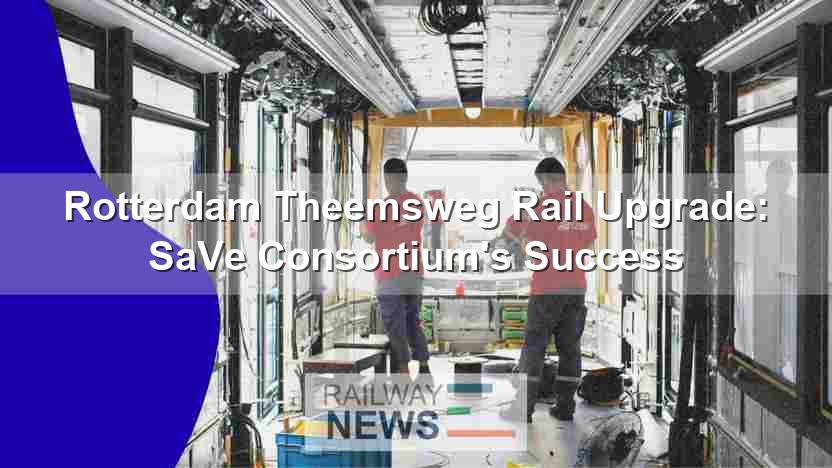
This article examines the significant contract awarded to the SaVe consortium for the construction of a vital new freight line within the Port of Rotterdam. The project, centered around the Theemsweg route, represents a substantial investment aimed at enhancing the port’s rail connectivity, bolstering its capacity for freight transport, and ultimately improving the efficiency of the entire Dutch logistical network. The undertaking involves the creation of a substantial elevated railway viaduct incorporating sophisticated bridge structures, requiring extensive engineering expertise and significant financial resources. This article will delve into the specifics of the project, exploring the consortium’s role, the engineering challenges involved, the economic implications, and the broader impact on the Port of Rotterdam’s overall strategic position within the European freight transportation landscape. We will also assess the long-term benefits for both the port and the national economy.
The SaVe Consortium and Project Scope
The SaVe consortium, a joint venture comprising Besix, Mobilis, Dura Vermeer, Hollandia, and Iemants – five prominent construction companies – secured the contract from the Port of Rotterdam Authority. Their responsibility encompasses the construction of the substructure for the 4km long Theemsweg route, a key element in upgrading the port’s rail infrastructure. This substructure includes a raised railway viaduct featuring two steel arch bridges strategically positioned to overcome geographical constraints and optimize the alignment of the new line. The project’s complexity demands a high level of coordination and expertise in various engineering disciplines, including geotechnical engineering, structural engineering, and railway systems integration.
Engineering Challenges and Solutions
Constructing a 4km elevated railway viaduct with two significant steel arch bridges presents considerable engineering challenges. These include site logistics, managing potential environmental impacts, and ensuring the structural integrity of the viaduct under various load conditions, including heavy freight train traffic. Precise calculations are necessary to determine the optimal bridge span, the type and strength of the steel used in the arches, and the foundation design for the viaduct piers to ensure long-term stability and safety. The project also necessitates careful consideration of the integration with existing infrastructure, minimizing disruption to existing port operations during construction.
Economic Impact and Funding
The €300 million investment in the Theemsweg route demonstrates the significant economic importance of improving rail connectivity for the Port of Rotterdam. The project is partially funded by a €62 million subsidy from the European Union, highlighting the project’s strategic importance at a pan-European level. The remaining funds are provided by the Port of Rotterdam Authority and the Netherlands Ministry of Infrastructure and Water Management, indicating a shared commitment to enhancing the port’s competitiveness and efficiency. The expected increase in freight train traffic will benefit not only the port itself but also the broader Dutch economy by reducing road congestion and improving the efficiency of goods transportation within the hinterland.
Strategic Significance for Rotterdam and Beyond
The Theemsweg route upgrade is crucial for the continued success of the Port of Rotterdam, one of Europe’s busiest ports. By removing bottlenecks and improving rail connectivity, particularly to the Brittanniëhaven area, the project aims to significantly increase the volume of rail freight transported to and from the port. This will enhance the port’s competitiveness by offering a more efficient and sustainable alternative to road transport. The project contributes to broader EU transport policy goals focused on shifting freight from road to rail, reducing carbon emissions, and improving the overall efficiency of the European logistics network. The increased capacity and improved connectivity will attract new businesses, stimulate economic growth, and strengthen the Port of Rotterdam’s position as a major European logistics hub.
Conclusion
The awarding of the Theemsweg route contract to the SaVe consortium marks a significant step towards modernizing and enhancing the rail infrastructure of the Port of Rotterdam. The project’s scale, involving the construction of a substantial elevated railway viaduct and two steel arch bridges, presents considerable engineering challenges, but its successful completion will yield significant benefits. The €300 million investment, partly funded by the European Union, underscores the project’s economic importance and its alignment with broader European transport policy objectives. The enhanced rail connectivity will not only improve the efficiency and capacity of the Port of Rotterdam but also contribute to a more sustainable and efficient transportation network across the Netherlands and beyond. By reducing reliance on road transport and increasing rail freight volume, the project promises to strengthen Rotterdam’s position as a leading European port, driving economic growth and fostering competitiveness within the European logistics landscape. The successful completion of this project serves as a model for similar infrastructure upgrades in other major ports across Europe, showcasing the transformative power of strategic investment in rail infrastructure for improving overall logistics efficiency and sustainability.

Railway infrastructure, rolling stock and transport technologies specialist focused on global rail industry developments, high-speed rail systems, signaling technologies and freight transportation. Covering railway investments, public transport modernization, rail operations and international mobility projects across Europe, Asia and North America.
RELATED POSTS

October 1, 2026 7:09 am
United States regulators confirmed a September 30 deadline for the...

October 8, 2026 1:15 pm
Alstom secured a €1bn contract to build 13 automated trains,...

October 4, 2026 5:14 pm
Alstom secured a CA$4.7 billion order from VIA Rail Canada...

October 4, 2026 11:08 pm
Sound Transit confirmed the September 30 opening of Seattle Pinehurst...
October 1, 2026 10:14 am
HS2 installed a 55-metre steel span in Birmingham, completing phase...

October 8, 2026 12:18 pm
Siemens Mobility signed an agreement with VinSpeed to supply 350...