
Siemens Digitalizes Norway’s Rail: ETCS Level 2
Norway’s railway is going digital! Siemens’ €800 million ETCS Level 2 upgrade boosts safety, efficiency, and capacity – a game-changer for rail professionals. Learn more!
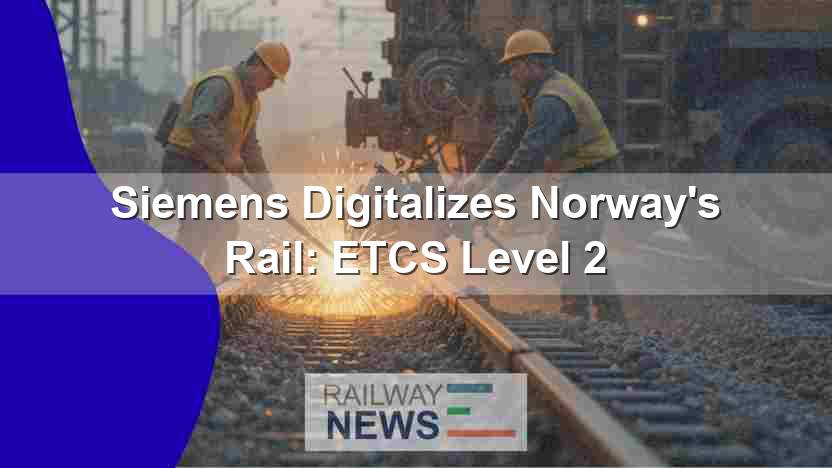
Siemens’ €800 Million Contract to Digitalize the Norwegian Railway Network
This article explores the significant contract awarded to Siemens by Bane NOR (Norwegian National Rail Administration) for the detailed digitalization of Norway’s railway signaling system. The €800 million project represents a substantial investment in modernizing the nation’s rail infrastructure, transitioning it to a fully digital, IP-based system. This modernization goes beyond simply upgrading technology; it signifies a paradigm shift towards improved safety, increased capacity, enhanced punctuality, and a more efficient, data-driven approach to rail operations and maintenance. The scope of the project is vast, encompassing the implementation of cutting-edge technologies such as the European Train Control System (ETCS), advanced interlocking systems, and a robust IP-based communication network. The implications of this project extend beyond Norway, serving as a potential model for other nations seeking to modernize their aging rail systems and embrace the benefits of digitalization.
Implementing the European Train Control System (ETCS) Level 2
A cornerstone of the digitalization project is the implementation of the ETCS Level 2 (European Train Control System) using Trainguard technology. ETCS is a crucial element in improving rail safety and efficiency. Unlike older, track-side signaling systems, ETCS Level 2 uses a radio-based communication system between the train and the trackside infrastructure. This allows for continuous train monitoring and control, eliminating the need for traditional trackside signals and significantly enhancing safety by preventing collisions and overspeeding. The digital nature of ETCS also facilitates better capacity management, allowing trains to run closer together while maintaining a safe distance. The adoption of Trainguard, a specific ETCS implementation, signifies a move towards a standardized, interoperable signaling system, paving the way for seamless cross-border train operations in the future.
Building a Robust IP-Based Communication Infrastructure
The project’s success hinges on the establishment of a robust and reliable IP-based communication network. This network, using Siemens’ Sinet and Simis W solutions, will serve as the backbone for data exchange between all components of the new signaling system. An IP-based system offers several key advantages. It provides superior scalability and flexibility, allowing for easier expansion and upgrades of the system as needs evolve. It also facilitates remote monitoring and diagnostics, enabling proactive maintenance and reducing downtime. By centralizing data, the IP-based system empowers predictive maintenance strategies, which optimize maintenance schedules and minimize costly disruptions. The move to an “Internet of Things” (IoT) system allows for real-time data analysis, creating a far more efficient and responsive railway network.
Modernizing Interlocking and Train Detection Systems
The modernization extends beyond the ETCS system. The project includes upgrading interlockings (systems that ensure safe routing of trains through junctions and switches) to modern, digital solutions. This provides improved safety and reliability, reducing the risk of human error. Simultaneously, the train detection systems will be upgraded to enhance precision and accuracy in monitoring train locations. The integration of these components with the ETCS and IP-based communication network creates a highly reliable and coordinated system. This holistic approach ensures that the safety and efficiency gains from the new signaling system are maximized. This integrated approach addresses potential bottlenecks and ensures a seamless flow of information across the entire rail network.
Conclusion
The Siemens contract for the digitalization of Norway’s railway network is a landmark achievement in railway modernization. The implementation of ETCS Level 2, coupled with a robust IP-based communication infrastructure and modernized interlocking and train detection systems, will significantly enhance safety, capacity, and punctuality of the Norwegian rail network. The project showcases a paradigm shift toward a data-driven approach to rail operations and maintenance, paving the way for more efficient and cost-effective rail services. The 25-year maintenance agreement further emphasizes the long-term commitment to the system’s reliability and longevity. This project’s success will not only transform Norway’s railway system but also serves as a valuable model for other countries looking to modernize their rail infrastructure and embrace the benefits of digital technology. The long-term cost savings from reduced maintenance and increased operational efficiency, along with the improved safety record, make this a highly strategic investment for the future of Norwegian rail transportation. The project’s success will undoubtedly be a significant contribution to the overall efficiency and sustainability of Norway’s transportation network, and could inspire similar modernization projects worldwide.

Railway infrastructure, rolling stock and transport technologies specialist focused on global rail industry developments, high-speed rail systems, signaling technologies and freight transportation. Covering railway investments, public transport modernization, rail operations and international mobility projects across Europe, Asia and North America.
RELATED POSTS
September 6, 2026 5:19 am
Hitachi delivered Taiwan's first N700ST high-speed train from Japan in...

September 5, 2026 4:19 pm
CPK launched formal tender talks with four consortia to design...

September 5, 2026 7:14 pm
HS2 Ltd signed renegotiated civils contracts with EKFB and Align...

September 6, 2026 4:12 am
Alstom delivered the first of 100 new G Class trams...
September 6, 2026 1:17 am
Hitachi Toshiba Supreme Consortium confirmed the first of 12 N700ST...
September 6, 2026 6:17 am
Hungary ordered a national ban on most freight trains from...