
Alstom Modernizes Lyon Metro Line D: Driverless Rail Future
Alstom wins $345M contract to modernize Lyon Metro Line D, deploying new automated trains.
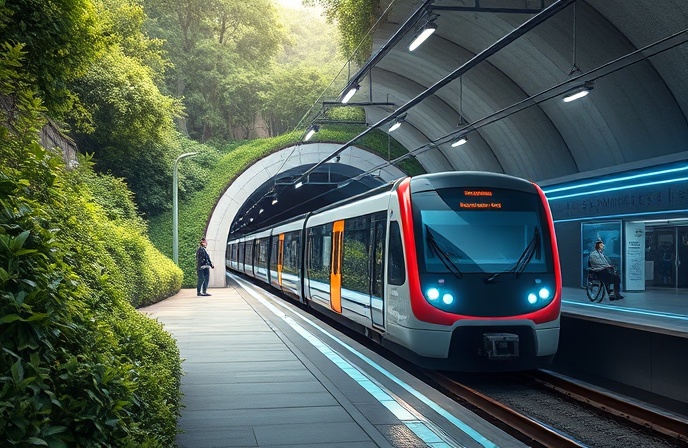
Alstom Secures $345M Contract to Modernize Lyon Metro Line D
Alstom, a global leader in rail transport, has been awarded a contract exceeding €300 million ($345 million) by SYTRAL Mobilités to modernize Line D of the Lyon metro. This ambitious project, announced on July 31, 2025, will see the deployment of 26 new-generation, fully automated metro trains, alongside significant upgrades to the line’s signaling and automation systems. Line D, the busiest line in Lyon’s metro network, is slated for a complete overhaul with the aim of improving passenger experience, increasing capacity, and promoting sustainable mobility. The project’s core revolves around the introduction of the MPL25 rolling stock, designed for seamless integration with existing infrastructure. Through a combination of innovative technology and detailed system upgrades, this project aims to transform the efficiency and sustainability of Lyon’s urban transit network, all while improving the passenger experience.
New Rolling Stock: The MPL25’s Innovative Design
The core of the modernization project centers around the introduction of the new MPL25 two-car metro trains. These trains, capable of carrying over 300 passengers, are designed for full automation, allowing for driverless operation. A key design feature is their interoperability with the MPL16 trains currently in operation on Line B. This interoperability allows for the creation of extended train formations of up to four cars, thus significantly increasing the line’s passenger capacity. The new trains offer a host of passenger amenities, including large windows, a refrigerated ventilation system, and LED lighting, to create a comfortable journey for passengers. Environmental considerations are also central to the design, with the trains being 96% recyclable and featuring an eco-friendly construction. Additionally, accessibility has been prioritized, incorporating spacious entrance areas, wide corridors, and open circulation between cars to cater to individuals with reduced mobility.
Eco-Friendly Braking Systems and Emissions Reduction
The MPL25 trains incorporate a 100% electric braking system, a critical feature in line with the project’s sustainability goals. This system not only recovers energy during braking, thereby reducing overall energy consumption, but also significantly minimizes particulate emissions. The integration of this regenerative braking technology, along with other design improvements, is projected to substantially reduce energy consumption compared to older models such as the MPL85. This emphasis on energy efficiency underscores the commitment to creating a more environmentally friendly transit system, decreasing the carbon footprint associated with urban transport.
Signaling and Automation Upgrades: The Urbalis Solution
Beyond the rolling stock, a significant portion of the €300+ million investment is dedicated to upgrading the automatic control system on Line D. Alstom will implement its Urbalis signaling solution, which is already successfully deployed on Lyon’s Line B. The Urbalis system facilitates driverless operation and is designed to enhance transport capacity, a crucial factor given the rising ridership on the Lyon metro lines. This upgrade is essential for handling increased passenger volume. This upgrade incorporates cutting-edge control and cybersecurity technologies, aligning with the growing demand for smarter and more sustainable mobility solutions.
A Multi-Site Collaboration and International Impact
The Lyon metro project exemplifies a collaborative effort involving expertise from seven Alstom sites across France. These sites, located in Valenciennes, Ornans, Le Creusot, Tarbes, Villeurbanne, Crespin, and Saint-Ouen, will contribute specialized components and services, from train assembly to cybersecurity solutions. The project highlights Alstom’s extensive domestic manufacturing capabilities and expertise. Additionally, the announcement comes as Alstom is simultaneously delivering propulsion components for an additional 435 R211 series subway cars for New York City Transit (NYCT), following an option exercised with Kawasaki Rail Car. This NYCT project will result in over 80% of the NYCT fleet being equipped with Alstom’s propulsion systems. This further emphasizes Alstom’s global reach and its role in modernizing urban transit networks worldwide.
Conclusion
Alstom’s contract to modernize Lyon’s Line D metro signifies a significant step toward the future of urban transit. The project’s focus on advanced rolling stock, automated systems, and energy-efficient technologies underscores a broader shift in the industry towards more sustainable and passenger-centric transport solutions. The integration of driverless operation, increased capacity, and eco-friendly features position Lyon’s metro as a model for other cities looking to upgrade their public transit systems. The project also showcases Alstom’s ability to deliver detailed solutions, from train manufacturing to signaling systems, further solidifying its position as a leading player in the global rail market. The successful implementation of the Lyon project is expected to contribute to increased efficiency, improved passenger satisfaction, and a reduced environmental footprint. The collaboration between multiple Alstom sites highlights a commitment to technical excellence. As cities worldwide grapple with the challenges of urban growth and climate change, such investments in modern, sustainable transit systems will only increase.
Company Summary: Alstom
Alstom is a global leader in the railway sector, operating in over 70 countries and employing approximately 74,000 people worldwide. The company designs, manufactures, and services a wide range of railway solutions, from high-speed trains and metros to signaling systems and infrastructure solutions. Alstom is committed to sustainable mobility and offers innovative solutions to meet the evolving needs of the railway industry and the ever-growing demands for transportation globally. Its diverse portfolio includes rolling stock, signaling systems, services, and infrastructure. Alstom’s commitment to innovation and sustainability is evident in its continued investment in research and development, as well as its focus on environmentally friendly technologies.

Railway infrastructure, rolling stock and transport technologies specialist focused on global rail industry developments, high-speed rail systems, signaling technologies and freight transportation. Covering railway investments, public transport modernization, rail operations and international mobility projects across Europe, Asia and North America.
RELATED POSTS
September 6, 2026 5:19 am
Hitachi delivered Taiwan's first N700ST high-speed train from Japan in...

September 5, 2026 4:19 pm
CPK launched formal tender talks with four consortia to design...
September 6, 2026 6:17 am
Hungary ordered a national ban on most freight trains from...
September 6, 2026 1:17 am
Hitachi Toshiba Supreme Consortium confirmed the first of 12 N700ST...
September 6, 2026 8:17 am
DB InfraGO reopened the Nuremberg-Regensburg line in Bavaria on 31...
September 7, 2026 8:16 am
Midea, Gree and TCL shipped air conditioners via China Railway...