
US Rail Traffic Uptick: Intermodal Growth & Supply Chain Insights
US rail traffic saw a slight uptick in late July, a 1.1% increase year-over-year. Economic factors and seasonal shifts influence this trend.

Rail Traffic Shows Slight Uptick in Late July
U.S. freight railroads experienced a modest increase in traffic during the last full week of July, offering a glimpse into the industry’s performance amidst ongoing economic uncertainties. The Association of American Railroads (AAR) data, released this week, shows a year-over-year increase in combined carloads and intermodal units. This report analyzes the data, providing insights into the current state of rail traffic and potential implications for the supply chain. This article aims to dissect the key figures, explore the factors influencing the slight rise, and assess the industry’s overall trajectory.
Traffic Volume Analysis
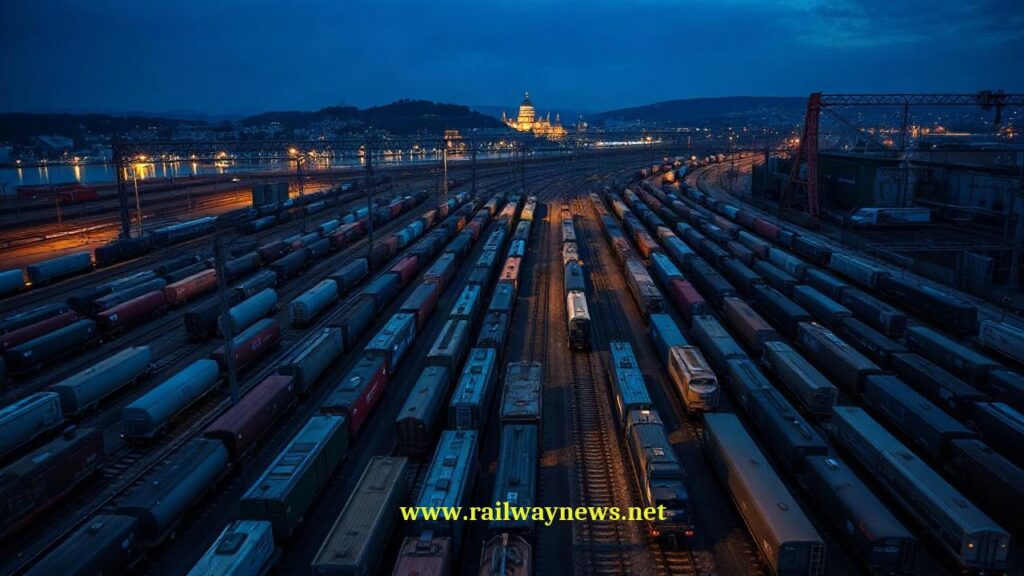
For the week ending July 26th, the AAR reported a total of 514,279 carloads and intermodal units. This represents a 1.1% increase compared to the same week in the previous year. While the growth is relatively small, it signifies a positive movement in a period often marked by seasonal fluctuations. The data encompasses a wide range of commodities and container traffic, indicating the breadth of the rail network’s activity. Understanding the composition of this traffic – the specific types of goods being transported – offers a more nuanced view of the economy’s health and shifts in consumer demand.
Intermodal Growth: A Closer Look
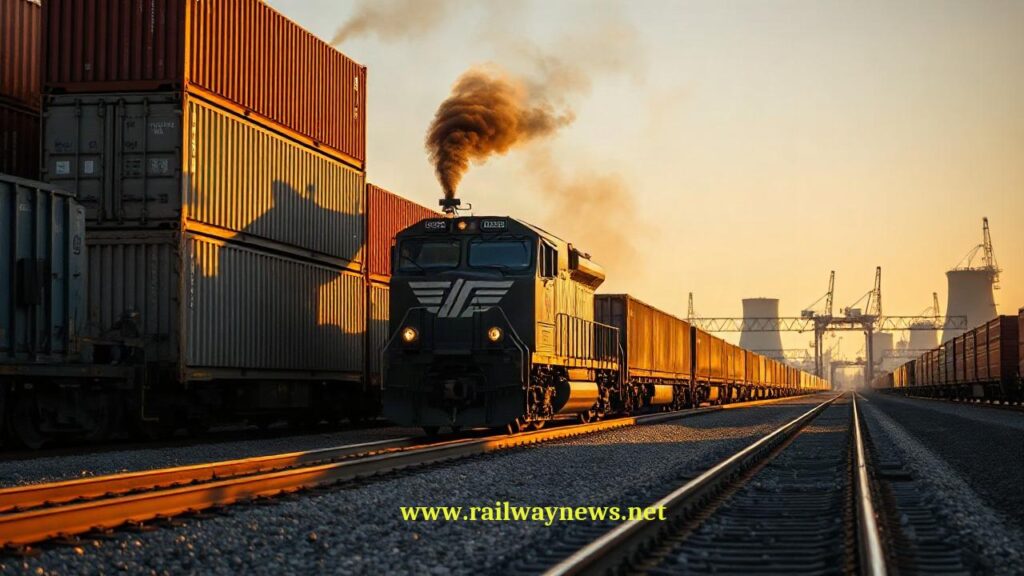
The 1.1% increase combines both carloads, which are the traditional rail transport of individual railcars carrying bulk commodities, and intermodal units. Intermodal traffic, involving the transport of containers or trailers that can be transferred between different modes of transportation, has grown to be a significant driver of rail traffic in the U.S. Tracking the specific performance of intermodal traffic within the total figures offers valuable insights. A strong intermodal sector, for example, usually reflects sustained consumer spending and imports, or an uptick in retail goods moving across country.
Factors Influencing Performance
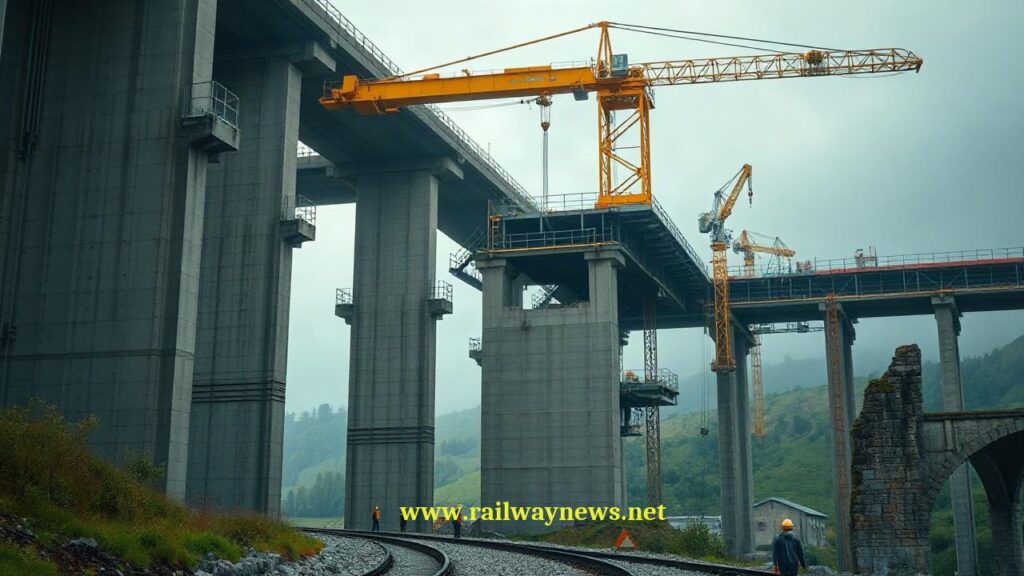
Several factors likely contributed to the observed traffic increase. These include the ongoing shift in demand for different goods, the continued recovery from pandemic-related disruptions, and the overall health of the US economy. Seasonality is also a crucial aspect of this type of analysis; the summer months often present shifts. Additionally, the efficiency and operational capabilities of individual Class I railroads (the largest freight railroads in North America) affect aggregate performance. Investments in infrastructure, such as track maintenance and signaling systems, play a key role in the industry.
Conclusion
The slight increase in rail traffic during the last full week of July provides a snapshot of the industry’s performance. While the growth is modest, the overall trend is positive, indicating that railroads are adjusting to changing market dynamics and maintaining efficiency in the face of potential challenges. The continued success of intermodal operations and the economic conditions, plus any adjustments in consumer spending and retail sales, will greatly inform the future of the rail industry.
The future outlook for the rail industry depends on several factors. The economy, energy prices, and the continued efficiency of the supply chain will all play key roles. Railroads are investing in advanced technologies to improve efficiencies in the supply chain and maximize volume in their operations.

Railway infrastructure, rolling stock and transport technologies specialist focused on global rail industry developments, high-speed rail systems, signaling technologies and freight transportation. Covering railway investments, public transport modernization, rail operations and international mobility projects across Europe, Asia and North America.
RELATED POSTS

September 5, 2026 4:19 pm
CPK launched formal tender talks with four consortia to design...
September 5, 2026 7:14 pm
HS2 Ltd signed renegotiated civils contracts with EKFB and Align...

September 6, 2026 4:12 am
Alstom delivered the first of 100 new G Class trams...
September 6, 2026 6:17 am
Hungary ordered a national ban on most freight trains from...
September 6, 2026 8:17 am
DB InfraGO reopened the Nuremberg-Regensburg line in Bavaria on 31...
September 7, 2026 8:16 am
Midea, Gree and TCL shipped air conditioners via China Railway...