
Bristol Temple Quarter: Gateway to Rail Infrastructure & Growth
Bristol’s Temple Quarter gets boost with Southern Gateway rail plan. New housing, jobs, and public spaces near Temple Meads station are planned.
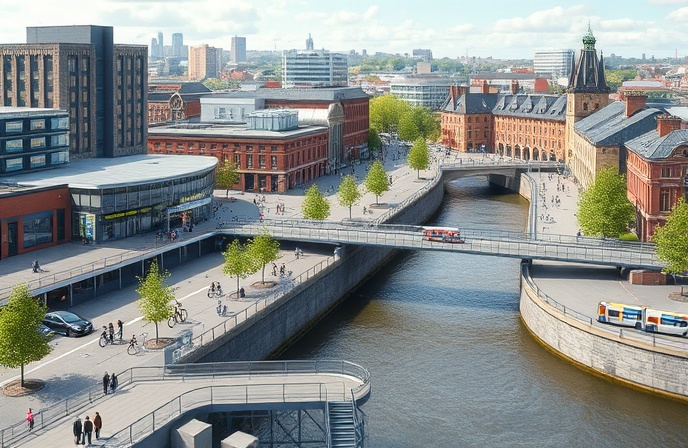
Bristol Temple Quarter Transformation Takes a Significant Step Forward with Southern Gateway Planning Application
Bristol is poised for a major transportation and urban regeneration boost with the submission of a planning application for the Southern Gateway, a crucial element of the Bristol Temple Quarter (BTQ) programme. This ambitious project, spearheaded by the Bristol Temple Quarter Limited Liability Partnership (BTQ LLP), aims to revitalize 135 hectares of central Bristol. The Southern Gateway initiative is a vital step toward unlocking new housing, commercial development, and public spaces near Bristol Temple Meads station. The application, submitted on the Planning Portal as reference 25/13135/F, will transform the area, improving connectivity and enhancing the overall experience for rail passengers and residents. This article explores the key components of the Southern Gateway, its wider impact, and its significance for Bristol’s future as a thriving transport hub.
Southern Gateway: A Hub for Enhanced Connectivity
The Southern Gateway represents a detailed redesign of the area surrounding Bristol Temple Meads. Key features include a purpose-built secure cycle building, new bus stops, improved walking and cycling routes, and a multi-storey car park. Currently, the area is dominated by car parking, which creates a poor impression for those arriving in the city, with much of this parking serving rail staff and passengers. The strategic relocation of regulated parking to the Southern Gateway will free up prime real estate for new development north of the station, specifically at the Friary, Station Approach, and the Grade I listed Midland Shed. This will enhance the city’s public spaces and travel routes, creating a more attractive and accessible gateway to Bristol. Moreover, this project seeks to accommodate current and future users of the station. This includes the creation of a new walkway over the River Avon, transforming an existing railway track into a pedestrian access point, further improving the accessibility for residents in the south of the city.
The Bristol Temple Quarter (BTQ) Programme: An Overview
The Southern Gateway is a core component of the wider BTQ programme, a large-scale urban regeneration project designed to transform a significant area of central Bristol. The BTQ programme is a collaborative effort involving Homes England, Bristol City Council, and the West of England Mayoral Combined Authority. The project’s scope is ambitious, encompassing the development of 10,000 new homes, the creation of thousands of new jobs, and the provision of new infrastructure and public spaces across the 135-hectare site. The programme’s long-term objectives are clear, and the planning application for the Southern Gateway is an important initial step in delivering the area’s vision. The BTQ LLP was formed specifically to manage and drive the development forward, marking a key step towards this ambitious vision.
Strategic Importance and Public Consultation Feedback
The Southern Gateway’s strategic importance is underscored by its direct link to the BTQ programme’s goals. The planning application follows extensive public consultation, including public engagement in 2025 and the Temple Quarter Development Framework, endorsed by the council’s cabinet in May 2023. Significantly, over a third of respondents to the consultation expressed their intent to utilize the Southern Gateway entrance, citing increased convenience and proximity to their residences as the primary motivators. The development’s integration with the existing infrastructure, and accessibility to the public showcases how it has taken the public into consideration. The framework also aligns with the 2016 Temple Quarter Spatial Framework and helps to set the stage for the future development around Temple Meads station.
Stakeholder Perspectives and Future Developments
The project has garnered enthusiastic support from key stakeholders. Karen Mercer, CEO of BTQ LLP, highlights the project’s significance in delivering new homes, jobs, and public spaces. Helen Godwin, Mayor of the West of England, views it as an opportunity to enhance transportation and improve the experience of the city. Councillor Tony Dyer, Leader of Bristol City Council, emphasizes the Southern Gateway’s role in the ongoing transformation of the area. Network Rail’s Western Route Director, Marcus Jones, sees it as a part of the station’s transformation. Additionally, the existing projects at Temple Meads are expected to create four new or improved entrances. The Eastern Entrance, opening into the new University of Bristol Enterprise Campus, is scheduled for Autumn 2026. Moreover, Homes England, represented by Joe Wharton, Assistant Director – Regional, views the Southern Gateway as a crucial step in delivering homes and jobs at scale in Bristol.
Conclusion
The submission of the Southern Gateway planning application marks a pivotal moment in the BTQ programme and signifies a significant step towards the transformation of Bristol Temple Quarter. The project’s detailed approach, encompassing improved transport infrastructure, and enhanced public spaces, has the potential to elevate Bristol’s status as a dynamic and well-connected city. The design’s emphasis on integrating various transport modes is set to facilitate seamless journeys for commuters and visitors. The Southern Gateway is not only a modern transportation hub but is a catalyst for economic growth. The ongoing development and increased investment in transport infrastructure demonstrate a commitment to sustainable urban development, improving quality of life and fostering a vibrant community. The project’s success hinges on the successful collaboration of several partnerships including the BTQ LLP, and the ongoing contributions from the government and various organizations.

Railway infrastructure, rolling stock and transport technologies specialist focused on global rail industry developments, high-speed rail systems, signaling technologies and freight transportation. Covering railway investments, public transport modernization, rail operations and international mobility projects across Europe, Asia and North America.
RELATED POSTS

October 1, 2026 7:09 am
United States regulators confirmed a September 30 deadline for the...

October 8, 2026 1:15 pm
Alstom secured a €1bn contract to build 13 automated trains,...

October 4, 2026 5:14 pm
Alstom secured a CA$4.7 billion order from VIA Rail Canada...

October 1, 2026 12:13 am
Illinois approved $1.5 billion annually for the Northern Illinois Transit...

October 6, 2026 2:14 am
Union Pacific launched export rail shipments with Ferromex to deliver...

October 1, 2026 6:10 am
Amtrak approved a System Expansion Committee on July 30 to...