
Shorncliffe Line ETCS Upgrade: Queensland Rail Infrastructure Update
Shorncliffe line closures begin July 29th for ETCS testing, impacting commuters. Rail buses will replace trains.
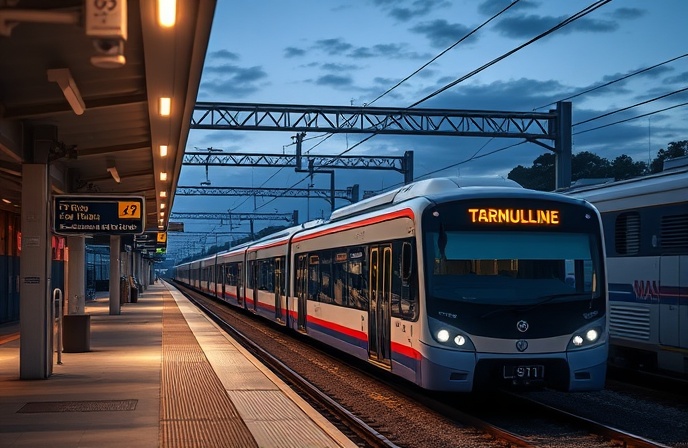
Shorncliffe Line Disruptions: ETCS Testing and Impact on Commuters
Commuters on the Shorncliffe line in South East Queensland face several disruptions over the coming months due to crucial infrastructure upgrades. Beginning July 29th, the line will experience evening closures, followed by full closures in August and September. This strategic operational pause is necessary for the testing and implementation of the European Train Control System (ETCS), a vital signaling upgrade. The closures affect train services between Northgate and Shorncliffe stations, necessitating the use of rail buses. This article details the closures’ schedule, the rationale behind them, and the implications for passengers, providing a detailed overview for industry professionals and affected commuters.
Scheduled Disruptions and Alternatives
The Shorncliffe line will experience significant service alterations to facilitate ETCS implementation. From Tuesday, July 29th to Thursday, July 31st, trains will cease operations between Northgate and Shorncliffe from 7:45 pm until last service each evening. Full closures are scheduled from Monday, August 4th, to Thursday, August 7th, and again from Monday, September 1st, to Thursday, September 4th. During these periods, rail buses will replace trains between Northgate and Shorncliffe stations. Passengers traveling towards the city are advised to utilize rail buses to Northgate station, connecting to train services for their onward journey. Extended weekday closures will also continue throughout 2025 and into 2026. During the closures, Shorncliffe line trains will continue to run between Northgate and Roma Street stations.
The Significance of European Train Control System (ETCS) Implementation
The ETCS is a cutting-edge train protection system designed to enhance safety and improve operational efficiency on railway networks. The Shorncliffe line is serving as a pilot project for the ETCS rollout, being a critical element of the broader South East Queensland rail network modernization. The ETCS implementation includes the Cross River Rail tunnels and sections of the Gold Coast line between Beenleigh and Varsity Lakes stations. The testing and data collection phases during the Shorncliffe line closures are crucial for validating the ETCS’s performance and ensuring a seamless transition across the network. This allows for staff training, which is also an essential element in supporting the implementation.
Operational Procedures During the Closures
To mitigate passenger inconvenience during the disruptions, several operational measures are in place. Rail buses will provide an alternative transportation option between Northgate and Shorncliffe stations. Specifically, express railbus R347 will operate between Northgate and Sandgate stations from first service to 7 pm, and railbus R348 will serve all stations between Shorncliffe and Northgate throughout the closure periods. Passengers are strongly advised to plan their journeys in advance, allowing extra travel time and checking real-time service information through Translink resources for the most up-to-date details.
Long-Term Benefits and Network Advancement
While the short-term closures and service disruptions undoubtedly impact commuters, the implementation of ETCS represents a pivotal step towards a more modern and efficient rail network. The ETCS is anticipated to improve overall network safety and potentially increase line capacity by enabling a more precise and automated train control system. The data collected during the Shorncliffe line testing will inform and refine the ETCS implementation across the broader network. This ongoing investment reflects a long-term commitment to improving the rail network’s efficiency, reliability, and overall passenger experience.
Conclusion
The planned closures on the Shorncliffe line underscore the ongoing efforts to modernize the South East Queensland rail network. These disruptions, although causing temporary inconvenience, are a necessary component of implementing the ETCS, a system with the potential to significantly improve the network’s safety and capacity. The careful planning and implementation of these projects, along with the provision of alternative transportation options, is an indication of the region’s dedication to passenger service. The continuous work required to support the ETCS’s deployment will serve to improve the operational efficiency and reliability of public transport over time, as well as ensuring the training required for safe implementation. This strategic investment in infrastructure modernization will ultimately benefit all users of the rail network.

Railway infrastructure, rolling stock and transport technologies specialist focused on global rail industry developments, high-speed rail systems, signaling technologies and freight transportation. Covering railway investments, public transport modernization, rail operations and international mobility projects across Europe, Asia and North America.
RELATED POSTS

September 6, 2026 5:19 am
Hitachi delivered Taiwan's first N700ST high-speed train from Japan in...

September 5, 2026 4:19 pm
CPK launched formal tender talks with four consortia to design...

September 6, 2026 1:17 am
Hitachi Toshiba Supreme Consortium confirmed the first of 12 N700ST...
September 6, 2026 6:17 am
Hungary ordered a national ban on most freight trains from...
September 5, 2026 6:17 pm
Universal Signalling won a deal to install its U-Cross system...

September 7, 2026 8:16 am
Midea, Gree and TCL shipped air conditioners via China Railway...