
Southeast Mexico Express: Rail Corridor Boosts Shipping in US-Mexico
New rail corridor SMX boosts shipping in southern US. Faster, more efficient, sustainable option for automotive and intermodal.

Southeast Mexico Express Unveiled: New Rail Corridor Boosts Shipping Options in Southern US
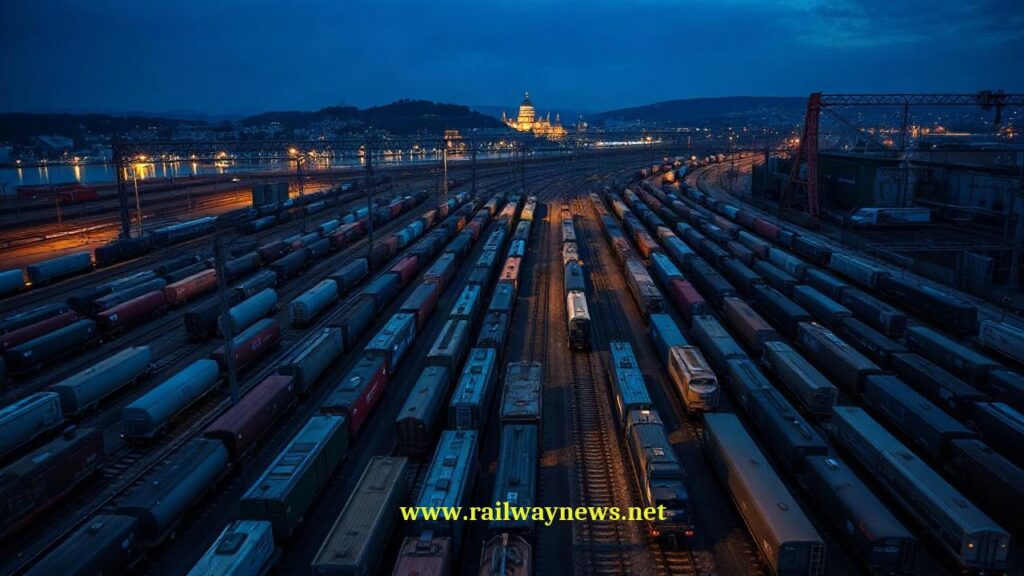
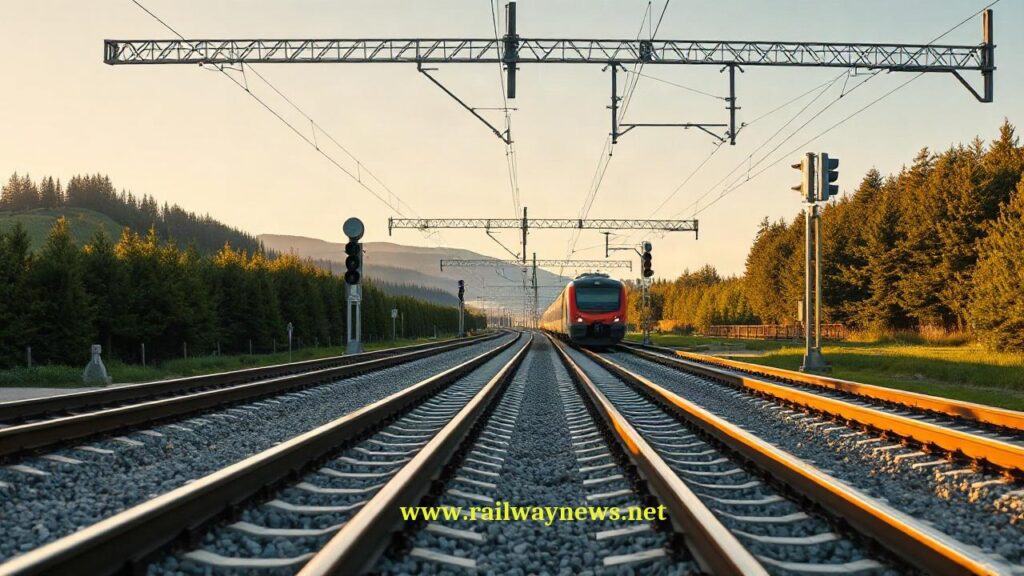
Shippers in the southern United States now have a compelling new option for rail transportation. The Southeast Mexico Express (SMX), a newly launched east-west Class I rail corridor, is providing an expedited shipping alternative to automotive, intermodal, and carload customers. Officially launched on December 1, 2024, the SMX offers a faster, more efficient, and sustainable shipping solution, according to officials from Canadian Pacific Kansas City (CPKC) and CSX. This new service, a collaborative effort between CPKC and CSX, aims to address evolving customer demands by creating seamless, high-reliability shipping options across key markets: Mexico, Texas, and the U.S. Southeast. This article will explore the strategic advantages of the SMX corridor, examining its operational benefits, the collaborative model between the two Class I railroads, and its potential impact on the future of rail transportation in the region.
Faster Transit Times and Increased Capacity: The Core of SMX
The primary benefit of the SMX corridor is improved efficiency and transit times. By leveraging the combined strengths of CPKC and CSX, the SMX is designed to reduce shipping durations across the participating states and Mexico. This efficiency is achieved through optimized routing, improved network capacity, and streamlined operations across the two rail networks. The corridor facilitates increased capacity, enabling shippers to move larger volumes of goods with greater reliability. This is crucial for industries like automotive, which require consistent and timely deliveries of parts and finished vehicles. The improved capacity also helps to alleviate congestion on existing routes, leading to a more stable and predictable supply chain.
Collaboration and Partnership: The CPKC and CSX Advantage
The success of the SMX hinges on the strategic partnership between CPKC and CSX. This collaboration allows each railroad to leverage its existing infrastructure and expertise. CPKC brings its experience in serving the Mexican market and its established rail network, while CSX contributes its extensive reach throughout the U.S. Southeast. This collaborative approach minimizes handoffs and creates a more seamless shipping experience for customers. The two railroads have been working together to integrate their operational systems, ensuring smooth transitions of freight between their respective networks. This partnership model is an example of how Class I railroads can collaborate to enhance service offerings and cater to customer needs in an evolving freight landscape.
Environmental Sustainability: A Focus on Efficiency
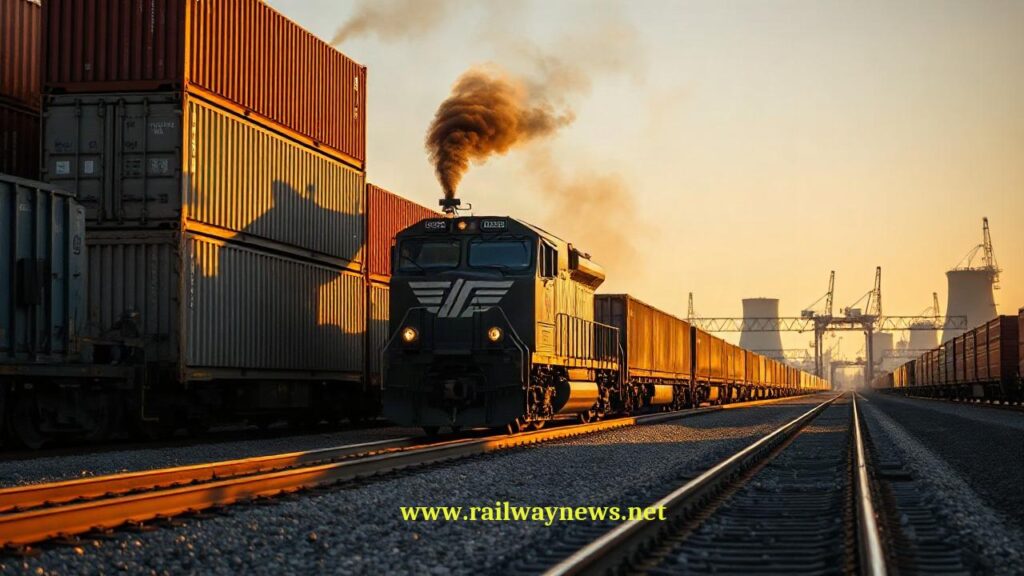
Beyond speed and capacity, the SMX is positioned as an environmentally conscious shipping solution. Rail transport, by nature, is a more sustainable alternative to truck transportation, reducing greenhouse gas emissions per ton-mile. The SMX corridor benefits from CPKC and CSX’s investments in fuel-efficient locomotives and advanced technologies designed to reduce emissions. By increasing rail’s market share of freight movement in the region, the SMX is expected to contribute to a lower carbon footprint for shippers, aligning with the growing emphasis on sustainable logistics practices. Continuous optimization of operations, including train scheduling and route planning, further enhances the environmental advantages of the SMX.
Conclusion
The Southeast Mexico Express represents a significant development in rail transportation for the southern United States and Mexico. This new corridor, forged through a partnership between CPKC and CSX, provides shippers with faster transit times, increased capacity, and a more environmentally sustainable shipping option. The SMX model underscores the value of collaboration in the rail industry, demonstrating how Class I railroads can pool resources and expertise to improve service offerings and meet the demands of a dynamic marketplace. This initiative comes as shippers look for greater efficiencies. By providing an attractive alternative to traditional transportation modes, the SMX has the potential to reshape the supply chain landscape in the region. Looking ahead, the success of the SMX could serve as a blueprint for similar collaborative projects in other parts of North America. Continuous investment in infrastructure, technological advancements, and a focus on customer needs will be key to the sustained growth and success of this new rail corridor.
Company Summary
Canadian Pacific Kansas City (CPKC) is a transcontinental Class I freight railway operating a network that includes Canada, the United States and Mexico. The company is a major player in the transportation of automotive, intermodal, and bulk commodities. CPKC’s operations emphasize efficiency, safety, and customer service, with a focus on leveraging technology to enhance operational performance. CSX Corporation, also a Class I freight railroad, operates across the Eastern United States. Known for its significant presence in intermodal and carload transportation, CSX provides integrated rail and intermodal services to a broad range of customers. The company is dedicated to providing reliable and sustainable freight solutions.

Railway infrastructure, rolling stock and transport technologies specialist focused on global rail industry developments, high-speed rail systems, signaling technologies and freight transportation. Covering railway investments, public transport modernization, rail operations and international mobility projects across Europe, Asia and North America.
RELATED POSTS

September 5, 2026 4:19 pm
CPK launched formal tender talks with four consortia to design...

September 5, 2026 7:14 pm
HS2 Ltd signed renegotiated civils contracts with EKFB and Align...

September 6, 2026 4:12 am
Alstom delivered the first of 100 new G Class trams...
September 6, 2026 6:17 am
Hungary ordered a national ban on most freight trains from...
September 6, 2026 8:17 am
DB InfraGO reopened the Nuremberg-Regensburg line in Bavaria on 31...
September 7, 2026 8:16 am
Midea, Gree and TCL shipped air conditioners via China Railway...