
China’s Rail Freight: Combating Air Pollution
China’s tackling air pollution by dramatically expanding rail freight. Learn how this ambitious plan is revolutionizing sustainable transport!
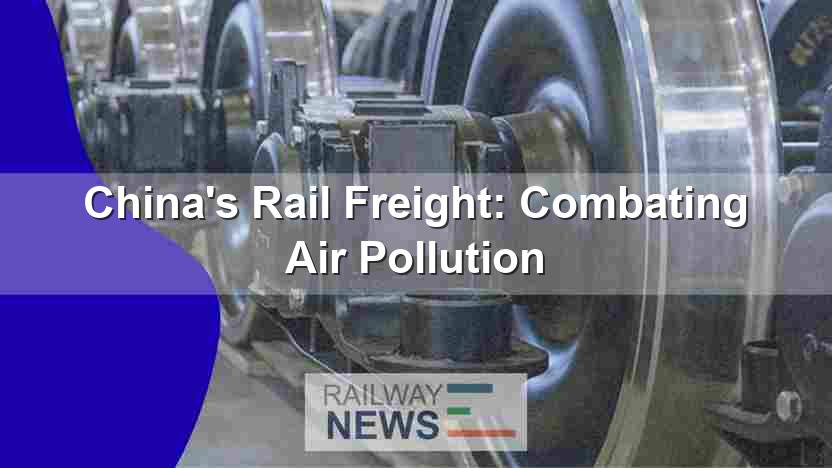
China, grappling with escalating air pollution, is aggressively pursuing a detailed strategy to shift a significant portion of its freight transport from road to rail. This ambitious plan aims to increase rail freight volume by 30% by 2020, a move driven by the stark reality that trucks generate substantially more pollution per unit of cargo than trains. This article will delve into the rationale behind this initiative, examine the challenges China faces in implementing this shift, analyze the economic and environmental implications, and finally, assess the long-term viability and sustainability of this rail-centric approach to combating air pollution.
The severity of China’s air pollution crisis is undeniable, impacting public health and economic productivity. The concentration of vehicles, particularly in densely populated urban areas like Beijing, Tianjin, and Hebei (BTH), contributes significantly to smog formation. While previous government interventions have focused on reducing road freight, particularly in the BTH region, these measures have proven insufficient in significantly altering the dominance of road transport in the overall freight landscape. This underscores the urgency and the scale of the challenge China faces in transitioning to a cleaner, more sustainable transport system.
The Environmental Imperative: Shifting from Road to Rail
The core justification for China’s rail freight expansion rests on the substantial difference in emissions between road and rail transport. Official data reveals that trucks emit approximately thirteen times more pollutants per unit of cargo than trains. This disparity stems from several factors, including the inherent efficiency of rail transport in terms of energy consumption per tonne-kilometer, as well as the generally cleaner fuel sources used by railways compared to the diverse fuel qualities used in road freight.
Overcoming Road Freight Dominance: Policy and Infrastructure
Despite the clear environmental advantages of rail, road freight currently holds a commanding 76.8% share of the market. To successfully shift freight to rail, China needs a multi-pronged approach encompassing both policy and infrastructural improvements. This includes increasing investment in rail infrastructure to enhance capacity and efficiency, expanding the reach of the rail network into currently underserved areas, and implementing stricter regulations on road freight, such as increased fees and heightened monitoring.
Additionally, initiatives to crack down on fraudulent emissions testing and the introduction of stricter fuel standards (similar to Euro VI) are essential steps to mitigate pollution from both road and rail vehicles. These measures, combined with technological advancements in railway systems, are crucial to reducing the environmental footprint of freight transport.
Economic Considerations and Long-Term Sustainability
The transition to a more rail-centric freight system carries significant economic implications. While increased investment in rail infrastructure represents a substantial upfront cost, the long-term benefits include reduced healthcare costs associated with air pollution, increased economic productivity due to improved air quality, and potential savings in fuel costs. The success of this initiative also hinges on addressing the potential challenges of ensuring sufficient railway capacity to meet growing demand, optimizing logistics and intermodal operations and ensuring fair competition between road and rail transport.
Conclusion
China’s ambitious plan to increase rail freight capacity by 30% represents a significant step towards tackling its severe air pollution problem. The plan recognizes the crucial role of transportation in pollution levels and aims to leverage the superior environmental performance of rail transport. However, the successful implementation of this initiative depends on a number of crucial factors, including substantial investment in rail infrastructure, effective policy measures to reduce reliance on road transport, stricter environmental regulations, and the adoption of cleaner technologies across the entire transportation sector. The economic benefits of cleaner air, alongside the environmental advantages, need to be effectively communicated to stakeholders to generate broad support and ensure the long-term sustainability of this crucial initiative. The success of this transition will not only improve air quality in China but could also serve as a global model for sustainable freight transportation strategies in other countries facing similar environmental challenges. The long-term viability of this plan requires continued monitoring, evaluation, and adaptation based on evolving conditions and technological advancements.

Railway infrastructure, rolling stock and transport technologies specialist focused on global rail industry developments, high-speed rail systems, signaling technologies and freight transportation. Covering railway investments, public transport modernization, rail operations and international mobility projects across Europe, Asia and North America.
RELATED POSTS
September 6, 2026 5:19 am
Hitachi delivered Taiwan's first N700ST high-speed train from Japan in...

September 5, 2026 4:19 pm
CPK launched formal tender talks with four consortia to design...
September 6, 2026 6:17 am
Hungary ordered a national ban on most freight trains from...
September 6, 2026 1:17 am
Hitachi Toshiba Supreme Consortium confirmed the first of 12 N700ST...

September 6, 2026 8:17 am
DB InfraGO reopened the Nuremberg-Regensburg line in Bavaria on 31...
September 7, 2026 8:16 am
Midea, Gree and TCL shipped air conditioners via China Railway...