
Northern Hub & Northwest Electrification: Major Rail Upgrades in
Northwest England’s rail network sees major upgrades via the Northern Hub and electrification program, boosting capacity and cutting journey times. This Railway Sector News update highlights improved connectivity and economic benefits.
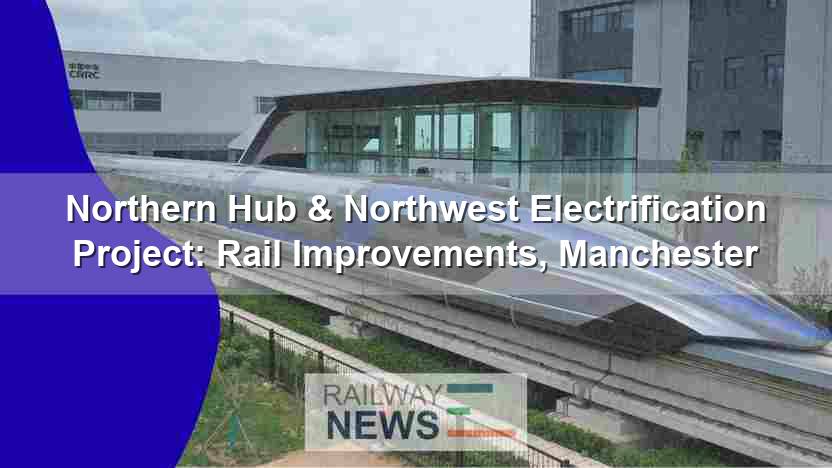
This article explores the transformative Northern Hub and Northwest Electrification Programme, a significant undertaking designed to revolutionize rail travel in Northwest England. The project aims to significantly improve passenger capacity, journey times, and overall network efficiency across a vast region, stimulating economic growth and enhancing the quality of life for millions. The ambitious scope includes extensive electrification works, the construction of new railway lines such as the Ordsall Chord, station upgrades, and track enhancements across major routes. Analysis will focus on the project’s engineering challenges, its economic impact, the key players involved, and its long-term implications for the region’s transportation network. The ultimate goal is to assess the success of the project in meeting its objectives and to identify lessons learned for future large-scale rail infrastructure projects.
Improving Connectivity and Capacity in Manchester
The heart of the Northern Hub project lies in Manchester, a major transportation hub. The construction of the Ordsall Chord (a new railway link) directly connects Manchester Piccadilly, Oxford Road, and Manchester Victoria stations, eliminating a significant bottleneck south of Piccadilly. This crucial addition allows for increased train frequency, facilitating more direct services to destinations across the North and a smoother connection to Manchester Airport. Additionally, the project involved the addition of two new platforms at Manchester Piccadilly, enhancing capacity and enabling an increase in train movements from 12 to 16 per hour in each direction. Simultaneous upgrades at Manchester Victoria station, including a modernized concourse, transformed it into a more efficient and passenger-friendly transport hub. These improvements in Manchester exemplify the project’s commitment to improved connectivity and increased capacity within a major metropolitan area.
Electrification and its Impact on Efficiency and Sustainability
The Northwest Electrification Programme, a crucial component of the overall initiative, focused on electrifying over 350km of railway lines. This large-scale electrification significantly reduces reliance on diesel locomotives, resulting in lower emissions, quieter operation, and increased energy efficiency. The project phased electrification, starting with lines between Manchester and Liverpool, then extending to other key routes. The completion of this electrification program allowed for the introduction of new electric multiple units (EMUs), such as the Class 319 EMUs, providing modern and environmentally friendly services. The transition to electric trains also contributed to reduced journey times on many routes, further enhancing the network’s overall efficiency. This shift to electric traction represents a clear commitment to sustainable and environmentally responsible rail transportation.
Enhanced Intercity Connections and Reduced Journey Times
The Northern Hub and electrification projects significantly enhanced intercity connections, drastically reducing travel times between major cities. For instance, journey times between Manchester and Liverpool were reduced by 10-15 minutes, and services between Manchester and Leeds saw a similar improvement. The introduction of faster and more frequent services extended to other destinations like Sheffield, the East Midlands, Chester, Bradford, Halifax, Hull, Newcastle, and the Northeast. This increased connectivity not only benefited commuters but also stimulated economic activity by reducing travel times for business and tourism. The improved accessibility facilitated by faster and more frequent services promotes regional economic growth by connecting communities more effectively.
Project Delivery and Key Stakeholders
The success of such a complex endeavor relied on collaborative efforts between various stakeholders. The Northern Hub and Electrification Alliance (NHEA) played a vital role. This consortium consisted of Network Rail (the infrastructure manager), Balfour Beatty Rail (responsible for electrification works), Siemens (signaling systems), Amey Sersa (switches and crossings), and Skanska BAM (civil works including the Ordsall Chord). Parsons Brinckerhoff provided crucial programme management and engineering design services. The successful completion of the project showcases the effectiveness of collaboration between public and private entities in delivering complex infrastructure projects.
Conclusion
The Northern Hub and Northwest Electrification Programme represents a significant investment in the rail infrastructure of Northwest England. The project successfully delivered on its ambitious targets, significantly improving passenger capacity, reducing journey times, and enhancing the overall efficiency and sustainability of the rail network. The increase of 3.5 million extra passenger journeys annually and the transportation of an additional 44 million passengers per year demonstrate the profound impact on passenger transport. The more than £4 billion economic benefits to the region highlight the project’s positive influence on economic growth. The program’s success is attributable to the effective collaboration between various stakeholders, the strategic planning, and the commitment to innovative engineering solutions. This large-scale infrastructure project serves as a model for future rail network improvements, demonstrating the transformative potential of investing in efficient and sustainable public transport. The project’s successful completion underlines the importance of large-scale infrastructure development in fostering economic growth and improving the quality of life. The lessons learned from this undertaking will undoubtedly shape the approach to future rail infrastructure projects, emphasizing the crucial role of effective partnerships, meticulous planning, and a commitment to both operational efficiency and environmental sustainability.
| Project Aspect | Details |
|---|---|
| Project Name | Northern Hub and Northwest Electrification Programme |
| Project Cost | £1 Billion (approximately $1.4 Billion USD) – Combined cost of Northern Hub (£600 million) and Northwest Electrification (£400 million) |
| Electrification Length | Over 350 km |
| Key Cities Connected | Manchester, Liverpool, Leeds, Sheffield, Newcastle, and surrounding areas |
| Key Infrastructure Improvements | Ordsall Chord, platform additions at Manchester Piccadilly and other stations, track upgrades, signaling improvements |
| Increased Passenger Journeys (Annual) | 3.5 million extra passenger journeys |
| Estimated Economic Benefits | Over £4 billion |
Company Information:
- Network Rail: The UK’s publicly owned railway infrastructure manager.
- Balfour Beatty Rail: A major infrastructure and construction company.
- Siemens: A global technology company specializing in rail signaling systems.
- Amey Sersa: A provider of rail infrastructure maintenance and renewal services.
- Skanska BAM: A joint venture between two large international construction companies.
- Parsons Brinckerhoff: An engineering and project management consultancy (now part of WSP).
- Knorr-Bremse Rail Services: A supplier of rail braking and other systems.

Transport and railway industry editor covering global rail infrastructure, sustainable mobility, urban transit systems and next-generation railway technologies with a focus on accessible and industry-focused reporting.
RELATED POSTS

September 5, 2026 7:14 pm
HS2 Ltd signed renegotiated civils contracts with EKFB and Align...
September 5, 2026 6:17 pm
Universal Signalling won a deal to install its U-Cross system...
September 5, 2026 5:17 pm
Chiltern Railways completed the Banbury Station ticket office and main...
September 8, 2026 2:17 am
AECOM secured the TfL Bakerloo Line depot and sidings feasibility...
September 7, 2026 6:15 pm
HŽ Infrastruktura opened two bids for a €1.5m 5-year advisory...
September 7, 2026 1:13 am
Ukraine approved a 30% Ukrzaliznytsia freight tariff rise from 1...