
Dubai Metro: The Future of Rail Inspection with AI & Robotics
Dubai Metro uses AI robotics for automated rail inspections, boosting safety and efficiency. The system revolutionizes track maintenance, reducing downtime and costs.
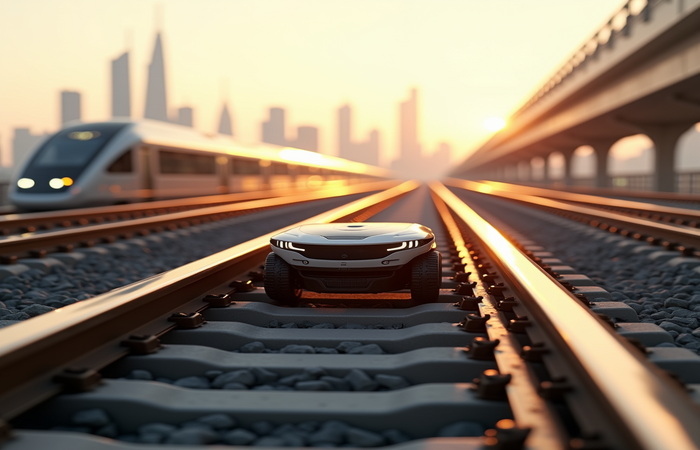
Dubai Metro Revolutionizes Rail Inspection with AI-Powered Robotics
Dubai is solidifying its position as a global leader in smart urban mobility with the introduction of the Automated Rail Infrastructure Inspection System (ARIIS), a groundbreaking initiative poised to transform rail maintenance. The Roads and Transport Authority (RTA), in collaboration with Keolis MHI and Future Maintenance Technologies (FMT), announced the deployment of this advanced Artificial Intelligence (AI)-driven robotic solution. ARIIS, operational now, will be inspecting the Dubai Metro’s tracks and critical infrastructure. The project represents a strategic move to increase efficiency, enhance safety, and bolster the reliability of one of the world’s most advanced public transport networks. This article explores the revolutionary impact of ARIIS, examining its technological advancements and its potential to reshape railway maintenance protocols.
Innovations in Track Maintenance
ARIIS represents a significant advancement in track inspection technology. This sophisticated robotic platform is equipped with state-of-the-art Light Detection and Ranging (LiDAR) sensors, lasers, and 3D cameras. The system operates autonomously, navigating the railway infrastructure and collecting vast amounts of data without disrupting the critical operations of the metro service. This ability to function without halting service is a key advantage, allowing for more frequent and detailed inspections, leading to a proactive maintenance strategy. The system’s advanced sensor suite captures detailed images and measurements, quickly identifying potential issues such as track misalignment, rail wear, or degradation of critical components. The data collected feeds directly into AI algorithms, which analyze the information and produce detailed reports, enabling the implementation of precise maintenance actions.
Safety and Efficiency Gains
The deployment of ARIIS is expected to bring substantial improvements to safety and operational efficiency. Human error is reduced by automating a process that traditionally relies on manual inspections. The system is projected to reduce the need for manual inspections by up to 70%, minimizing the inherent risks associated with personnel performing on-track inspections. Additionally, the new technology significantly accelerates the inspection process. Inspection duration is reduced by approximately 75%, significantly decreasing the downtime of the metro system, and facilitating more frequent inspections without impacting service. This enhanced frequency enables faster identification of developing issues and expedites their remediation. Additionally, the system’s enhanced capabilities are expected to improve the ability to assess infrastructure conditions by 40%, enabling more accurate diagnoses of potential problems.
Optimizing Maintenance Strategies
ARIIS’s advanced capabilities facilitate data-driven, proactive maintenance strategies. By providing detailed information about the condition of infrastructure, the system enables precise and informed decision-making. The AI analyzes real-time data, enabling prompt intervention and facilitating proactive maintenance plans. These plans will potentially extend the lifespan of critical infrastructure components and systems. This proactive approach to maintenance can contribute to reducing lifecycle maintenance costs by up to 25% and minimizing unexpected failures. The deployment of ARIIS also enables optimization of resource management. The AI-driven analytics offer precise, informed maintenance actions, optimizing resource allocation efficiency by 40% and reducing unnecessary interventions, thereby streamlining maintenance efforts.
Smart City Integration and Future Implications
The implementation of ARIIS aligns perfectly with Dubai’s Smart City goals, emphasizing the emirate’s commitment to leveraging cutting-edge technology to enhance urban life. ARIIS’s contributions to sustainable infrastructure development support Dubai’s vision of becoming a global hub for innovation and intelligent mobility. The real-time data and analytical capabilities offered by ARIIS will also facilitate predictive maintenance schedules and improved asset management. The initial success of this project can serve as a blueprint for other transit systems globally. Other urban centers could adapt and deploy similar systems to improve the safety, efficiency, and sustainability of their railway infrastructure. The success of ARIIS will potentially influence the ongoing evolution of railway maintenance protocols, establishing the integration of AI and robotics as essential elements in the industry’s future.
Conclusion
The introduction of ARIIS by Dubai’s RTA marks a significant stride toward optimizing railway maintenance, demonstrating Dubai’s proactive commitment to intelligent mobility and advanced technologies. By automating infrastructure inspections using AI-driven robotics, the metro is enhancing safety by reducing manual inspections and dramatically increasing the efficiency and accuracy of its maintenance operations. The integration of this technology improves infrastructure lifespans and optimizes decision-making by facilitating real-time data analysis. This intelligent approach is anticipated to contribute to the reduction of overall lifecycle costs and enhance resource efficiency. Dubai’s initiative sets a high standard for urban transit systems worldwide, creating a model for other cities aiming to leverage smart technologies for infrastructure management and enhance citizen services. The long-term impacts will likely be felt across the railway industry, with other regions considering incorporating automated solutions and advanced analytics to modernize their maintenance strategies and provide reliable and resilient transport for the future.

Railway infrastructure, rolling stock and transport technologies specialist focused on global rail industry developments, high-speed rail systems, signaling technologies and freight transportation. Covering railway investments, public transport modernization, rail operations and international mobility projects across Europe, Asia and North America.
RELATED POSTS
September 6, 2026 5:19 am
Hitachi delivered Taiwan's first N700ST high-speed train from Japan in...

September 5, 2026 4:19 pm
CPK launched formal tender talks with four consortia to design...
September 6, 2026 1:17 am
Hitachi Toshiba Supreme Consortium confirmed the first of 12 N700ST...
September 6, 2026 6:17 am
Hungary ordered a national ban on most freight trains from...
September 7, 2026 8:16 am
Midea, Gree and TCL shipped air conditioners via China Railway...
September 6, 2026 12:20 pm
Indian Railways ordered a probe after a fire destroyed 2...