
The Future of Rail: 35 Station Facelift & Infrastructure Trends
35 East Anglia stations receive facelift, boosting passenger experience. Repainting project, funded by Railway Heritage Trust, improved aesthetics and durability.
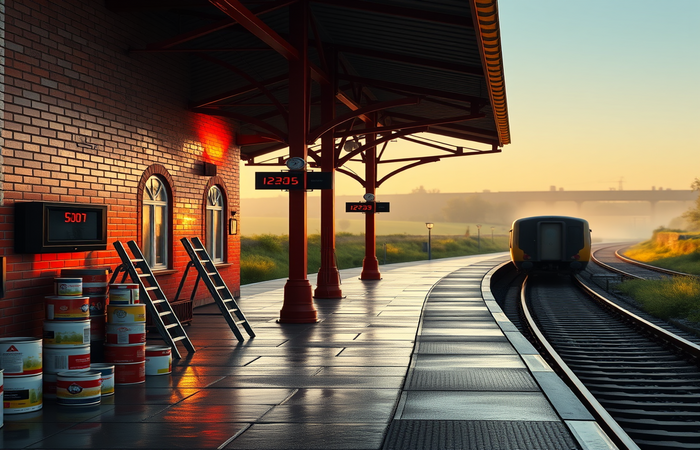
Station Refresh Initiative Sees 35 Stations Receive a Facelift
Across the East of England, a detailed station repainting project has revitalized the visual appeal of numerous railway stations. This initiative, which commenced in October 2024 and concluded in May 2025, saw a significant investment in the aesthetic upkeep of the region’s vital transport hubs. The project involved the application of approximately 4,000 litres of paint across 35 stations, targeting key structural elements to improve passenger experience. This article will delve into the specifics of the project, exploring the scope of the work, the stations involved, and the impact of this investment in improving the station environment. The project highlights an ongoing commitment to maintaining railway infrastructure and ensuring a positive experience for passengers utilizing the East Anglia network.
Scope of Work: A Detailed Overview
The repainting project encompassed a diverse range of tasks across the 35 stations. The focus was primarily on essential elements, including lamp columns, doors, and window frames. The project’s scope also extended to canopy structures at key stations, providing a more welcoming and refreshed appearance for passengers. This targeted approach ensured that the repainting efforts were both visually impactful and focused on improving the overall durability and longevity of the station infrastructure. The project team meticulously assessed the needs of each station, prioritizing areas requiring attention and ensuring a consistent, high-quality finish across all locations.
Stations Involved: A Geographical Breakdown
The repainting initiative touched numerous stations across the network, including high-profile locations like Ely, Colchester Town, Great Yarmouth, and Stansted Mountfitchet. These stations, known for their passenger volume, benefited from the refurbishment of their external components, enhancing passenger perception. In addition, eight stations received financial backing from The Railway Heritage Trust, totaling £69,000. These stations, Attleborough, Colchester Town, Felixstowe, Lowestoft, March, Roydon, Thetford, and Wivenhoe, saw targeted improvements that not only enhanced their appearance but also contributed to the preservation of their historical character.
Funding and Collaboration: The Role of Partnerships
The project’s success can be attributed to a combination of internal funding and strategic partnerships. The Railway Heritage Trust’s contribution of £69,000 underscores the importance of collaboration in maintaining railway infrastructure, and the restoration of a heritage network of stations. This financial injection significantly enhanced the project’s scope and allowed for more detailed improvements at key stations. This funding model exemplifies how stakeholders can work together to safeguard the railway heritage. Moreover, the use of high-quality, durable paints ensures the repainted elements will maintain their appearance for years to come, reducing the frequency of future maintenance cycles and ensuring efficiency.
Conclusion
The recently completed station repainting project marks a significant investment in the East of England’s railway infrastructure. The revitalization of 35 stations showcases a commitment to maintaining high standards of passenger experience and operational efficiency. By targeting key structural elements like lamp columns, doors, and canopies, the project has visibly enhanced the aesthetic appeal of numerous stations, reflecting positively on the overall travel experience. The collaboration with The Railway Heritage Trust highlights the importance of partnerships in the preservation and enhancement of railway assets.
The initiative’s success indicates a proactive approach to infrastructure maintenance. This has positive implications for passenger satisfaction. Further investment in aesthetic improvements at rail stations across the country will be necessary. The repainting initiative also sets a precedent for other rail networks to follow. By prioritizing visual appeal, the railways can contribute to a more welcoming and functional travel environment, ultimately bolstering public confidence and satisfaction. The commitment to routine upkeep is a testament to the value of investing in the future of railway infrastructure.

Railway infrastructure, rolling stock and transport technologies specialist focused on global rail industry developments, high-speed rail systems, signaling technologies and freight transportation. Covering railway investments, public transport modernization, rail operations and international mobility projects across Europe, Asia and North America.
RELATED POSTS
September 6, 2026 5:19 am
Hitachi delivered Taiwan's first N700ST high-speed train from Japan in...

September 5, 2026 4:19 pm
CPK launched formal tender talks with four consortia to design...
September 5, 2026 7:14 pm
HS2 Ltd signed renegotiated civils contracts with EKFB and Align...

September 6, 2026 4:12 am
Alstom delivered the first of 100 new G Class trams...
September 6, 2026 1:17 am
Hitachi Toshiba Supreme Consortium confirmed the first of 12 N700ST...
September 6, 2026 6:17 am
Hungary ordered a national ban on most freight trains from...