
Railway Tech: Resilience & Innovation for Holiday Season
This holiday season, let’s reflect on railway technology’s resilience. Discover how innovation and a skilled workforce will shape the future of rail!
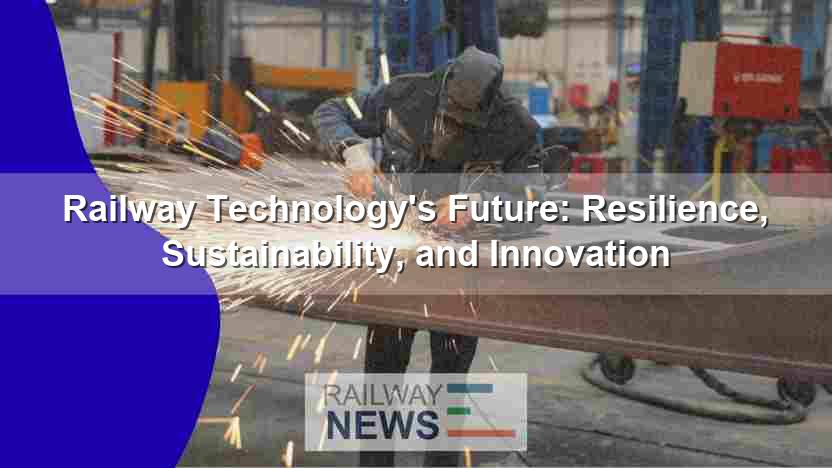
The global railway industry, a vital artery of modern commerce and transportation, faces constant evolution. This article explores the multifaceted challenges and opportunities shaping the future of railway technology, examining key aspects that influence its trajectory. We will explore the impact of recent global events, the imperative for sustainable practices, the ongoing digital transformation, and finally, the crucial role of skilled workforce development. While the holiday season provides a moment for reflection, the need for innovation and adaptation within the railway sector remains a constant. The coming years will demand strategic planning and investment to ensure the industry’s continued success and its ability to meet the increasing demands placed upon it by a growing global population and evolving technological landscape. This examination will consider both the immediate challenges and the long-term strategic considerations that will define the future of rail.
The Impact of Global Events
Recent years have witnessed unprecedented global disruptions, significantly the COVID-19 pandemic. This event significantly impacted railway operations worldwide, disrupting supply chains, reducing passenger numbers, and forcing the industry to rapidly adapt. The pandemic highlighted the vulnerability of complex, interconnected systems and underscored the importance of robust contingency planning. Additionally, geopolitical instability and economic fluctuations continue to present challenges to investment and long-term planning within the railway sector. These external factors must be incorporated into strategic decision-making processes to ensure resilience and stability.
Sustainability and Environmental Concerns
The railway industry is under increasing pressure to reduce its environmental footprint. The transition to sustainable practices is not merely an ethical imperative but a crucial factor for long-term viability. This requires a multifaceted approach, including the adoption of cleaner energy sources (such as electrification and hydrogen fuel cells), the optimization of energy consumption through advanced train control systems (e.g., Automatic Train Control (ATC) and Communications-Based Train Control (CBTC)), and the implementation of life-cycle assessments to minimize the environmental impact of railway infrastructure and rolling stock. Additionally, sustainable procurement practices are essential to ensure that materials and components used throughout the railway system meet stringent environmental standards.
Digital Transformation and Technological Advancements
Digital technologies are revolutionizing the railway industry, enabling improvements in efficiency, safety, and passenger experience. The implementation of sophisticated data analytics allows for predictive maintenance, optimized scheduling, and real-time performance monitoring. Advanced signaling systems, such as ETCS (European Train Control System), enhance safety and capacity. Additionally, the integration of Internet of Things (IoT) sensors provides real-time data on track conditions, train performance, and other critical parameters, facilitating proactive maintenance and preventing potential disruptions. This digital transformation demands significant investments in infrastructure and skilled personnel.
The Importance of a Skilled Workforce
The successful implementation and maintenance of advanced railway technologies require a highly skilled workforce. This necessitates ongoing investment in training and education programs to ensure that railway professionals possess the necessary expertise in areas such as digital systems, data analytics, and sustainable engineering practices. Attracting and retaining talented individuals is crucial for the industry’s long-term success. Collaboration between educational institutions, industry stakeholders, and government agencies is vital to develop effective workforce development strategies that address the evolving needs of the railway sector.
Conclusion
The railway industry stands at a pivotal moment, navigating a complex interplay of global challenges and exciting technological advancements. Addressing the impact of global events, prioritizing sustainable practices, embracing digital transformation, and investing in a skilled workforce are not just individual initiatives but interconnected components of a holistic strategy for future success. The lessons learned from recent disruptions, coupled with a proactive approach to technological innovation and workforce development, will determine the industry’s ability to thrive in the years to come. The path forward requires collaborative efforts among governments, industry leaders, and research institutions to foster a resilient, sustainable, and technologically advanced railway system capable of meeting the transportation needs of a growing global population. The continued focus on safety, efficiency, and sustainability, underpinned by a well-trained workforce, is paramount for securing a prosperous future for the railway industry. The holiday season provides a valuable opportunity for reflection, planning and a renewed commitment to building a future where rail plays a vital and sustainable role in global transportation.

Railway infrastructure, rolling stock and transport technologies specialist focused on global rail industry developments, high-speed rail systems, signaling technologies and freight transportation. Covering railway investments, public transport modernization, rail operations and international mobility projects across Europe, Asia and North America.
RELATED POSTS
September 6, 2026 5:19 am
Hitachi delivered Taiwan's first N700ST high-speed train from Japan in...

September 5, 2026 4:19 pm
CPK launched formal tender talks with four consortia to design...

September 5, 2026 7:14 pm
HS2 Ltd signed renegotiated civils contracts with EKFB and Align...

September 6, 2026 4:12 am
Alstom delivered the first of 100 new G Class trams...
September 6, 2026 1:17 am
Hitachi Toshiba Supreme Consortium confirmed the first of 12 N700ST...
September 6, 2026 6:17 am
Hungary ordered a national ban on most freight trains from...