
Sunbury Line: Rail’s Future? Metro’s Sustainable Transport Guide
Metro Trains launches Sunbury Line biodiversity project, aiming to revitalize native grasslands and enhance habitat connectivity.
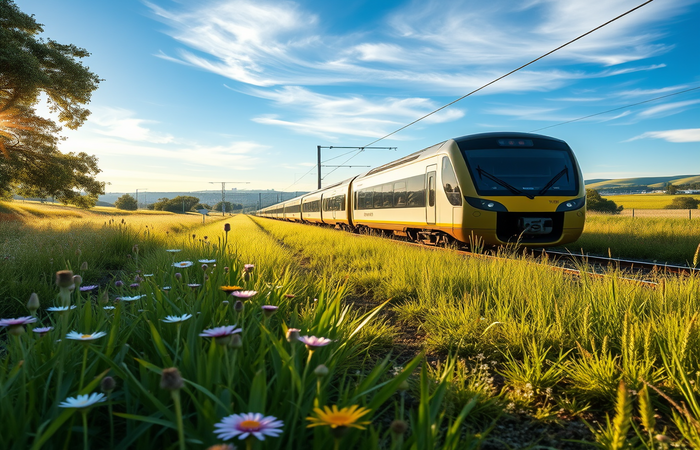
Metro Trains Undertakes Ambitious Biodiversity Project on Sunbury Line
In a significant move for environmental stewardship within the rail industry, Metro Trains has announced the Sunbury Line Biosite Connectivity Project. This initiative, spearheaded by Metro Trains Biodiversity Manager Ben Roberts, aims to revitalize native grasslands along the Sunbury rail corridor, located in Melbourne, Australia. The project, which commenced recently, focuses on enhancing existing biodiversity programs by improving habitat connectivity for native species. Why this initiative? To counteract the degradation of native ecosystems alongside the rail line and improve biodiversity. How? Through industry-leading techniques and collaboration with the University of Melbourne. This article will delve into the project’s core objectives, innovative methodologies, and potential implications for the rail industry’s approach to environmental responsibility.
Enhancing Habitat Connectivity: The Project’s Core Focus
The Sunbury Line Biosite Connectivity Project directly addresses the fragmentation of habitats along the rail corridor. Historically, railway lines have presented barriers to the movement of wildlife, leading to isolated populations and decreased genetic diversity. The project’s primary goal is to establish corridors that allow for the safe passage of native species, fostering connectivity between fragmented grassland patches. This is achieved through strategic planting of native vegetation, targeted weed control, and the creation of wildlife-friendly infrastructure. By enhancing habitat connectivity, Metro Trains hopes to create healthier, more resilient ecosystems along the rail line, benefiting a range of native flora and fauna. The project prioritizes connecting existing fragmented habitats to promote the flow of genetic material and resilience of species to climate change and other environmental stressors.
Collaborative Innovation: Leveraging University Expertise
A key aspect of the project is the collaboration with the University of Melbourne. This partnership allows Metro Trains to implement industry-leading techniques for native grassland restoration. The university’s expertise in ecological restoration, plant identification, and species reintroduction has been crucial in shaping the project’s approach. This partnership, for example, has guided the selection of appropriate plant species, tailored to the specific microclimates along the rail corridor, ensuring their survival and ability to thrive. Additionally, the research partnership is actively monitoring the project’s effectiveness in terms of species population growth and ecosystem health, to measure its environmental impact.
Reintroducing Lost Species: A Step Towards Ecosystem Restoration
The project extends beyond simply restoring existing grasslands; it aims to reintroduce species that have been lost or become scarce along the rail corridor. This ambitious element of the project reflects a commitment to a detailed restoration of the native ecosystem. The reintroduction process involves careful planning, including identifying suitable species, assessing habitat suitability, and establishing a monitoring program. The selection of species prioritizes those that are critical to the ecological balance and that enhance the biodiversity of the corridor. Ben Roberts’ statement highlights the project’s scope, aiming to restore both threatened and more common species, to enrich the biodiversity of the Sunbury Line.
Conclusion
The Sunbury Line Biosite Connectivity Project represents a significant step forward in integrating environmental sustainability into railway operations. By focusing on habitat connectivity, leveraging expert collaborations, and reintroducing lost species, Metro Trains is demonstrating a proactive approach to ecological restoration. The project has implications for the industry by providing a model for other railway operators to follow, particularly in areas with similar biodiversity concerns. The collaborative approach, and focus on monitoring outcomes, provide a framework for successful and sustainable biodiversity management within the rail infrastructure footprint. This is important to consider, because while rail has a lighter environmental footprint than other transportation options, the infrastructure often has a negative impact. Looking ahead, the success of this project could lead to similar initiatives across other Metro Trains lines and potentially inspire wider industry adoption of these practices. The long-term success will be monitored via metrics of plant population health, biodiversity, and native species health to ensure its value is maintained and can be replicated.
Company Summary
Metro Trains Melbourne, a joint venture between MTR Corporation (Hong Kong), John Holland Group, and CPB Contractors, operates the metropolitan railway network in Melbourne, Australia. As a critical component of Melbourne’s public transport system, Metro Trains is responsible for the operation, maintenance, and enhancement of the rail network, including all infrastructure (tracks, signals, and stations) and rolling stock. Metro Trains is committed to improving the sustainability of its operations. Its focus includes initiatives like the Sunbury Line Biosite Connectivity Project, which demonstrates its commitment to environmental responsibility alongside its core mission of providing safe, reliable, and efficient passenger rail services.

Railway infrastructure, rolling stock and transport technologies specialist focused on global rail industry developments, high-speed rail systems, signaling technologies and freight transportation. Covering railway investments, public transport modernization, rail operations and international mobility projects across Europe, Asia and North America.
RELATED POSTS

October 1, 2026 7:09 am
United States regulators confirmed a September 30 deadline for the...

October 8, 2026 1:15 pm
Alstom secured a €1bn contract to build 13 automated trains,...

October 4, 2026 5:14 pm
Alstom secured a CA$4.7 billion order from VIA Rail Canada...

October 1, 2026 12:13 am
Illinois approved $1.5 billion annually for the Northern Illinois Transit...

October 6, 2026 2:14 am
Union Pacific launched export rail shipments with Ferromex to deliver...

October 1, 2026 6:10 am
Amtrak approved a System Expansion Committee on July 30 to...