
Hydrogen Trains: Alstom & Eversholt’s UK Rail Revolution
Revolutionizing UK rail with hydrogen! Alstom and Eversholt Rail’s Breeze project converts Class 321s into HMUs, paving the way for a greener future. Discover how!
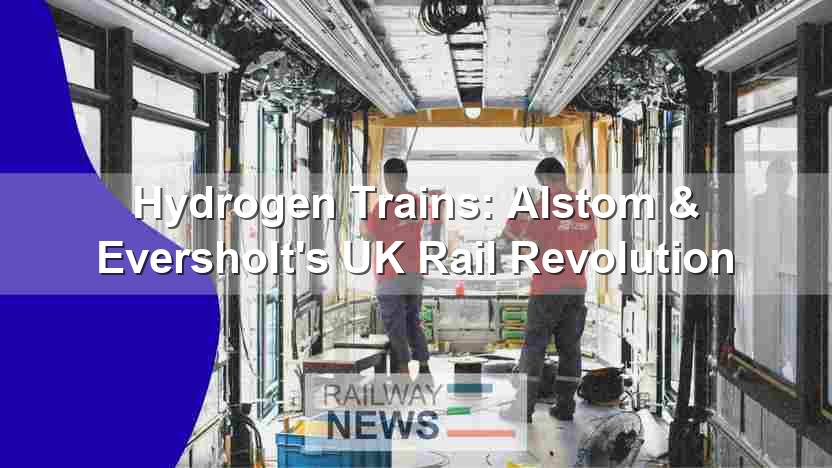
This article explores the collaborative effort between Alstom and Eversholt Rail to introduce hydrogen-powered trains to the United Kingdom’s railway system. The project, codenamed “Breeze,” represents a significant step towards decarbonizing the UK’s rail network and achieving the government’s ambitious goal of eliminating diesel rolling stock by 2040. The initiative involves the innovative repurposing of existing Class 321 Electric Multiple Units (EMUs) into Hydrogen Multiple Units (HMUs), a process that showcases the potential for cost-effective and rapid deployment of clean energy solutions within existing rail infrastructure. We will explore the technical aspects of the conversion process, the anticipated benefits of hydrogen train technology, the challenges involved in its implementation, and the broader implications for the future of sustainable rail transport in the UK. The analysis will also consider the project’s alignment with broader national decarbonization strategies and its potential impact on regional connectivity.
Retrofitting Existing Rolling Stock: The Class 321 Conversion
The core of the Breeze project lies in the conversion of existing Class 321 EMUs into HMUs. This approach offers significant advantages over building new trains from scratch. It reduces lead times, minimizes capital expenditure, and leverages existing infrastructure and maintenance expertise. Alstom, leveraging its experience with Coradia iLint hydrogen trains already operational in Germany, will undertake the conversion at its Widnes facility. This conversion process necessitates the careful integration of hydrogen tanks, fuel cells, and related power management systems within the existing train structure while adhering to strict safety and operational standards. The engineering challenges involve managing the weight and spatial constraints of the new hydrogen components, ensuring seamless integration with the existing electrical and mechanical systems, and guaranteeing passenger safety and comfort.
Hydrogen Fuel Cell Technology: Clean Energy for Rail
The heart of the Breeze train is its hydrogen fuel cell system. This technology allows for the conversion of hydrogen fuel into electricity, generating power for traction motors while producing only water vapor as a byproduct. This clean energy source addresses the significant environmental concerns associated with diesel trains, eliminating harmful emissions of greenhouse gasses and particulate matter. The implementation of hydrogen fuel cell technology in the UK rail network presents an opportunity to reduce carbon emissions in areas where electrification is not feasible or cost-effective, particularly on less densely trafficked lines serving rural communities. The operational efficiency and reliability of these systems are critical considerations and require robust testing and optimization to ensure seamless daily operation.
Infrastructure Development: The Fueling Network
The successful deployment of hydrogen trains necessitates the parallel development of a robust hydrogen refueling infrastructure. This involves establishing a network of refueling stations strategically located across the railway network to ensure sufficient fuel supply for the Breeze fleet. This aspect presents a logistical and economic challenge, requiring collaboration between rail operators, hydrogen producers, and government agencies to plan and implement the necessary infrastructure. The efficiency and cost-effectiveness of hydrogen production and transportation are critical factors to be considered in the overall feasibility of the project. Further, safety regulations and protocols for handling hydrogen fuel will need to be rigorously implemented and monitored.
Conclusion: A Sustainable Future for UK Rail
The Alstom and Eversholt Rail Breeze project represents a significant advancement in sustainable rail transport in the UK. The conversion of existing Class 321 trains into hydrogen-powered HMUs provides a cost-effective and timely solution for decarbonizing the rail network, particularly on lines unsuitable for electrification. The project’s success hinges on several critical factors. The successful and efficient integration of hydrogen fuel cell technology within existing rolling stock is crucial. Equally important is the development of a reliable and accessible hydrogen refueling infrastructure. Overcoming these challenges necessitates a collaborative effort between industry stakeholders, government agencies, and regulatory bodies. Successful implementation of the Breeze project will pave the way for wider adoption of hydrogen technology in the UK rail sector and could serve as a blueprint for similar initiatives globally. The initiative aligns with the broader UK government strategy of achieving net-zero carbon emissions by 2050, fostering innovation in clean energy technologies and promoting sustainable transportation solutions. The long-term success of the program will be evaluated based on the reliability, performance, and cost-effectiveness of the hydrogen train operation, as well as its contribution to achieving national decarbonization targets and improved regional accessibility.

Railway infrastructure, rolling stock and transport technologies specialist focused on global rail industry developments, high-speed rail systems, signaling technologies and freight transportation. Covering railway investments, public transport modernization, rail operations and international mobility projects across Europe, Asia and North America.
RELATED POSTS

October 8, 2026 1:15 pm
Alstom secured a €1bn contract to build 13 automated trains,...

October 1, 2026 7:09 am
United States regulators confirmed a September 30 deadline for the...

October 8, 2026 12:18 pm
Siemens Mobility signed an agreement with VinSpeed to supply 350...

October 4, 2026 5:14 pm
Alstom secured a CA$4.7 billion order from VIA Rail Canada...

October 5, 2026 6:12 pm
AECOM and Jacobs secured a contract in September 2026 to...

October 1, 2026 12:13 am
Illinois approved $1.5 billion annually for the Northern Illinois Transit...