
Wabtec-GE Merger: Rail Industry Revolution
The Wabtec-GE merger created a rail industry giant! Discover how this $11 billion deal reshaped global rail, impacting competition and innovation.
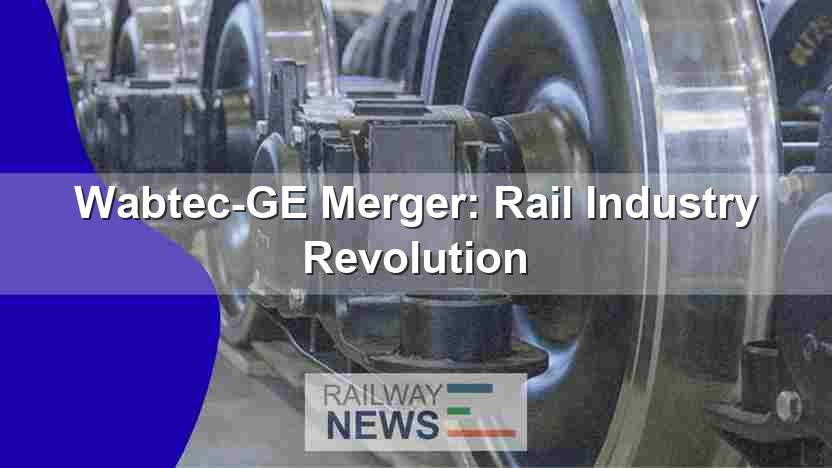
This article examines the significant merger between Wabtec Corporation and GE Transportation, a $11 billion deal that reshaped the global railway industry landscape. The United States Department of Justice (DOJ) concluded its antitrust review of this transaction, paving the way for its completion. This analysis explores the motivations behind the merger, its strategic implications for the rail sector, the resulting competitive dynamics, and the long-term effects on innovation and market consolidation. We will explore the individual strengths of both Wabtec and GE Transportation, how their combined capabilities create synergies, and the potential impact on customers, employees, and the broader economic landscape. The DOJ’s approval underscores the complexities of regulatory scrutiny in such large-scale corporate mergers within the heavily regulated rail industry. The merger’s success will depend on effective integration of disparate operations and technologies, successful navigation of the complexities of global markets, and a sustained commitment to innovation.
Strategic Rationale for the Merger
The merger between Wabtec and GE Transportation was driven by several strategic factors. Wabtec, a leading provider of freight, transit, and electronics solutions, sought to expand its global reach and product portfolio. GE Transportation, a significant player in locomotive manufacturing, digital technologies, and services for various industries (including rail, mining, and marine), offered Wabtec immediate access to a broader customer base and cutting-edge technologies. The combined entity would benefit from economies of scale in manufacturing, procurement, and research & development (R&D), leading to increased efficiency and potentially lower costs. GE, facing portfolio restructuring, recognized the strategic value of divesting GE Transportation to a well-positioned buyer such as Wabtec.
Integration Challenges and Synergies
Integrating two large organizations with distinct corporate cultures and operational processes presents considerable challenges. The success of the merger hinges on effective leadership, clear communication, and a well-defined integration strategy. Key areas of focus would include aligning technology platforms, streamlining supply chains, and harmonizing human resources practices. However, significant synergies are anticipated. The combined entity would possess a more detailed suite of products and services, allowing it to offer end-to-end solutions to customers. Moreover, the integration of GE Transportation’s advanced digital technologies with Wabtec’s existing capabilities could lead to significant improvements in operational efficiency and asset management for rail operators worldwide.
Competitive Landscape and Market Impact
The merger significantly alters the competitive landscape in the railway equipment and services market. The combined entity creates a new industry giant with a substantial market share, potentially leading to increased competition for smaller players. The merger’s impact on pricing, innovation, and the availability of diverse suppliers requires close monitoring. Regulatory authorities needed to assess the potential for reduced competition and anti-competitive behavior. While the DOJ’s approval suggests that the deal is not deemed anti-competitive, ongoing vigilance is crucial to prevent the abuse of market dominance.
Innovation and Technological Advancements
The merger is expected to foster innovation in the railway industry. By combining the technological strengths of both companies, the merged entity is better positioned to develop and deploy advanced technologies such as predictive maintenance, autonomous train operations, and enhanced digital solutions for rail infrastructure management. This enhanced technological capability can improve rail safety, operational efficiency, and overall sustainability. The integration of data analytics and artificial intelligence (AI) across the merged entity’s operations could lead to further efficiencies and optimization of processes.
Conclusions
The completion of the Wabtec-GE Transportation merger, following the DOJ’s review, marks a transformative event in the global railway industry. This $11 billion deal has created a larger, more diversified, and technologically advanced company with a significantly expanded global footprint. While integrating two large entities presents challenges, the potential synergies and opportunities for innovation are substantial. The merger’s impact on the competitive landscape and the availability of diverse suppliers requires ongoing monitoring. The success of the merger will depend on several factors, including the effectiveness of the integration process, the ability to manage potential conflicts of interest and ensure fair competition, and a continued commitment to innovation. The creation of this rail industry giant has the potential to drive significant technological advancements, improve operational efficiency, enhance safety, and ultimately revolutionize how goods and people are transported across the globe. The long-term consequences of this merger will be closely watched by industry analysts, regulators, and rail operators alike. The successful integration of Wabtec and GE Transportation will not only shape the future of the rail industry, but also serve as a case study in large-scale corporate mergers and their impact on global competition.

Railway infrastructure, rolling stock and transport technologies specialist focused on global rail industry developments, high-speed rail systems, signaling technologies and freight transportation. Covering railway investments, public transport modernization, rail operations and international mobility projects across Europe, Asia and North America.
RELATED POSTS
September 6, 2026 5:19 am
Hitachi delivered Taiwan's first N700ST high-speed train from Japan in...

September 5, 2026 4:19 pm
CPK launched formal tender talks with four consortia to design...

September 5, 2026 7:14 pm
HS2 Ltd signed renegotiated civils contracts with EKFB and Align...

September 6, 2026 4:12 am
Alstom delivered the first of 100 new G Class trams...
September 6, 2026 1:17 am
Hitachi Toshiba Supreme Consortium confirmed the first of 12 N700ST...
September 6, 2026 6:17 am
Hungary ordered a national ban on most freight trains from...