
Saudi Railway’s Tech Leap: Wireless Track Monitoring
Saudi Railway’s new Perpetuum track monitoring system uses wireless sensors for predictive maintenance, slashing costs and boosting safety on the Riyadh-Qurrayat line. Discover how!
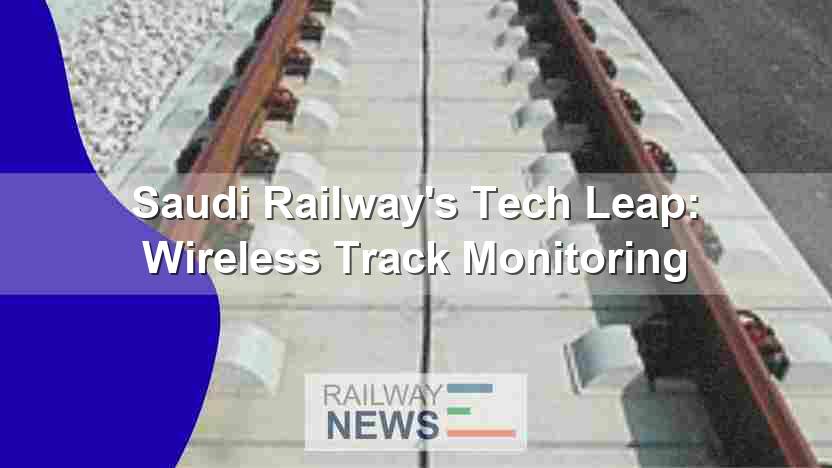
This article explores the significant contract awarded to Perpetuum by the Saudi Railway Company (SAR) for the implementation of a cutting-edge track monitoring system along the 1250km Riyadh-Qurrayat rail line. The agreement marks a pivotal moment, signifying a shift towards predictive maintenance strategies within the Saudi Arabian railway network and highlighting the growing global importance of remote condition monitoring in optimizing railway operations. The extreme environmental conditions in Saudi Arabia, characterized by harsh desert temperatures exceeding 55°C, present unique challenges to infrastructure maintenance. This project showcases the technological advancements enabling efficient and effective monitoring even in such demanding environments, demonstrating the potential for cost savings and enhanced operational safety. The deployment of wireless, self-powered sensors will provide real-time data, allowing for proactive maintenance, reducing downtime, and enhancing the overall reliability of the railway system. This analysis explores the technological aspects of the system, its implications for the Saudi railway, and the broader significance for the global rail industry.
Wireless Sensor Technology and Data Acquisition
Perpetuum’s system utilizes a self-powered, wireless sensing technology to gather real-time data on track conditions. This eliminates the need for wired connections, simplifying installation and reducing maintenance requirements, particularly beneficial in the vast and challenging terrain of the Saudi Arabian desert. The sensors use vibration analysis to detect subtle changes indicative of track degradation, such as rail wear, ballast issues, and potential failures. The data is transmitted wirelessly to a central monitoring system, allowing for immediate assessment of track health and enabling timely interventions.
Condition-Based Maintenance (CBM) and Operational Efficiency
The implementation of this system allows SAR to transition from traditional, time-based maintenance schedules to a more efficient condition-based maintenance (CBM) strategy. Instead of performing routine inspections and repairs at predetermined intervals, SAR can now prioritize maintenance based on actual track conditions. This proactive approach significantly minimizes unnecessary work, optimizes resource allocation, and reduces operational costs. The real-time data provided by Perpetuum’s system also enhances operational safety by enabling early detection of potential hazards, reducing the risk of derailments and other incidents.
Addressing the Challenges of Extreme Environments
The Saudi Arabian desert presents an extreme operational environment for railway infrastructure. High temperatures, sandstorms, and other environmental factors can significantly impact track condition and accelerate deterioration. Perpetuum’s robust and self-powered system is designed to withstand these harsh conditions, ensuring reliable data acquisition even in challenging circumstances. The system’s resilience to extreme temperatures and its wireless capabilities reduce the maintenance burden, enhancing the overall effectiveness of the monitoring system.
Global Implications and Industry Trends
Perpetuum’s contract with SAR represents a significant step in the adoption of advanced monitoring technologies within the global rail industry. The success of this project will undoubtedly encourage other railway operators worldwide to adopt similar solutions, particularly those operating in challenging environments. The increasing demand for enhanced operational efficiency, reduced maintenance costs, and improved safety is driving the adoption of remote condition monitoring systems across the rail sector. The focus on data-driven decision-making and predictive maintenance is transforming railway operations globally, and this project serves as a compelling example of this trend.
Conclusions
The contract between Perpetuum and the Saudi Railway Company marks a substantial advancement in railway infrastructure management. The deployment of Perpetuum’s wireless, self-powered track monitoring system represents a significant shift towards predictive maintenance, enabling SAR to optimize maintenance schedules, reduce operational costs, and enhance safety. The system’s ability to function reliably in the extreme environmental conditions of the Saudi Arabian desert showcases the robustness and adaptability of modern monitoring technologies. The real-time data acquisition capabilities of the system facilitate a proactive approach to maintenance, allowing for early detection and remediation of potential problems before they escalate into major disruptions. This successful implementation not only benefits SAR but also sets a precedent for other railway operators globally, underscoring the growing importance of adopting advanced technologies for efficient and safe railway operation. The project highlights the broader trend within the railway industry of moving towards data-driven decision-making and predictive maintenance strategies, optimizing resource allocation and enhancing the overall resilience and reliability of rail networks worldwide. The success of this initiative signals a pivotal moment in the ongoing evolution of railway maintenance practices, paving the way for more efficient, safer, and cost-effective operations in the years to come. The adoption of such advanced technologies is crucial for addressing the challenges presented by aging infrastructure and ever-increasing demands on rail networks globally, ensuring the long-term sustainability and efficiency of the rail transportation sector.

Railway infrastructure, rolling stock and transport technologies specialist focused on global rail industry developments, high-speed rail systems, signaling technologies and freight transportation. Covering railway investments, public transport modernization, rail operations and international mobility projects across Europe, Asia and North America.
RELATED POSTS

October 8, 2026 1:15 pm
Alstom secured a €1bn contract to build 13 automated trains,...

October 1, 2026 7:09 am
United States regulators confirmed a September 30 deadline for the...

October 8, 2026 12:18 pm
Siemens Mobility signed an agreement with VinSpeed to supply 350...

October 4, 2026 5:14 pm
Alstom secured a CA$4.7 billion order from VIA Rail Canada...

October 5, 2026 6:12 pm
AECOM and Jacobs secured a contract in September 2026 to...

October 1, 2026 12:13 am
Illinois approved $1.5 billion annually for the Northern Illinois Transit...