
San Pedro Bay Ports: Rail Renaissance, New Era for Operations
The Long Beach and Los Angeles ports are launching a competitive process to solicit proposals from short-line operators to provide crucial railroad services within their San Pedro Bay complex, signaling a potential shift in how goods are transported through these vital gateways.
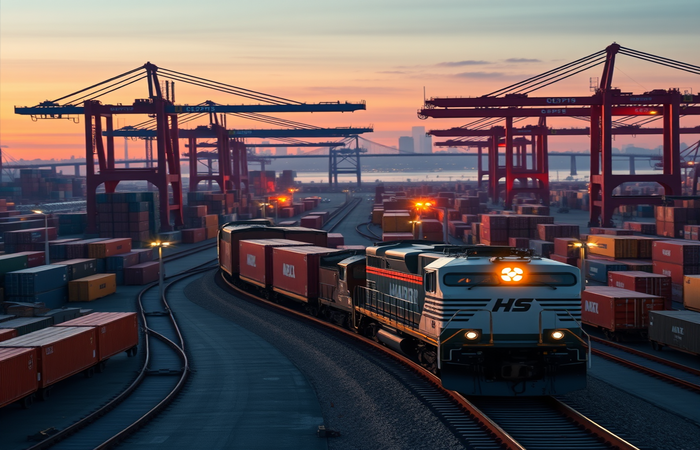
Railroad Renaissance in San Pedro Bay: A New Era for Short-Line Operations
The ports of Long Beach and Los Angeles, two of the busiest container ports in North America, are embarking on a significant endeavor to reshape their short-line railroad operations. This initiative, announced on Tuesday, invites proposals from prospective short-line operators to provide crucial railroad operating and maintenance services within the San Pedro Bay ports complex. This move signals a potential shift in how goods are transported in and out of these vital gateways. The current contract, held by Pacific Harbor Line Inc. (PHL), has been in place since 1998, highlighting the long-term importance of this upcoming bid. The decision to solicit new proposals underlines the ports’ commitment to optimizing efficiency, safety, and overall performance in their intermodal rail networks. The deadline for proposals is set for July 28th, marking the beginning of a competitive process that could redefine the landscape of rail services within these strategic port complexes. This article will delve into the intricacies of this announcement, exploring the current operational setup, the potential impacts of the new proposals, and the broader implications for the supply chain.
The Interconnected Rail Network
The ports of Long Beach and Los Angeles, while operating under the jurisdiction of their respective city harbor departments, are inextricably linked by their shared reliance on a unified short-line rail network. This shared infrastructure is paramount to the efficient handling of cargo, particularly for intermodal transportation (the use of multiple modes of transportation, like ship, train, and truck). This network allows for the seamless transfer of containers between the marine terminals and the inland rail yards. The short-line railroad’s primary role is to provide switching services: the movement of rail cars within the port complex, connecting the various terminals, and assembling trains for departure to destinations across the country. This includes tasks like building and breaking down trains, moving cars to and from loading docks, and ensuring the safe and timely delivery of goods. The efficiency of this short-line operation directly influences the overall throughput of the ports, impacting everything from vessel turnaround times to the cost of goods for consumers.
The Current Operator and the Bidding Process
Since 1998, Pacific Harbor Line Inc. (PHL) has been the designated provider of short-line rail services within the San Pedro Bay ports complex. During this long tenure, PHL has played a vital role in shaping the rail operations in the port complex. The current request for proposals (RFP) signifies a rare opportunity for potential operators to enter the market and compete for the contract. The RFP, accessible through the Port of Long Beach’s PlanetBids site, will provide detailed information regarding the scope of services required, performance expectations, and the application schedule. This detailed information is necessary for the prospective bidders to fully understand the magnitude of the project and will allow them to develop the best proposals possible. The deadline for submitting proposals is July 28th, marking a critical point in this process. The evaluation of the proposals will likely consider factors such as operational expertise, financial stability, safety records, and proposed strategies for improving efficiency and reducing environmental impacts. The selection of a new operator could bring fresh perspectives and innovations to the operational paradigm.
The Potential Impacts and Benefits
The outcome of this bidding process has the potential to significantly reshape the operational efficiency and overall performance of the ports’ rail networks. A new operator could bring in enhanced technologies, improved operational strategies, or more cost-effective solutions, all of which could lead to faster cargo throughput. These advancements could translate into several key benefits. Firstly, they could reduce congestion, a persistent challenge at major port complexes. Secondly, they could improve the flow of goods, helping to mitigate supply chain disruptions. Thirdly, they could contribute to reducing emissions by optimizing train movements and potentially increasing the use of cleaner-burning locomotives. Additionally, the competition inherent in the bidding process could drive innovation and foster a more competitive environment, ultimately benefiting both the ports and their customers. The chosen operator will play a pivotal role in the ports’ ability to handle the increasing volume of cargo.
Conclusion: A New Chapter for Rail Efficiency
The decision by the ports of Long Beach and Los Angeles to solicit new proposals for their short-line rail operations marks a crucial turning point in the ongoing effort to optimize the efficiency of the San Pedro Bay ports complex. The current contract held by Pacific Harbor Line Inc. (PHL) since 1998 illustrates the long-term commitment to rail services within the complex. The RFP process opens the door to fresh perspectives and potentially transformative approaches to rail operations. This could bring about faster cargo throughput, reduce congestion, and contribute to more efficient supply chains. The selection of a new operator will have long-lasting implications, influencing the ports’ ability to manage the ever-growing volume of cargo and maintain their position as major players in the global trade landscape. The deadline of July 28th represents a crucial milestone, and the coming months will reveal the strategic direction the ports will take to enhance their rail infrastructure and optimize their operations, ensuring they remain competitive and resilient in the face of ongoing challenges within the global supply chain. This process is more than a change in contract; it is a commitment to the future, signifying the ports’ dedication to innovation, efficiency, and sustainability in the heart of their operational infrastructure.
**Summary of Companies**
* **Pacific Harbor Line Inc. (PHL):** The current provider of short-line rail services within the San Pedro Bay ports complex since 1998.

Railway infrastructure, rolling stock and transport technologies specialist focused on global rail industry developments, high-speed rail systems, signaling technologies and freight transportation. Covering railway investments, public transport modernization, rail operations and international mobility projects across Europe, Asia and North America.
RELATED POSTS

October 1, 2026 7:09 am
United States regulators confirmed a September 30 deadline for the...

October 4, 2026 5:14 pm
Alstom secured a CA$4.7 billion order from VIA Rail Canada...
October 1, 2026 10:14 am
HS2 installed a 55-metre steel span in Birmingham, completing phase...

October 1, 2026 11:14 pm
CATS confirmed a six-mile streetcar route in Charlotte to add...
October 1, 2026 11:13 am
Norfolk Southern expanded its 3B Corridor in Alabama in 2025,...
October 1, 2026 1:12 pm
CSX expanded Queensgate Yard in Cincinnati by installing 42 power...