
Ülemiste Terminal: Estonia’s New Rail Gateway Begins Construction
The commencement of the Ülemiste passenger terminal marks a pivotal step for Estonia, integrating high-speed rail with various transport modes to become a key transportation hub in the Baltic region, funded by EU funds and scheduled for completion in 2028.
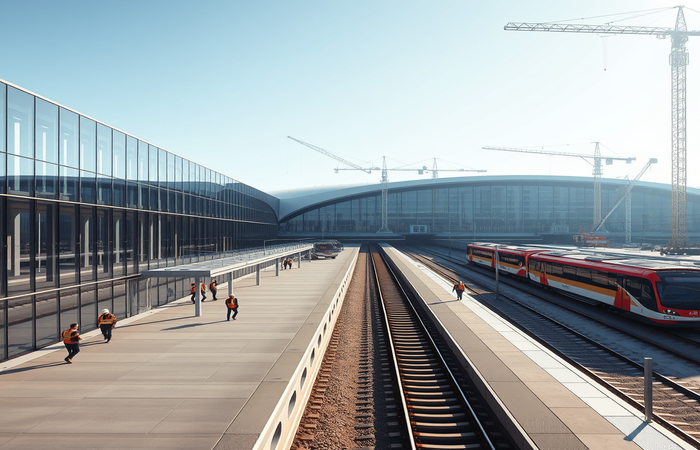
Construction of the Ülemiste Passenger Terminal Begins: A New Gateway for Estonia
The Baltic nation of Estonia is embarking on a transformative project that promises to reshape its transportation landscape. Rail Baltic Estonia (RBE) and Merko Ehitus Eesti have finalized an 85 million euro contract for the construction of the Ülemiste passenger terminal, a key component of the ambitious Rail Baltica project. This terminal, located in Tallinn, is envisioned as a state-of-the-art transport hub, seamlessly integrating various modes of transport and connecting Estonia to the broader European high-speed rail network. The commencement of construction is slated for November 2025, with an expected completion date in October 2028. Funded by the European Union’s Cohesion Fund (CF) and the Connecting Europe Facility (CEF), this project represents a significant investment in Estonia’s future, promising enhanced connectivity and economic opportunities. This article will delve into the specifics of the project, examining its design, functionality, and the broader implications for Estonia and the Rail Baltica initiative.
Ülemiste Terminal: A Multifaceted Transportation Hub
The Ülemiste passenger terminal is designed to be more than just a train station; it’s a detailed transportation hub. The structure will span across Suur-Sõjamäe Street, the Rail Baltica route, and the eastbound rail infrastructure of Eesti Raudtee (Estonian Railways), reaching a height of up to 20 meters, equivalent to a six-story building. The central structure will extend 180 meters in length. Crucially, the design incorporates pedestrian tunnels and essential technical systems beneath the railway tracks, ensuring efficient passenger flow and operational functionality. Alongside the railway lines, the terminal will feature three platforms, totaling 1,250 meters in length, with approximately half of these platforms covered by a protective canopy. This configuration is intended to optimize passenger convenience and enhance the overall travel experience. The strategic integration of multiple transport modes – including tram lines, bus routes, and cycle paths – alongside high-speed rail connections to Warsaw and beyond, will solidify Ülemiste’s role as a central transport nexus within the Baltic region.
Challenges and Innovations in Construction
The construction of the Ülemiste terminal presents unique engineering and logistical challenges. The project demands extremely precise planning and coordination to ensure uninterrupted railway operations throughout the construction phase. This requires careful management of construction activities in close proximity to existing and operational railway infrastructure. The contractors must implement robust safety protocols and utilize innovative construction techniques to mitigate risks and minimize disruptions. A key aspect of the project will be the phased construction approach. This strategy allows for simultaneous progress on various elements of the terminal while maintaining existing rail services. Additionally, the design incorporates sustainable building practices and environmentally conscious solutions, reflecting the project’s commitment to long-term sustainability and reducing its environmental footprint. The collaboration between Zaha Hadid Architects and the Estonian firm Esplan in the terminal’s design ensures a harmonious blend of innovative aesthetics and functional design.
The Symbolic and Strategic Significance
The Ülemiste passenger terminal, or “Linda terminal” as it will be known, holds significant symbolic importance for Estonia. Named after the Estonian national epic, the terminal will serve as the symbolic starting point for high-speed rail journeys from Tallinn towards Warsaw and beyond. This designation underscores the terminal’s role as a gateway connecting Estonia to the wider European network and solidifies its significance in Estonia’s modernization and integration with the EU. The terminal also reflects Estonia’s commitment to providing world-class infrastructure and enhancing its international connectivity. It is an important element in the Rail Baltica project, an ambitious initiative to establish a high-speed railway line connecting Estonia, Latvia, and Lithuania with Poland, and by extension, the rest of Europe. The project also provides a strategic opportunity for economic growth and improved regional integration.
Conclusion: A Future-Forward Vision for Estonia
The construction of the Ülemiste passenger terminal represents a pivotal moment for Estonia’s transportation infrastructure and its future within the European Union. The terminal, designed by Zaha Hadid Architects in collaboration with Esplan, embodies a forward-thinking vision, seamlessly integrating high-speed rail, local transport modes, and sustainable design principles. The project’s funding from the EU underscores the importance of this project for Estonia and its contribution to the overall European infrastructure development. With its strategic location and detailed design, the Ülemiste terminal will not only provide efficient and convenient travel for passengers but also stimulate economic growth and enhance Estonia’s position as a vital link in the European high-speed rail network. The project demonstrates Estonia’s dedication to infrastructure modernization and its commitment to a sustainable and interconnected future.
Country: Estonia
Date: 2024

Railway infrastructure, rolling stock and transport technologies specialist focused on global rail industry developments, high-speed rail systems, signaling technologies and freight transportation. Covering railway investments, public transport modernization, rail operations and international mobility projects across Europe, Asia and North America.
RELATED POSTS

September 5, 2026 4:19 pm
CPK launched formal tender talks with four consortia to design...
September 6, 2026 8:17 am
DB InfraGO reopened the Nuremberg-Regensburg line in Bavaria on 31...
September 5, 2026 6:17 pm
Universal Signalling won a deal to install its U-Cross system...
September 6, 2026 12:20 pm
Indian Railways ordered a probe after a fire destroyed 2...
September 7, 2026 11:16 pm
China Railway Tunnel Group completed the 11.3-km underwater Yangtze tunnel...
September 6, 2026 7:12 am
Renfe invests €1bn by 2030 to fix its rail depots...