
India’s Longest Electrified Rail Tunnel: Cherlopalli-Rapuru Marvel
The Cherlopalli-Rapuru Tunnel in India’s South Central Zone represents a significant engineering marvel, showcasing advancements in electrification infrastructure and modern tunneling techniques that have improved freight transport efficiency and reduced travel times by approximately 50% between Krishnapatnam Port and inland regions.
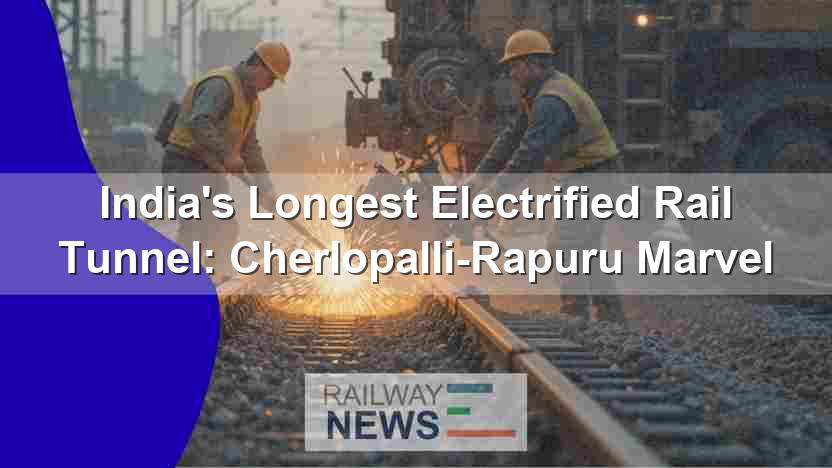
This article examines the commissioning of India’s longest electrified railway tunnel, a significant achievement in Indian railway infrastructure development. The project, located in the South Central Zone, represents a substantial investment in improving freight transport efficiency and reducing travel times between Krishnapatnam Port and inland regions. The project’s completion showcases advancements in tunneling techniques, electrification infrastructure, and overall railway modernization efforts within India. This analysis will delve into the technical specifications of the tunnel, its economic impact on the region, the engineering challenges overcome during construction, and the broader implications for the future of Indian Railways. We will also consider the project within the context of India’s ongoing investments in upgrading its railway network to meet the demands of a growing economy and increasing freight traffic.
The Engineering Marvel of the Cherlopalli-Rapuru Tunnel
The 6.6km-long electrified railway tunnel, situated between Cherlopalli and Rapuru stations on the Obulavaripalli-Venkatachalam railway line, is a testament to modern tunneling technology. Constructed using the New Austrian Tunneling Method (NATM), a flexible approach allowing adaptation to unforeseen geological conditions, the tunnel boasts a horseshoe shape. This design optimizes stability and minimizes material usage. The tunnel features a 6.5m overall height, maintaining a minimum contact wire height of 5.2m to accommodate electric train operations. The implementation of a ballastless track system, utilizing bi-block sleepers and Vaslo fittings, ensures enhanced stability, reduced maintenance, and improved ride quality. Additionally, the integration of LED lighting at 10m intervals and two traction power supply substations near Cherlopalli and Adurupalli demonstrates a commitment to safety and operational efficiency.
Economic Benefits and Operational Improvements
The tunnel significantly enhances freight transport efficiency in the region. By reducing the distance between Krishnapatnam Port and hinterland areas by approximately 60km, it cuts down transportation time and costs. Previously, freight trains took around ten hours to travel from Krishnapatnam Port to Obulavaripali. The new tunnel is expected to reduce this travel time to approximately five hours. This improvement has substantial economic benefits, reducing transportation costs for businesses and facilitating faster delivery of goods. The reduced transit time also translates into lower fuel consumption and reduced emissions, contributing to environmental sustainability.
Addressing Congestion and Future Network Capacity
The new railway line, including the tunnel, plays a crucial role in decongesting the Vijayawada-Gudur main line, a key artery in the South Central Railway (SCR) network. By diverting freight traffic to this new route, the tunnel alleviates pressure on the existing line, improving overall network efficiency and capacity. This is particularly important given India’s increasing freight transportation demands, driven by economic growth and industrial expansion. The project highlights the strategic importance of investing in new railway lines and infrastructure to meet future transportation needs.
Technological Advancements and Future Implications
The project showcases significant advancements in railway infrastructure development in India. The adoption of NATM, ballastless track technology, and modern electrification systems reflects a move towards more efficient, sustainable, and technologically advanced railway infrastructure. The success of this project sets a precedent for future large-scale tunneling projects in India. The experience gained in designing, constructing, and commissioning this tunnel will be invaluable in undertaking similar projects elsewhere in the country, contributing to the overall modernization and expansion of the Indian Railways network.
Conclusions
The commissioning of India’s longest electrified railway tunnel marks a significant milestone in Indian railway infrastructure development. This project, completed within a timeframe of 43 months at a cost of Rs4.6bn ($67.11m), exemplifies a commitment to modernization and efficiency improvements. The tunnel’s strategic location between Cherlopalli and Rapuru stations on the Obulavaripalli-Venkatachalam railway line directly addresses critical logistical challenges, particularly in reducing travel times and costs associated with freight transportation between Krishnapatnam Port and inland areas. The adoption of advanced technologies, including the New Austrian Tunneling Method (NATM), ballastless track, and efficient electrification systems, demonstrates India’s progress in adopting best practices in railway engineering and construction. The project also effectively contributes to decongesting existing railway lines, increasing overall network capacity and efficiency. The economic benefits are significant, with reduced transit times leading to lower transportation costs, increased competitiveness for businesses, and enhanced environmental sustainability. This success story serves as a strong foundation for future infrastructure development within the Indian Railways, setting a standard for efficiency, cost-effectiveness, and technological advancement in upcoming large-scale railway projects. The lessons learned and the technological advancements showcased in this project will be crucial in shaping the future of Indian Railways’ expansion and modernization efforts, ensuring the network’s ability to meet the increasing demands of India’s growing economy and population.

Railway infrastructure, rolling stock and transport technologies specialist focused on global rail industry developments, high-speed rail systems, signaling technologies and freight transportation. Covering railway investments, public transport modernization, rail operations and international mobility projects across Europe, Asia and North America.
RELATED POSTS

September 5, 2026 4:19 pm
CPK launched formal tender talks with four consortia to design...

September 6, 2026 4:12 am
Alstom delivered the first of 100 new G Class trams...

September 5, 2026 7:14 pm
HS2 Ltd signed renegotiated civils contracts with EKFB and Align...
September 19, 2026 11:19 am
China launched an experimental 1.11-tonne maglev test sled to 800...
September 7, 2026 4:15 pm
Zimbabwe approved the EUR 3 billion Harare Light Rail project,...
September 5, 2026 6:17 pm
Universal Signalling won a deal to install its U-Cross system...