
Metra’s APIS: Revolutionizing Railway Safety
The Automated Pantograph Inspection System (APIS) by Duos Technologies for Metra represents a transformative advancement in railway safety and efficiency, utilizing high-resolution digital video imagery to inspect pantographs non-invasively, enhancing early defect detection and proactive maintenance strategies that minimize operational disruptions and delays.
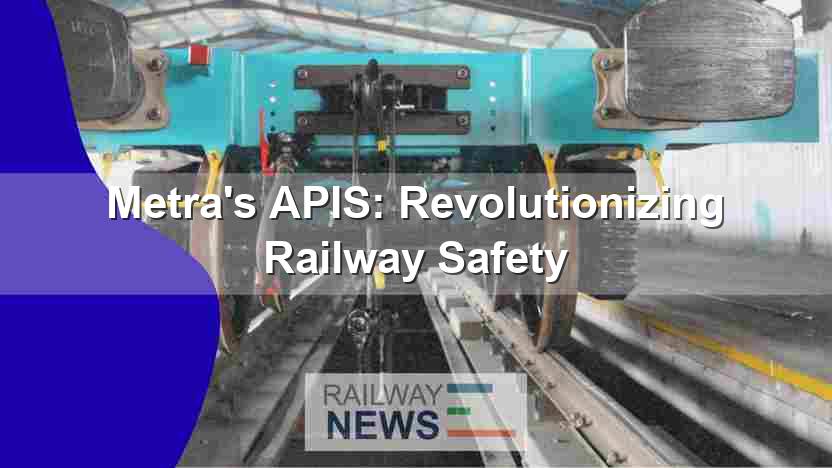
This article explores the implementation of advanced railway inspection technologies, specifically focusing on the deployment of an Automated Pantograph Inspection System (APIS) by Duos Technologies for Metra, the commuter rail system serving Chicago. The integration of this technology signifies a crucial step towards enhancing railway safety, efficiency, and preventative maintenance. We will delve into the functionality of the APIS, its benefits for Metra’s operations, the broader implications for the passenger rail industry, and the wider context of technological advancements in railway maintenance and safety. The analysis will encompass the system’s design, data transmission and analysis capabilities, and the overall impact on Metra’s operational workflow and long-term strategic goals. This examination aims to highlight the transformative potential of such technologies in modern railway management.
The Automated Pantograph Inspection System (APIS)
Duos Technologies’ APIS represents a significant advancement in preventative maintenance for railway systems. The system utilizes high-resolution digital video imagery to thoroughly inspect the pantographs (the devices that collect power from overhead lines) on passenger railcars. This non-invasive approach allows for the early detection of critical defects such as cracks, chips, and bends, which, if left unaddressed, could lead to significant operational disruptions, delays, and even safety hazards. Early detection allows for timely repairs, minimizing costly downtime and ensuring the continued safe operation of the railway network. The system’s ability to identify minute details greatly enhances the accuracy and efficiency of inspections compared to traditional manual methods.
Data Transmission and Remote Monitoring with CentraCo
The APIS is integrated with CentraCo, a command and control software platform. This platform facilitates real-time data transmission of the high-resolution video imagery captured by the APIS. The remote monitoring capabilities of CentraCo allow for immediate assessment of pantograph condition, enabling proactive maintenance scheduling and intervention. This eliminates the need for laborious manual inspections and the associated delays. The system’s centralized data management also contributes to improved record-keeping and facilitates trend analysis, enabling predictive maintenance strategies and further optimization of maintenance schedules.
Impact on Metra’s Operations and Strategic Goals
For Metra, the implementation of the APIS translates to several key operational benefits. Reduced downtime resulting from minimized pantograph-related failures contributes directly to improved service reliability and passenger satisfaction. The proactive maintenance approach facilitated by the system optimizes resource allocation, minimizing unnecessary expenditures on reactive repairs. Additionally, the enhanced safety measures provided by early defect detection are crucial for maintaining Metra’s commitment to the safety of its passengers and personnel. The system’s ability to monitor four tracks simultaneously demonstrates a significant improvement in efficiency and cost-effectiveness compared to traditional methods.
Broader Implications for the Passenger Rail Industry
The successful deployment of the APIS by Metra underscores a broader trend within the passenger rail industry towards the adoption of advanced technologies to enhance safety, efficiency, and sustainability. The ability to remotely monitor and analyze data in real-time opens up new possibilities for predictive maintenance, optimized resource allocation, and enhanced operational decision-making. This move towards data-driven railway management is likely to become increasingly prevalent as the industry strives for greater efficiency and safety.
Conclusions
The integration of Duos Technologies’ Automated Pantograph Inspection System (APIS) by Metra represents a significant advancement in railway maintenance and safety. The system’s ability to capture high-resolution images of pantographs, coupled with the real-time data transmission and analysis capabilities of the CentraCo platform, enables proactive maintenance, minimizing downtime and improving operational efficiency. This proactive approach not only reduces the risk of costly repairs and service disruptions but also significantly enhances passenger and personnel safety. The successful implementation of the APIS highlights a broader industry trend towards the adoption of advanced technologies for data-driven railway management. By leveraging technological advancements such as the APIS, railway operators can optimize resource allocation, improve service reliability, and ultimately enhance the overall passenger experience. The early detection of pantograph defects ensures the continued safe and efficient operation of the railway network, ultimately contributing to a more sustainable and reliable transportation system. The future of railway maintenance lies in the seamless integration of advanced technologies like the APIS, paving the way for more efficient, safer, and cost-effective operations across the industry. The lessons learned from Metra’s implementation of the APIS will undoubtedly influence the adoption of similar technologies by other passenger rail systems globally, promoting a higher standard of safety and efficiency throughout the rail sector.

Railway infrastructure, rolling stock and transport technologies specialist focused on global rail industry developments, high-speed rail systems, signaling technologies and freight transportation. Covering railway investments, public transport modernization, rail operations and international mobility projects across Europe, Asia and North America.
RELATED POSTS

September 5, 2026 4:19 pm
CPK launched formal tender talks with four consortia to design...

September 6, 2026 4:12 am
Alstom delivered the first of 100 new G Class trams...

September 5, 2026 7:14 pm
HS2 Ltd signed renegotiated civils contracts with EKFB and Align...
September 5, 2026 6:17 pm
Universal Signalling won a deal to install its U-Cross system...
September 6, 2026 8:17 am
DB InfraGO reopened the Nuremberg-Regensburg line in Bavaria on 31...
September 7, 2026 11:16 pm
China Railway Tunnel Group completed the 11.3-km underwater Yangtze tunnel...