
Mumbai Metro’s $36.6M HVAC System: Blue Star’s Design & Innovation
This article discusses the significant contract awarded to Blue Star Limited by the Mumbai Metro Rail Corporation Limited for designing, engineering, supplying, installing, and commissioning an environmental control system for Line 3 of the Mumbai Metro, highlighting the challenges in integrating sophisticated HVAC systems within underground infrastructure in a densely populated metropolis like Mumbai.
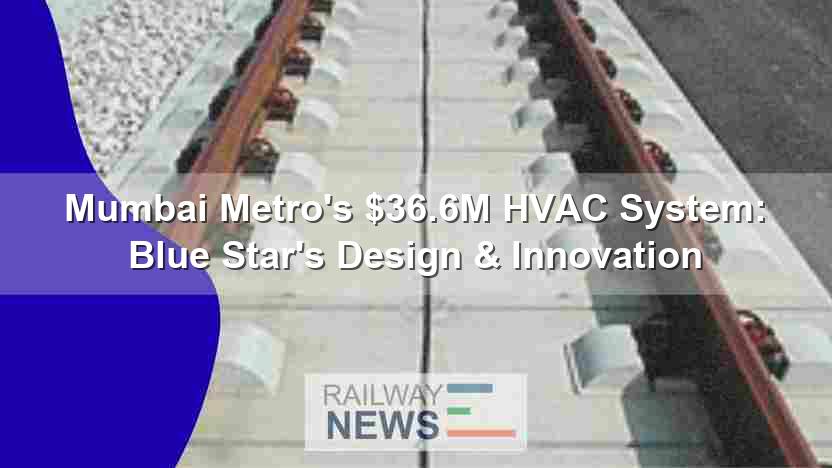
This article examines the significant contract awarded to Blue Star Limited by the Mumbai Metro Rail Corporation Limited (MMRCL) for the design, engineering, supply, installation, and commissioning of a detailed environmental control system for Line 3 of the Mumbai Metro. This project highlights the crucial role of sophisticated HVAC (Heating, Ventilation, and Air Conditioning) systems in modern, high-density urban rail transit, particularly addressing the unique challenges presented by underground infrastructure in a densely populated metropolis like Mumbai. The complexities of integrating such a system within the confines of existing infrastructure, the selection of energy-efficient equipment, and the implementation of advanced monitoring and control technologies are key considerations that will be explored in detail. The financial scale of the project ($36.6 million USD) underscores the substantial investment required to ensure passenger comfort, operational efficiency, and environmental sustainability within this rapidly expanding metro system. This case study provides valuable insights into the technical and logistical demands associated with large-scale HVAC installations in the metro rail sector, and the strategic advantages for companies like Blue Star in securing such contracts.
System Design and Equipment Selection
The core of the project involves the design, engineering, and installation of a complete environmental control system across nine underground stations and associated tunnels along Mumbai Metro Line 3. Blue Star’s scope encompasses a wide range of equipment, including water-cooled screw and magnetic bearing chillers (providing efficient cooling capacity), chilled water and condenser water pumps (for effective circulation), and a variety of air handling units (AHUs) sized to meet the unique ventilation requirements of each station and tunnel section. The selection of energy-efficient chillers is paramount, as minimizing operational costs and reducing the carbon footprint are crucial objectives. The design must also account for the substantial heat loads generated by passenger density and train operations within the confined spaces of underground stations. The use of magnetic bearing chillers, known for their higher efficiency and reduced maintenance needs, reflects Blue Star’s commitment to providing a high-performance and sustainable solution.
Space Constraints and System Integration
Mumbai’s dense urban environment presents significant space constraints, making the project particularly challenging. Careful consideration must be given to the placement and sizing of all equipment to maximize efficiency within the limited available space. The project requires innovative engineering solutions to accommodate the extensive network of ducting, piping, and electrical infrastructure necessary for a smooth operation. Blue Star’s experience in managing complex infrastructure projects in confined urban settings is critical in overcoming these challenges. This aspect of the project highlights the importance of efficient space utilization and the expertise needed in integrating complex systems within existing infrastructure.
SCADA and Control Systems
The inclusion of a Supervisory Control and Data Acquisition (SCADA) system is vital for real-time monitoring and control of the entire environmental control system. The SCADA system allows for centralized management of all equipment, enabling proactive maintenance and optimization of energy consumption. This sophisticated technology provides continuous data on system performance, alerts operators to potential issues, and allows for remote adjustments to maintain optimal environmental conditions within the stations and tunnels. The implementation of such an advanced monitoring system ensures the reliability and efficiency of the HVAC system, reducing operational costs and enhancing passenger comfort.
Electrical Infrastructure and Tunnel Ventilation
The project also involves significant electrical work, crucial for powering the extensive HVAC equipment and ensuring reliable operation. This includes power distribution, wiring, and control circuits necessary for all system components. Additionally, the design encompasses dedicated tunnel ventilation systems, critical for maintaining air quality and mitigating the buildup of pollutants and exhaust gases within the underground tunnels. Tunnel ventilation is equally important for safety, ensuring proper airflow to prevent the accumulation of smoke in case of emergency situations. Proper electrical integration and the strategic placement of ventilation fans are essential for a safe and functional environment.
Conclusion
The Blue Star contract with MMRCL represents a substantial undertaking in the realm of urban rail infrastructure development. The project’s scope, encompassing the design, engineering, supply, installation, and commissioning of a detailed environmental control system for nine underground stations and their connecting tunnels on Mumbai Metro Line 3, showcases the intricate demands of modern mass transit. The successful execution of this project hinges on several crucial factors: meticulous system design to accommodate Mumbai’s space limitations, the selection and integration of energy-efficient equipment such as magnetic bearing chillers and advanced air handling units, and the implementation of a robust SCADA system for real-time monitoring and control. The $36.6 million USD contract value underscores the significant financial investment required for modern, comfortable, and sustainable underground rail infrastructure. Additionally, the project highlights the importance of strategic partnerships between public transit authorities and specialized engineering firms like Blue Star to successfully deliver complex and critical projects that contribute to the modernization and expansion of urban rail networks. Blue Star’s demonstrated expertise in managing large-scale projects and their focus on advanced technologies position them effectively to address the challenges and opportunities presented by the growing global demand for efficient and sustainable urban rail transportation. The successful completion of this project serves as a model for future metro developments, emphasizing the necessity of integrating advanced HVAC and environmental control systems for passenger comfort and operational efficiency while mitigating environmental impact.

Railway infrastructure, rolling stock and transport technologies specialist focused on global rail industry developments, high-speed rail systems, signaling technologies and freight transportation. Covering railway investments, public transport modernization, rail operations and international mobility projects across Europe, Asia and North America.
RELATED POSTS

September 5, 2026 4:19 pm
CPK launched formal tender talks with four consortia to design...

September 5, 2026 7:14 pm
HS2 Ltd signed renegotiated civils contracts with EKFB and Align...
September 5, 2026 6:17 pm
Universal Signalling won a deal to install its U-Cross system...
September 5, 2026 5:17 pm
Chiltern Railways completed the Banbury Station ticket office and main...
September 6, 2026 7:12 am
Renfe invests €1bn by 2030 to fix its rail depots...

September 6, 2026 4:12 am
Alstom delivered the first of 100 new G Class trams...