
Vossloh Sells: CRRC’s European Rail Play
This article examines Vossloh’s divestment of its locomotive business to CRRC Zhuzhou Locomotive (ZELC), highlighting the strategic shift towards rail infrastructure and the implications for both companies and the European railway industry.
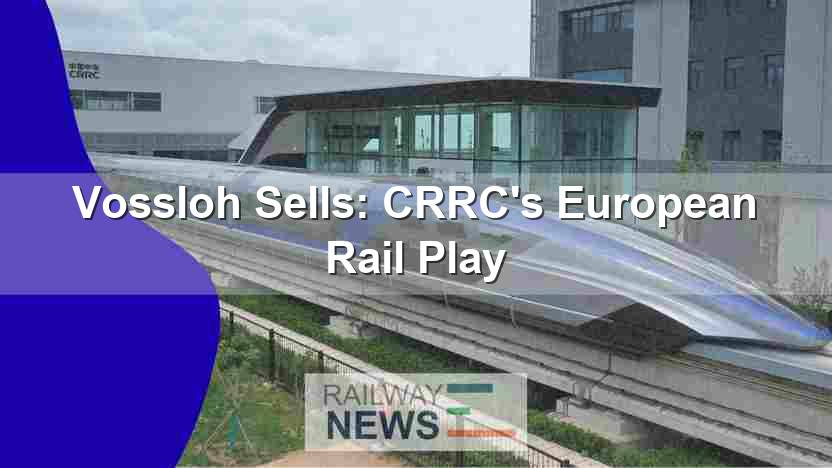
This article analyzes the strategic divestment of Vossloh’s locomotive business to CRRC Zhuzhou Locomotive (ZELC), a subsidiary of the Chinese state-owned conglomerate CRRC (China Railway Rolling Stock Corporation). The sale, announced in August 2019, represents a significant shift in Vossloh’s strategic focus towards rail infrastructure and highlights the growing influence of CRRC in the global railway market. The transaction, though involving a relatively small financial sum (a low single-digit million figure), carries substantial implications for both companies and the broader European railway industry. We will explore the reasons behind Vossloh’s decision, the strategic advantages for CRRC, the regulatory hurdles involved in cross-border acquisitions of this nature, and the potential long-term consequences for competition and innovation within the European rail sector. The analysis will delve into the specifics of the deal, considering aspects such as the transfer of liabilities, the ongoing regulatory approvals, and the wider implications for Vossloh’s future strategic direction.
Vossloh’s Strategic Restructuring
Vossloh’s decision to divest its locomotive business reflects a broader strategic shift towards focusing on its core competencies within rail infrastructure. The company had previously sold off its rail vehicles and electrical systems units in 2015 and 2017, signaling a clear intention to consolidate its operations and streamline its portfolio. By offloading the locomotive division, which had been classified as discontinued operations, Vossloh aims to enhance profitability and efficiency. This move allows the company to concentrate resources and investments on its more profitable and strategically vital rail infrastructure businesses, such as the recently acquired Strabag’s rail milling business in January 2019, strengthening its position in the lifecycle solutions sector. The divestment allows Vossloh to allocate capital towards research, development and expansion in these key areas, maximizing return on investment and securing future growth.
CRRC’s Expansion into the European Market
For CRRC, the acquisition of Vossloh Locomotives represents a significant step towards expanding its global reach and establishing a foothold in the European market. ZELC, known for its expertise in diesel and dual-mode locomotives, gains access to established manufacturing capabilities, technology, and a customer base within Europe. This strategic move allows CRRC to leverage Vossloh’s existing network and infrastructure to penetrate the European market. The acquisition provides CRRC with a platform to showcase its manufacturing capabilities and technological advancements while directly competing with established European rolling stock manufacturers. This strategic move is a key component of CRRC’s ambitious global expansion strategy.
Regulatory and Legal Considerations
The transaction is subject to approval from regulatory authorities in both Europe and China. This necessitates navigating complex merger control regulations and foreign trade laws. The approval process involves scrutiny of potential anti-competitive effects and assessment of the deal’s impact on national security interests. Securing necessary clearances from these different regulatory bodies will be crucial for the successful completion of the acquisition. This lengthy and intricate process often involves detailed documentation, extensive investigations, and negotiations with regulatory authorities. The time-sensitive nature of these approvals significantly impacts the timeline of the overall transaction.
Financial Aspects and Future Implications
While the exact purchase price remains undisclosed (reported to be a low single-digit million figure), subject to final adjustments, the financial implications for both companies are significant. For Vossloh, the sale contributes to its financial restructuring efforts, freeing up capital for other investments. For CRRC, the acquisition represents a relatively low-cost entry point into a new and potentially lucrative market. The transfer of guarantees and sureties related to the locomotive business unit adds an additional layer of complexity to the financial arrangements. The long-term implications for the European railway market include increased competition and potentially lower prices for customers, although concerns regarding fair competition and potential market dominance by CRRC might need further evaluation.
Conclusion
The sale of Vossloh’s locomotive business to CRRC Zhuzhou Locomotive marks a significant event in the European railway industry. Vossloh’s decision reflects a strategic refocusing on its core competencies in rail infrastructure, allowing the company to optimize resource allocation and enhance its overall financial position. For CRRC, the acquisition is a strategic move to gain a foothold in the European market, leveraging Vossloh’s existing infrastructure and expertise. The transaction’s success hinges on navigating the complex regulatory landscape in both Europe and China. While the financial details remain somewhat opaque, the sale’s long-term impact on competition and innovation within the European railway sector warrants continued observation. The relatively low purchase price suggests a calculated risk for CRRC, prioritizing market access over immediate substantial profit, underscoring the strategic importance of establishing a presence in the European Union’s rail infrastructure market. The successful completion of this acquisition demonstrates the increasing globalization of the railway industry and highlights the evolving competitive landscape shaped by the ambitions of large Chinese state-owned enterprises.

Railway infrastructure, rolling stock and transport technologies specialist focused on global rail industry developments, high-speed rail systems, signaling technologies and freight transportation. Covering railway investments, public transport modernization, rail operations and international mobility projects across Europe, Asia and North America.
RELATED POSTS

September 5, 2026 4:19 pm
CPK launched formal tender talks with four consortia to design...

September 5, 2026 7:14 pm
HS2 Ltd signed renegotiated civils contracts with EKFB and Align...

September 6, 2026 4:12 am
Alstom delivered the first of 100 new G Class trams...
September 5, 2026 6:17 pm
Universal Signalling won a deal to install its U-Cross system...
September 6, 2026 8:17 am
DB InfraGO reopened the Nuremberg-Regensburg line in Bavaria on 31...
September 6, 2026 12:20 pm
Indian Railways ordered a probe after a fire destroyed 2...