
Hagibis Floods: Decommissioning 10 Shinkansen Trains
The decommissioning of flood-damaged Shinkansen trains following Typhoon Hagibis in 2019 highlights the significant financial and operational challenges faced by Japanese railway operators in maintaining a high-speed rail network amidst severe weather events.
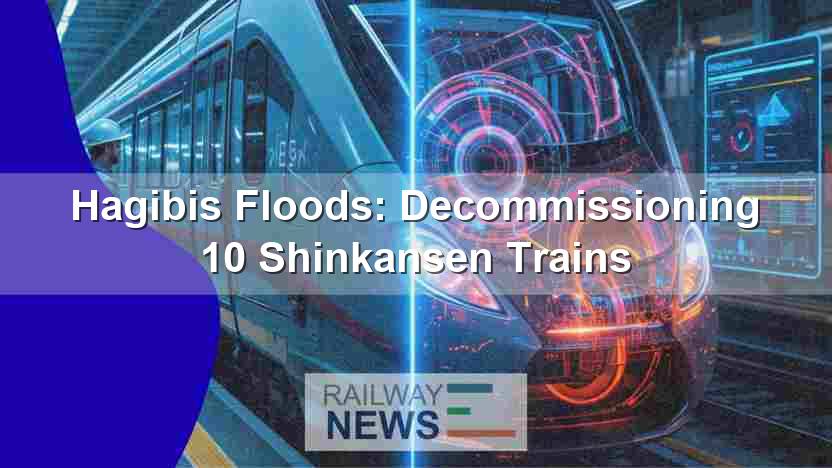
The Decommissioning of Flood-Damaged Shinkansen Trains: A Case Study in Japanese Rail Resilience
This article examines the significant impact of Typhoon Hagibis (2019) on the Japanese Shinkansen (bullet train) network, specifically focusing on the decision by East Japan Railway Company (JR East) and West Japan Railway Company (JR West) to decommission ten 12-car Shinkansen trains following extensive flood damage. The event provides a valuable case study in disaster recovery, economic impact assessment, and the strategic planning required for maintaining the operational efficiency and safety of a high-speed rail system. We will explore the scale of the damage, the financial implications for the railway operators, the operational challenges faced, and the recovery strategies implemented. The analysis will also consider the broader context of Japan’s commitment to maintaining a world-class high-speed rail network, even in the face of increasingly frequent and severe weather events attributed to climate change. This discussion is crucial not only for understanding the specific incident but also for drawing lessons applicable to other high-speed rail systems globally facing similar environmental challenges.
Extent of Damage and Initial Response
Typhoon Hagibis caused catastrophic flooding in several regions of Japan, with the Hokuriku Shinkansen depot in Nagano being severely affected by the overflow of the Chikuma River. Eight 12-car Shinkansen trains belonging to JR East and two belonging to JR West sustained significant water damage while housed in this depot. The scale of the inundation rendered these trains irreparable, leading to the decision to scrap them entirely. The combined book value of the affected trains reached an estimated JPY14.8 billion (approximately $135.5 million USD at the time), representing a substantial financial loss for the railway operators. The immediate response focused on securing the remaining fleet and assessing the damage, which revealed a service reduction to approximately 80% of normal capacity, given that the damaged trains represented one-third of the operational fleet. This immediately impacted both passenger services and the overall operational efficiency of the Hokuriku Shinkansen line.
Financial and Operational Implications
The decommissioning of ten Shinkansen trains had substantial financial implications. JR East reported a book value loss of JPY11.8 billion ($108 million USD) for its eight trains, while JR West’s loss for its two trains was JPY3 billion ($27.5 million USD). These losses were categorized as special losses in the operators’ financial statements. Beyond the direct financial impact, the reduction in operational capacity caused delays and disruptions to passenger services, potentially leading to further financial repercussions through lost revenue and compensation claims. The immediate need to restore full service required the careful reallocation of existing Shinkansen trains across the affected routes, demanding meticulous operational planning and coordination to minimize further disruption. This temporary operational adjustment highlights the inherent vulnerability of highly centralized systems, like the Shinkansen, to large-scale catastrophic events.
Recovery and Replacement Strategies
Despite the significant setback, both JR East and JR West swiftly implemented detailed recovery strategies. Salvaging any reusable components from the damaged trains aimed to mitigate some of the financial losses. More importantly, both companies initiated plans for the replacement of the lost rolling stock. The objective was to restore full service by the end of the fiscal year, demonstrating a remarkable commitment to maintaining the high standards of the Shinkansen network. This rapid response required efficient procurement processes, close collaboration with manufacturers, and meticulous coordination across various departments within the railway companies. The replacement strategy also serves as a crucial element in the future resilience of the network against similar events.
Conclusions
The decommissioning of ten flood-damaged Shinkansen trains following Typhoon Hagibis serves as a stark reminder of the vulnerability of even the most technologically advanced infrastructure to extreme weather events. The incident highlighted the significant financial and operational repercussions of such disasters. The estimated JPY 14.8 billion (approximately $135.5 million USD) in losses for JR East and JR West underscores the economic impact of unexpected events on large-scale infrastructure projects. The swift and decisive response by both railway operators, including the immediate assessment of the damage, the prioritization of passenger safety, the strategic reallocation of resources, and the commitment to the full restoration of services, demonstrates the importance of robust contingency planning and efficient disaster management strategies within the rail industry. The focus on salvaging reusable components and the planned replacement of the lost rolling stock reflect a commitment to sustainability and long-term operational efficiency. While the immediate focus was on recovery, the incident should serve as a catalyst for a review of infrastructure vulnerability assessments, particularly concerning the potential impacts of climate change and the implementation of proactive mitigation measures. This includes a detailed evaluation of flood defenses around critical infrastructure and the diversification of rolling stock storage locations to mitigate the risk of future catastrophic losses. The experience gained from this event offers valuable lessons for rail operators worldwide, emphasizing the critical need for ongoing investment in resilience and adaptation strategies in the face of increasingly frequent and severe extreme weather events.

Railway infrastructure, rolling stock and transport technologies specialist focused on global rail industry developments, high-speed rail systems, signaling technologies and freight transportation. Covering railway investments, public transport modernization, rail operations and international mobility projects across Europe, Asia and North America.
RELATED POSTS

September 5, 2026 4:19 pm
CPK launched formal tender talks with four consortia to design...

September 6, 2026 4:12 am
Alstom delivered the first of 100 new G Class trams...

September 5, 2026 7:14 pm
HS2 Ltd signed renegotiated civils contracts with EKFB and Align...
September 5, 2026 6:17 pm
Universal Signalling won a deal to install its U-Cross system...
September 6, 2026 8:17 am
DB InfraGO reopened the Nuremberg-Regensburg line in Bavaria on 31...
September 7, 2026 11:16 pm
China Railway Tunnel Group completed the 11.3-km underwater Yangtze tunnel...