
HS2: A £88 Billion Rail Gamble?
The High-Speed Rail Debate: A Critical Analysis of HS2 examines the contentious debate surrounding the planned £88 billion rail line in the United Kingdom, focusing on its economic justifications versus criticisms, with a particular emphasis on escalating costs and their impact on project value for money.
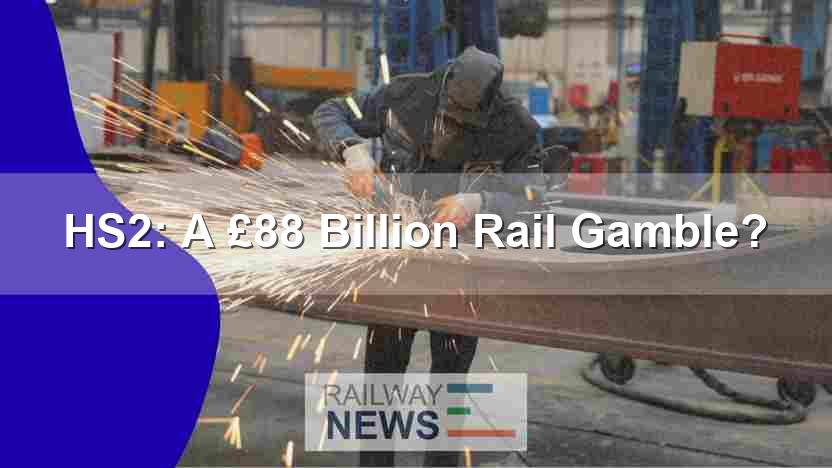
The planned High-Speed 2 (HS2) rail line in the United Kingdom has become a focal point of intense debate, pitting the promise of improved connectivity and economic growth against concerns over escalating costs and environmental impact. This article explores the multifaceted arguments surrounding HS2, analyzing the economic justifications, the criticisms levied against the project, and the potential long-term consequences of proceeding or abandoning this ambitious undertaking. The escalating cost, initially estimated at £33 billion and now projected to exceed £88 billion, forms a central theme, raising questions about value for money and the responsible allocation of public funds. This analysis explores the competing viewpoints surrounding HS2, examining the claims made by both proponents and detractors to reach a balanced assessment of this pivotal infrastructure project.
Economic Justification and Projected Benefits
Proponents of HS2 emphasize its potential to revolutionize the UK’s transport network. The core argument centers on significant reductions in journey times between major cities, such as London, Birmingham, Manchester, and Leeds. This increased speed and efficiency are expected to stimulate economic activity, particularly in the North and Midlands, by improving accessibility for businesses and commuters. The project’s supporters point to the creation of thousands of jobs during the construction phase and the subsequent positive impact on regional economies through increased tourism and investment. Additionally, the enhanced capacity of the rail network is anticipated to alleviate overcrowding on existing lines, boosting overall efficiency and reducing delays. While acknowledging the substantial initial investment, proponents argue that the long-term economic benefits, including increased productivity and reduced congestion costs, will outweigh the considerable expenditure.
Cost Escalation and Value for Money
The dramatic increase in the projected cost of HS2, from the initial £33 billion estimate to a figure now exceeding £88 billion, is a major point of contention. Critics argue that this significant cost overrun undermines the project’s economic viability, questioning whether the purported benefits justify such a substantial investment. The lack of transparency and the perceived tendency to underestimate costs raise concerns about project management and accountability. Moreover, the opportunity cost – the potential benefits that could be derived from investing the same funds in alternative infrastructure projects or public services – becomes a crucial consideration. Skeptics argue that a thorough cost-benefit analysis, factoring in all potential risks and uncertainties, is essential to determine whether HS2 represents optimal value for money.
Environmental Concerns and Alternative Solutions
The environmental impact of HS2 has also drawn significant criticism. Construction requires extensive land acquisition, potentially affecting valuable ecosystems and habitats. The project’s carbon footprint, including emissions from construction and operation, has been challenged, leading to concerns about its alignment with the UK’s environmental goals. Critics suggest exploring alternative solutions, such as improvements to existing rail lines and investment in other forms of sustainable transportation, arguing that these options could deliver comparable benefits at a lower environmental and financial cost. The lack of sufficient consideration given to these alternatives before the initial commitment to HS2 has also fueled criticism. A detailed environmental impact assessment, incorporating potential mitigation strategies, remains critical in evaluating the project’s overall sustainability.
Political Landscape and Public Opinion
The HS2 project is deeply intertwined with the political landscape. The changing views of government officials, from initial support to subsequent expressions of concern regarding spiraling costs, underscore the inherent political complexities involved. Public opinion remains divided, with strong support in some regions and staunch opposition in others. This division reflects contrasting perspectives on economic priorities, environmental concerns, and the equitable distribution of resources. The lack of consistent, transparent communication regarding the project’s cost, timeline, and potential benefits has contributed to public mistrust and a lack of widespread support. The political ramifications of proceeding or abandoning the project are substantial, impacting electoral outcomes and shaping future infrastructure investment decisions.
Conclusions
The High-Speed 2 project presents a complex case study in large-scale infrastructure development. The projected economic benefits, including reduced journey times and stimulated regional growth, are significant. However, the dramatic escalation of costs, reaching almost three times the initial estimate, raises serious concerns about value for money and the responsible allocation of public resources. Additionally, environmental considerations, including land use and carbon emissions, cannot be ignored. The lack of transparency and the apparent lack of consideration given to viable alternatives prior to project initiation have also contributed to the controversy. The political landscape further complicates the issue, highlighting the inherent tensions between economic development, environmental protection, and the equitable distribution of public funds. A detailed reassessment of the project’s viability, considering the updated cost projections, the potential environmental impact, and viable alternatives, is essential. Transparent and accountable governance, coupled with open and honest communication with the public, is crucial in navigating the intricate challenges surrounding HS2 and ensuring informed decision-making.
Ultimately, the decision of whether to proceed with HS2 requires careful weighing of the potential long-term benefits against the considerable financial and environmental costs. A decision made solely on the basis of sunk costs, already significant investment in the project, would be a grave error. A thorough re-evaluation, free from political pressures and rooted in sound economic and environmental principles, is paramount to securing a sustainable and responsible outcome. Ignoring the substantial criticisms levied against the project, especially the considerable cost overruns and lack of transparent communication, would set a dangerous precedent for future infrastructure projects in the UK and elsewhere. The future of HS2 should be determined through a robust, transparent process that prioritizes the long-term interests of the nation, and not be driven by short-term political considerations.

Railway infrastructure, rolling stock and transport technologies specialist focused on global rail industry developments, high-speed rail systems, signaling technologies and freight transportation. Covering railway investments, public transport modernization, rail operations and international mobility projects across Europe, Asia and North America.
RELATED POSTS

September 5, 2026 4:19 pm
CPK launched formal tender talks with four consortia to design...

September 5, 2026 7:14 pm
HS2 Ltd signed renegotiated civils contracts with EKFB and Align...

September 6, 2026 4:12 am
Alstom delivered the first of 100 new G Class trams...
September 5, 2026 6:17 pm
Universal Signalling won a deal to install its U-Cross system...
September 6, 2026 8:17 am
DB InfraGO reopened the Nuremberg-Regensburg line in Bavaria on 31...
September 6, 2026 12:20 pm
Indian Railways ordered a probe after a fire destroyed 2...