
Northern Rail’s £500M Upgrade: New Trains, New Era
The £500 million investment by Northern in modernizing its fleet through the acquisition and deployment of new trains, including amenities like air conditioning, power sockets, Wi-Fi, and improved accessibility, is a significant strategy to enhance passenger experience and capacity on key routes across northern England.
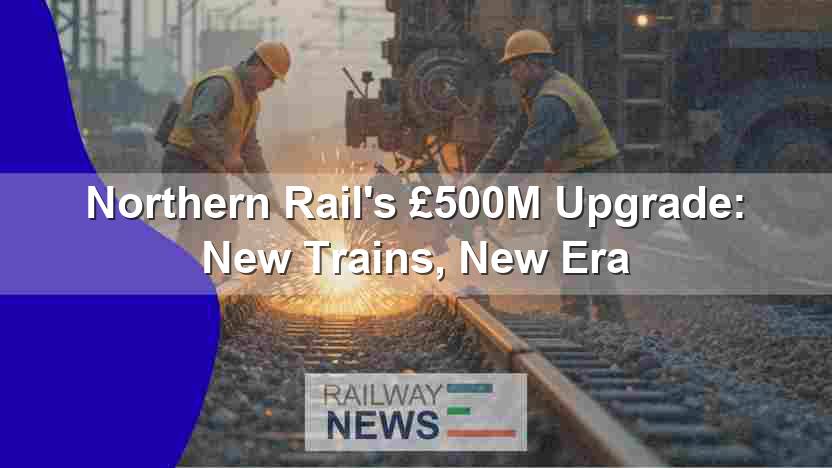
This article examines the significant fleet modernization undertaken by Northern, a subsidiary of Arriva UK Trains, focusing on the introduction of new rolling stock (trains) to enhance passenger experience and capacity on key routes across northern England. The initiative, representing a substantial £500 million investment, involved the acquisition and deployment of modern trains equipped with amenities such as air conditioning, power sockets, Wi-Fi, and improved accessibility features. This upgrade is part of a broader strategy to address increasing passenger numbers and improve overall service quality on a network experiencing unprecedented growth. The impact of this investment on customer satisfaction, operational efficiency, and the overall economic benefit to the region will be analyzed in detail, highlighting the complexities and challenges involved in such large-scale railway modernization projects. Additionally, we will delve into the strategic partnerships, such as the one with Eversholt Rail Group, that were crucial to the success of this undertaking. The analysis will also consider the broader context of the UK rail industry and its ongoing modernization efforts.
The Northern Rail Modernization Program: A £500 Million Investment
Northern’s commitment to upgrading its fleet signifies a substantial investment in the future of rail travel in northern England. The £500 million initiative, supported by Eversholt Rail Group, encompasses the purchase and deployment of approximately 100 new trains (initially 50 in December 2019, with 49 more in the following year). This represents a significant portion of Northern’s overall fleet modernization strategy and is indicative of a broader industry trend towards improved passenger comfort and operational efficiency. The procurement of these new trains, a considerable undertaking in itself, involved navigating complex logistical challenges, including the international transportation of rolling stock (in this case, from Spain) and ensuring compliance with stringent safety and regulatory standards.
Enhanced Passenger Experience and Accessibility
The new trains, boasting features such as air conditioning, power sockets, free Wi-Fi, and improved accessibility for passengers with reduced mobility, represent a considerable improvement over the existing fleet. These enhancements are intended not only to improve passenger comfort but also to enhance the overall travel experience. The inclusion of these features reflects a growing focus within the rail industry on delivering a more customer-centric service. The improved accessibility is particularly noteworthy, aligning with the broader aim of making public transport more inclusive and accessible to all members of society. This aspect addresses a key concern within the rail industry concerning inclusivity and the needs of passengers with disabilities.
Network Expansion and Increased Capacity
The introduction of the new trains directly addresses the issue of increased passenger numbers on Northern’s network. With over 100 million passenger journeys annually, the existing infrastructure required significant upgrades to maintain service quality. The deployment of the new rolling stock, therefore, improves not only the travel experience but also the operational efficiency of the network itself. By offering increased capacity, the new trains contribute to alleviating overcrowding and ensuring a smoother, more reliable service for passengers, particularly during peak travel times. This strategic increase in capacity is vital to support the ongoing growth of the region and accommodate the increasing demands placed on the rail system.
Strategic Partnerships and Industry Collaboration
The success of the Northern Rail modernization program is partly attributable to strategic partnerships forged within the rail industry. The involvement of Eversholt Rail Group, a significant rolling stock leasing company, highlights the increasingly collaborative nature of large-scale rail infrastructure projects. These partnerships provide access to essential financial resources, specialized expertise, and streamlined procurement processes, allowing rail operators like Northern to execute ambitious modernization plans more effectively. This collaborative approach is becoming increasingly common in the rail industry, underscoring the importance of shared resources and expertise in delivering major improvements to the rail network.
Conclusions
Northern’s £500 million investment in new rolling stock represents a significant step towards modernizing rail travel in northern England. The introduction of approximately 100 new trains equipped with enhanced passenger amenities, improved accessibility, and increased capacity directly addresses the challenges posed by a rapidly growing passenger base. The program exemplifies the vital role of strategic partnerships within the rail industry, leveraging expertise and resources to deliver ambitious modernization projects. The success of this initiative highlights the positive impact that significant investment can have on enhancing customer satisfaction, improving operational efficiency, and supporting economic growth in the region. While the initial phase of the project focused on specific routes, such as those connecting Lincoln, Gainsborough, Worksop, Nottingham, Leeds, and Sheffield, the broader implications extend to the overall enhancement of the Northern rail network. The strategic improvements implemented, from enhanced passenger experience to improved accessibility, demonstrate a commitment to providing a reliable and comfortable rail service for all passengers. The long-term success of this investment will depend on continued investment in infrastructure, maintenance, and ongoing improvements to operational efficiency. The example set by Northern’s modernization program underscores the importance of sustained commitment to improving the UK rail network as a crucial element of the country’s transportation infrastructure.

Railway infrastructure, rolling stock and transport technologies specialist focused on global rail industry developments, high-speed rail systems, signaling technologies and freight transportation. Covering railway investments, public transport modernization, rail operations and international mobility projects across Europe, Asia and North America.
RELATED POSTS

September 5, 2026 4:19 pm
CPK launched formal tender talks with four consortia to design...

September 6, 2026 4:12 am
Alstom delivered the first of 100 new G Class trams...

September 5, 2026 7:14 pm
HS2 Ltd signed renegotiated civils contracts with EKFB and Align...
September 5, 2026 6:17 pm
Universal Signalling won a deal to install its U-Cross system...
September 6, 2026 8:17 am
DB InfraGO reopened the Nuremberg-Regensburg line in Bavaria on 31...
September 6, 2026 12:20 pm
Indian Railways ordered a probe after a fire destroyed 2...