
UK Rail Revolution: North East’s Network Expansion
The UK government’s recent investments and planned improvements to its rail network, particularly focusing on enhancements in the North East region, demonstrate a commitment to modernizing infrastructure, restoring lost services, and improving regional connectivity through significant financial allocations and new station construction projects.
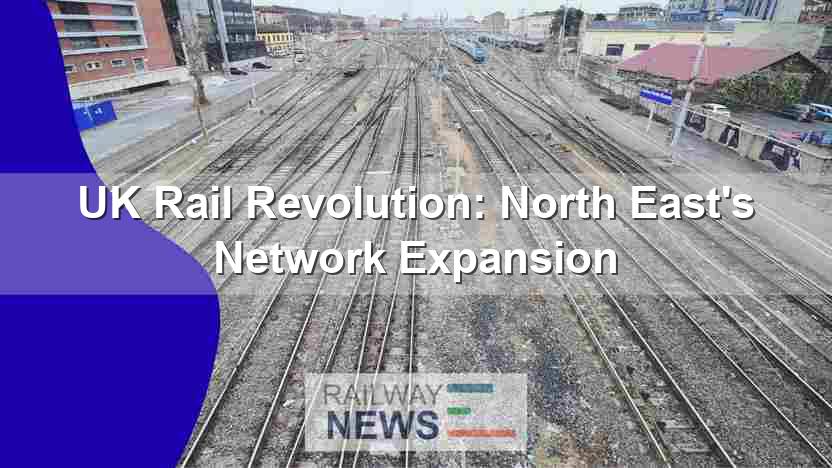
This article examines the recent investments and planned improvements to the UK rail network, specifically focusing on enhancements in the North East region. The UK government’s commitment to modernizing and expanding railway infrastructure is a key theme, highlighted by significant financial allocations to new station construction and the restoration of previously closed lines. We will delve into the specifics of the Horden Peterlee project, a prime example of this initiative, analyzing its impact on local communities and the broader implications for regional connectivity. Additionally, the article will explore the government’s wider strategy regarding fare structures and its commitment to restoring rail services lost during the Beeching cuts (a period of significant railway line closures in the 1960s). This analysis will consider both the economic and social benefits of these initiatives, as well as potential challenges in their implementation.
The Horden Peterlee Rail Project: A Case Study in Network Expansion
The £10.55 million investment in the Horden Peterlee rail line exemplifies the UK government’s commitment to improving regional connectivity. This project, supported by £4.4 million from the Department for Transport’s New Stations Fund, addresses a significant gap in service, providing rail access to a 20km stretch currently without stations. The anticipated completion in 2020, delivering hourly train services linking Newcastle and Middlesbrough, signifies a substantial improvement in public transportation for local residents. This development underscores the government’s strategy of targeting underserved areas and enhancing accessibility for communities reliant on alternative, often less efficient, transportation modes. The project demonstrates a clear prioritization of improving regional rail infrastructure.
Restoring Disconnected Communities: Reopening Lines from the Beeching Cuts
Beyond new infrastructure, the UK government’s initiative to allocate £500 million to reinstate previously closed lines directly addresses the lasting impact of the Beeching cuts. The planned revival of the Ashington to Blyth line, currently under assessment, highlights a strategic shift towards reconnecting communities previously severed from the national rail network. This represents a significant departure from past policies, prioritizing improved regional equity and acknowledging the vital role of rail in fostering economic growth and social cohesion. The restoration of such lines can stimulate economic activity by facilitating improved commuting, access to employment opportunities, and bolstering local tourism.
Modernizing Passenger Services: Fairer Fares and Enhanced Service Provision
The introduction of single-leg fares by London North Eastern Railway (LNER) on key routes represents a move towards greater fairness and accessibility for rail passengers. This initiative, trialled on routes from London to Leeds, Newcastle, and Edinburgh, addresses concerns about the cost-prohibitive nature of existing fare structures, particularly for shorter journeys. This initiative demonstrates a commitment to improving the passenger experience, not only through enhanced infrastructure but also through adjustments to pricing strategies that make rail travel more accessible and affordable for a wider range of users. Such steps are essential for maximizing ridership and achieving the government’s overarching goals of increased rail usage.
Technological Advancements in Rail Technology
While the focus is on infrastructure improvements, ongoing innovation in railway technology underpins the long-term success of these projects. The mention of advancements such as refrigerated goods transporting wagons and aerodynamic rail vehicle bodies highlights a continuous effort to enhance efficiency and sustainability within the railway sector. These technological improvements contribute to greater operational efficiency, reduced environmental impact, and increased capacity, maximizing the benefits of expanded infrastructure. Investing in research and development within the rail industry is paramount for maintaining competitiveness and ensuring the long-term sustainability of the rail network.
Conclusions
The UK government’s investment plan for the rail network, as exemplified by the Horden Peterlee project and the commitment to restoring lines affected by the Beeching cuts, demonstrates a strategic shift towards improved regional connectivity and social equity. The allocation of substantial funding for new stations and line reopenings reflects a recognition of the vital role of rail in economic development and community well-being. Additionally, the introduction of single-leg fares demonstrates a commitment to more accessible and equitable pricing strategies. The success of these initiatives depends on effective implementation and ongoing investment in railway technology, including advancements in areas such as refrigerated transportation and aerodynamic vehicle design. This detailed approach to infrastructure development, combined with strategic service improvements, promises significant enhancements in the UK’s rail network, benefiting passengers, communities, and the wider economy. The government’s stated ambition to “level up” infrastructure across the country underscores the long-term commitment to modernizing and expanding the rail network, ensuring greater accessibility and efficiency for all regions. The ongoing assessment of further line restorations demonstrates a willingness to adapt and respond to the evolving needs of the communities served by the railway system. Finally, the focus on technological advancements reflects a forward-looking perspective, ensuring the long-term sustainability and competitiveness of Britain’s rail infrastructure. This detailed strategy presents a positive vision for the future of the nation’s rail network, addressing historical shortcomings and laying a foundation for continued growth and improved connectivity.

Railway infrastructure, rolling stock and transport technologies specialist focused on global rail industry developments, high-speed rail systems, signaling technologies and freight transportation. Covering railway investments, public transport modernization, rail operations and international mobility projects across Europe, Asia and North America.
RELATED POSTS

September 5, 2026 4:19 pm
CPK launched formal tender talks with four consortia to design...

September 5, 2026 7:14 pm
HS2 Ltd signed renegotiated civils contracts with EKFB and Align...

September 6, 2026 4:12 am
Alstom delivered the first of 100 new G Class trams...
September 5, 2026 6:17 pm
Universal Signalling won a deal to install its U-Cross system...

September 6, 2026 8:17 am
DB InfraGO reopened the Nuremberg-Regensburg line in Bavaria on 31...
September 6, 2026 12:20 pm
Indian Railways ordered a probe after a fire destroyed 2...