
$248.5M Rail Revitalization: US Infrastructure Boost
The federal grant program allocated $248.5 million under the CRISI initiative aims to modernize America’s railroad infrastructure, boosting safety, efficiency, and economic development across 32 projects in 27 states, focusing on both urban and rural areas through strategic placement within Opportunity Zones for enhanced community revitalization.
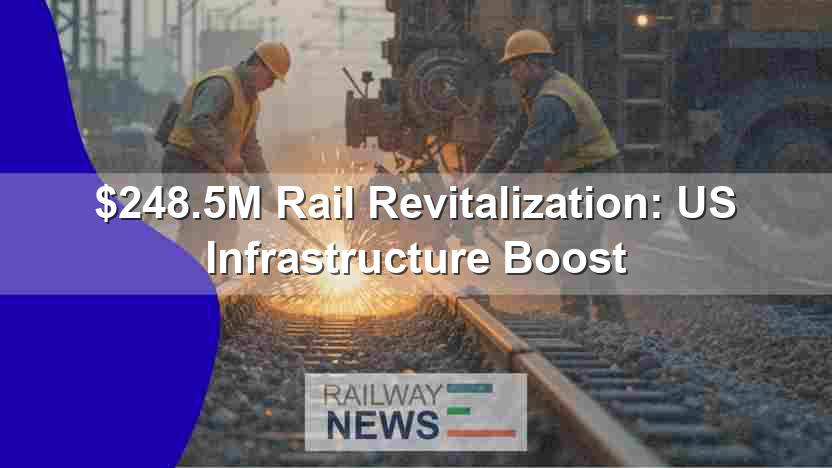
The revitalization of America’s railroad infrastructure is paramount to ensuring economic competitiveness and fostering sustainable community growth. This article explores a significant investment of $248.5 million in federal grants, allocated under the Consolidated Rail Infrastructure and Safety Improvements (CRISI) program, to bolster 32 vital railroad projects spanning 27 states. This substantial injection of capital aims to modernize aging rail lines, enhance safety measures, and stimulate economic activity in both urban and rural regions. The allocation process, the types of projects funded, and the broader implications for the nation’s rail network will be analyzed in detail. The ultimate goal is to demonstrate how targeted infrastructure investments can significantly impact economic development, transportation efficiency, and the overall well-being of communities across the United States. This examination will also explore the strategic placement of projects within Opportunity Zones (OZs), highlighting the potential for synergistic development and economic revitalization in underserved areas.
Strategic Infrastructure Investments: A National Perspective
The $248.5 million CRISI grant program represents a proactive approach to addressing the critical need for infrastructure upgrades within the nation’s rail system. The selection of 32 projects across 27 states reflects a commitment to nationwide improvement, ensuring that both densely populated urban areas and sparsely populated rural communities benefit from these vital investments. This geographically diverse allocation underscores the importance of a robust and interconnected rail network for the nation’s economic health. The funding targets a range of essential improvements, including track upgrades, bridge rehabilitation, signal system modernization, and the enhancement of grade crossings – all crucial components of a safe and efficient rail system. These targeted investments are designed to not only improve safety but also increase operational efficiency, reducing delays and fostering smoother freight and passenger transportation.
Focus on Safety and Efficiency: Project Highlights
Several key projects funded highlight the multifaceted nature of the CRISI program. A rural freight rail project spanning Kansas and Oklahoma received up to $27 million to address critical track infrastructure needs, including rail replacement, bridge repairs, and improvements to grade crossings. This investment directly addresses the challenges of maintaining efficient freight transport in less densely populated regions. Meanwhile, the $17.49 million allocated to the Windsor Locks Station improvement project in Connecticut focuses on enhancing passenger rail services by constructing a new ADA (Americans with Disabilities Act)-compliant intercity station with level boarding platforms. This demonstrates a commitment to improving accessibility and passenger comfort. Other significant projects include the rehabilitation of the Merchants Bridge in Missouri ($21.45 million) and the Muskego Yard Bypass project in Wisconsin ($26.6 million), both aimed at enhancing capacity and efficiency within the national rail network.
The Role of Opportunity Zones in Economic Revitalization
A notable aspect of the CRISI program is the strategic inclusion of 15 projects located within federally designated Opportunity Zones. These zones are designed to attract private investment into economically distressed communities, creating jobs and stimulating growth. By strategically locating infrastructure projects within OZs, the CRISI program leverages the potential for synergistic development. The infrastructure upgrades serve as a catalyst for further investment, creating a positive feedback loop that benefits local economies and improves the overall quality of life in these underserved areas. This integration of infrastructure development with economic development strategies is a significant aspect of the program’s overall success.
Administrative Oversight and Future Implications
The US Department of Transportation’s (USDOT) Federal Railroad Administration (FRA) administers the CRISI grant program, ensuring transparency and accountability in the allocation and disbursement of funds. The FRA’s oversight is critical in ensuring that the projects are executed efficiently and effectively, delivering on their intended objectives. This program’s success demonstrates the potential for targeted government investment to significantly impact the nation’s rail infrastructure. The widespread positive impact on both rural and urban communities, combined with the strategic use of Opportunity Zones, serves as a model for future infrastructure initiatives. This model emphasizes the importance of a holistic approach that integrates safety, efficiency, and economic development goals for creating a more resilient and robust national rail network.
Conclusion
The $248.5 million investment in the 32 railroad projects through the CRISI program represents a significant step towards modernizing and enhancing the safety of the US rail infrastructure. The strategic allocation of funds across 27 states, focusing on both rural and urban areas, reflects a commitment to nationwide improvement. The inclusion of projects within Opportunity Zones further underscores the program’s broader aim of stimulating economic growth and revitalizing underserved communities. The diverse range of projects—from rural freight line upgrades to the construction of modern, ADA-compliant passenger stations—highlights the detailed approach taken to address the multifaceted challenges facing the nation’s rail network. The projects funded showcase crucial improvements in track infrastructure, bridge rehabilitation, signal system modernization, and grade crossing enhancements. These advancements not only increase efficiency and reduce delays but also significantly enhance safety, protecting both railway workers and the general public. The successful implementation and monitoring of these projects, under the vigilant oversight of the FRA, will serve as a benchmark for future infrastructure development initiatives, demonstrating the critical link between strategic investments and the overall economic and social well-being of the nation. The continued commitment to such initiatives is vital for ensuring the continued competitiveness and sustainable growth of the United States.

Railway infrastructure, rolling stock and transport technologies specialist focused on global rail industry developments, high-speed rail systems, signaling technologies and freight transportation. Covering railway investments, public transport modernization, rail operations and international mobility projects across Europe, Asia and North America.
RELATED POSTS

September 5, 2026 4:19 pm
CPK launched formal tender talks with four consortia to design...

September 5, 2026 7:14 pm
HS2 Ltd signed renegotiated civils contracts with EKFB and Align...

September 6, 2026 4:12 am
Alstom delivered the first of 100 new G Class trams...
September 5, 2026 6:17 pm
Universal Signalling won a deal to install its U-Cross system...
September 6, 2026 8:17 am
DB InfraGO reopened the Nuremberg-Regensburg line in Bavaria on 31...
September 7, 2026 11:16 pm
China Railway Tunnel Group completed the 11.3-km underwater Yangtze tunnel...