
Indian Railways: COVID-19 Crisis Management Case Study
The Indian Railways faced significant challenges as it suspended passenger services due to the COVID-19 pandemic, leading to financial implications for both passengers and the network, while simultaneously ensuring essential cargo operations continued to maintain national supply chains.
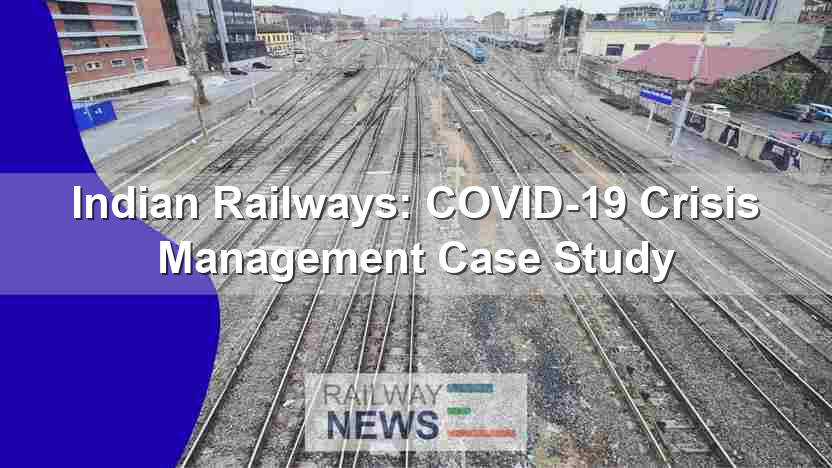
The Impact of the COVID-19 Pandemic on Indian Railways: A Case Study in Crisis Management
The COVID-19 pandemic presented unprecedented challenges to global transportation systems, and the Indian Railways (IR), one of the world’s largest railway networks, was no exception. This article examines the IR’s response to the crisis, focusing on the suspension of passenger services, the subsequent financial implications, and the innovative adaptation strategies employed. We will explore the decision-making processes behind the suspension, the logistical complexities of managing such a vast network during a lockdown, and the long-term effects on the IR’s operations and financial stability. The analysis will delve into the measures taken to mitigate the impact on passengers and the broader economic consequences of the shutdown, ultimately highlighting the resilience and adaptability of the Indian Railways in the face of a global health emergency.
Suspension of Passenger Services and its Ramifications
In response to the escalating COVID-19 pandemic and the subsequent nationwide lockdown imposed by the Indian government, the Indian Railways took the drastic but necessary step of suspending all passenger train operations, including Premium trains, Mail/Express trains, suburban services, and operations on lines such as the Kolkata Metro Rail and Konkan Railway. This unprecedented action aimed to curb the spread of the virus by significantly reducing the movement of people across the country. The decision, while crucial for public health, had immediate and far-reaching consequences on the IR’s finances, employee welfare, and the millions of daily commuters who relied on its services. The temporary closure of booking counters and the shift to online cancellations and refunds created new operational challenges.
Maintaining Essential Cargo Operations
While passenger services were halted, the IR recognized the critical need to maintain the movement of essential goods and supplies across the nation. Freight trains continued to operate, ensuring the supply chains for food, medical equipment, and other necessities remained functional. This demonstrated a crucial aspect of the IR’s role in national infrastructure, its ability to adapt its operations to prioritize vital services during a time of crisis. The effective management of freight operations underscored the IR’s logistical capabilities and its importance in maintaining the country’s economic stability.
Financial Implications and Passenger Support Measures
The suspension of passenger services had a significant impact on the IR’s revenue streams. The loss of ticket sales, coupled with the cost of maintaining infrastructure and employee salaries, placed considerable strain on the organization’s finances. However, the IR implemented measures to mitigate the financial hardship experienced by passengers. Full online refunds were offered for cancelled tickets, and provisions were made for offline refunds at a later date. This commitment to passenger welfare, alongside the operational adjustments, showed the IR’s commitment to its customers during a challenging period. The financial implications of the lockdown required strategic planning and financial resources, potentially necessitating government support and long-term financial restructuring plans.
Adapting to the Crisis: Innovation and Resourcefulness
The pandemic spurred innovation within the IR. The repurposing of train coaches into COVID-19 isolation wards demonstrated the organization’s capacity for quick adaptation and resourcefulness. This innovative approach to crisis management showcased the IR’s potential to contribute to the national healthcare response beyond its core transportation function. Additionally, the implementation of stringent sanitation protocols and safety measures for freight operations highlighted the commitment to ensuring both employee and public safety.
Conclusions
The COVID-19 pandemic forced the Indian Railways to confront an unprecedented crisis. The decision to suspend passenger services, while difficult, was crucial in containing the virus’s spread. The continued operation of freight trains underscored the IR’s vital role in national infrastructure and its ability to prioritize essential services. The financial implications were substantial, but the IR’s commitment to providing refunds to passengers and its innovative adaptation strategies, such as converting train coaches into isolation wards, demonstrated its resilience and ability to respond to unforeseen challenges. The experience serves as a case study in large-scale crisis management within a critical national infrastructure organization. The IR’s response highlights the importance of robust contingency planning, the ability to rapidly adapt operational strategies, and the value of prioritizing both public health and the economic needs of the nation. While the financial recovery will require significant effort, the IR’s actions during the pandemic also demonstrated its potential to evolve and serve the nation in unexpected ways. This crisis ultimately exposed both the vulnerabilities and the strengths of the IR, shaping its future operational strategies and reinforcing its fundamental role in India’s social and economic fabric.

Railway infrastructure, rolling stock and transport technologies specialist focused on global rail industry developments, high-speed rail systems, signaling technologies and freight transportation. Covering railway investments, public transport modernization, rail operations and international mobility projects across Europe, Asia and North America.
RELATED POSTS

September 5, 2026 4:19 pm
CPK launched formal tender talks with four consortia to design...

September 6, 2026 4:12 am
Alstom delivered the first of 100 new G Class trams...

September 5, 2026 7:14 pm
HS2 Ltd signed renegotiated civils contracts with EKFB and Align...
September 6, 2026 8:17 am
DB InfraGO reopened the Nuremberg-Regensburg line in Bavaria on 31...
September 5, 2026 6:17 pm
Universal Signalling won a deal to install its U-Cross system...
September 6, 2026 12:20 pm
Indian Railways ordered a probe after a fire destroyed 2...