
MTA’s COVID Response: Capital Projects & Safety
The Metropolitan Transportation Authority accelerated its capital projects in New York City due to reduced ridership during the pandemic, focusing on $2 billion worth of investments that included rehabilitating the F Train’s Rutgers Tube and upgrading ADA compliant stations, while also implementing enhanced sanitation and safety protocols.
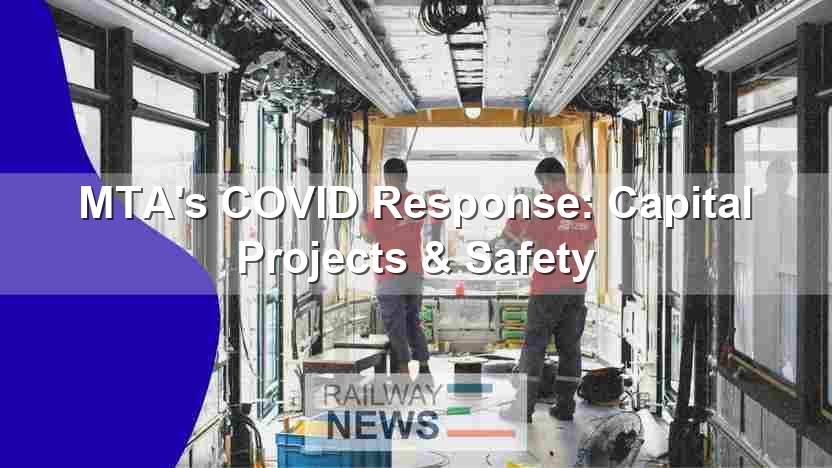
The COVID-19 pandemic presented unprecedented challenges to public transportation systems globally, forcing agencies to adapt their operations and capital plans. This article examines the Metropolitan Transportation Authority’s (MTA) response to the crisis in New York City, focusing on its strategic acceleration of capital projects amidst reduced ridership. We will delve into the specific projects undertaken, the rationale behind the accelerated timeline, and the broader implications for infrastructure management during periods of public health emergencies. Additionally, the article analyzes the MTA’s approach to sanitation and safety protocols implemented to mitigate the spread of the virus within its transit network. Finally, we’ll consider the long-term impacts of this experience on future infrastructure planning and emergency preparedness within the mass transit sector. The success of the MTA’s response offers valuable lessons for other urban transit systems worldwide facing similar circumstances.
Accelerated Capital Projects During a Pandemic
Facing drastically reduced ridership due to COVID-19 lockdowns and social distancing measures, the MTA seized the opportunity to accelerate its capital improvement program. This strategic move, involving a $2 billion investment, allowed for significant advancements in crucial projects with minimal disruption to commuters. The reduced passenger numbers minimized inconvenience caused by construction activities, providing a unique window for expedited progress. Key projects included the rehabilitation of the F Train’s Rutgers Tube, upgrades to 11 ADA (Americans with Disabilities Act) compliant stations, and the complete overhaul of the 138th Street Grand Concourse Station. Further work encompassed the vital repair of steel and concrete defects and leaks along the Eastern Parkways Line in Brooklyn, addressing critical infrastructure deficiencies.
Enhanced Sanitation and Safety Protocols
Simultaneously, the MTA implemented rigorous sanitation and safety protocols to ensure the health and safety of essential workers and remaining passengers. Since May 6th, 2020, the agency performed over 30,000 station cleanings and disinfections, along with a staggering 500,000 subway car cleanings and disinfecting procedures. This commitment to hygiene was complemented by the distribution of over one million masks, 25,000 gallons of sanitizer, and 500,000 two-ounce sanitizer bottles. These actions not only aimed to contain the spread of the virus but also to restore public confidence in the safety of using public transportation.
Strategic Decision-Making and Resource Allocation
The MTA’s response demonstrates the importance of strategic decision-making and efficient resource allocation in managing infrastructure projects during unforeseen crises. The ability to adapt to changing circumstances and leverage opportunities presented by reduced ridership proved crucial in advancing crucial infrastructure improvements. The prioritization of critical repairs and accessibility upgrades highlights a commitment to long-term system resilience and the needs of all commuters. The proactive approach to sanitation and safety demonstrated a clear understanding of the public health imperative.
Lessons Learned and Future Implications
The MTA’s experience provides valuable insights for other transit agencies worldwide. The strategic use of reduced ridership periods for expedited capital projects demonstrates the potential for optimizing infrastructure maintenance and upgrades. The rigorous implementation of sanitation protocols underscores the vital role of public health measures in maintaining transit service during a pandemic. Additionally, the success of the MTA’s response underscores the need for robust contingency planning and flexible resource allocation to mitigate the impact of future unforeseen events. The lessons learned regarding communication, public confidence building, and the seamless integration of critical maintenance and improvements are crucial for future transit system resilience and preparedness.
Conclusions
The MTA’s response to the COVID-19 pandemic showcased remarkable adaptability and strategic foresight. By accelerating capital projects amidst reduced ridership, the agency made significant strides in improving its infrastructure while minimizing disruption to commuters. The simultaneous implementation of rigorous sanitation and safety protocols reassured the public and protected essential workers. This coordinated approach demonstrated a crucial blend of strategic planning, efficient resource management, and a deep understanding of public health needs. The success of the MTA’s response offers a compelling case study for other urban transit authorities, highlighting the importance of proactively integrating crisis preparedness into long-term infrastructure planning and highlighting the potential for efficient capital project delivery during periods of reduced demand. The lessons learned from this experience are invaluable, emphasizing the need for resilient infrastructure, robust contingency planning, and effective communication to build and maintain public trust during challenging times. The integration of public health considerations into infrastructure management is no longer optional, but a crucial element for the continued success and sustainability of public transit systems globally. The MTA’s experience stands as a testament to the possibility of transforming crisis into opportunity, advancing critical infrastructure improvements while prioritizing the health and safety of its communities.

Railway infrastructure, rolling stock and transport technologies specialist focused on global rail industry developments, high-speed rail systems, signaling technologies and freight transportation. Covering railway investments, public transport modernization, rail operations and international mobility projects across Europe, Asia and North America.
RELATED POSTS

September 5, 2026 4:19 pm
CPK launched formal tender talks with four consortia to design...

September 5, 2026 7:14 pm
HS2 Ltd signed renegotiated civils contracts with EKFB and Align...

September 6, 2026 4:12 am
Alstom delivered the first of 100 new G Class trams...
September 5, 2026 6:17 pm
Universal Signalling won a deal to install its U-Cross system...
September 6, 2026 8:17 am
DB InfraGO reopened the Nuremberg-Regensburg line in Bavaria on 31...
September 7, 2026 11:16 pm
China Railway Tunnel Group completed the 11.3-km underwater Yangtze tunnel...