
TranzAlpine’s Return: NZ Rail’s Recovery Strategy
The resumption of the TranzAlpine train service by KiwiRail following its temporary closure due to the COVID-19 pandemic signifies a crucial step in New Zealand’s tourism sector recovery, connecting Christchurch and Greymouth while offering an attractive one-way fare for domestic travelers. The decision reflects strategic prioritization, balancing financial risks with operational costs during uncertain times, focusing on maximizing revenue streams and local economic benefits.
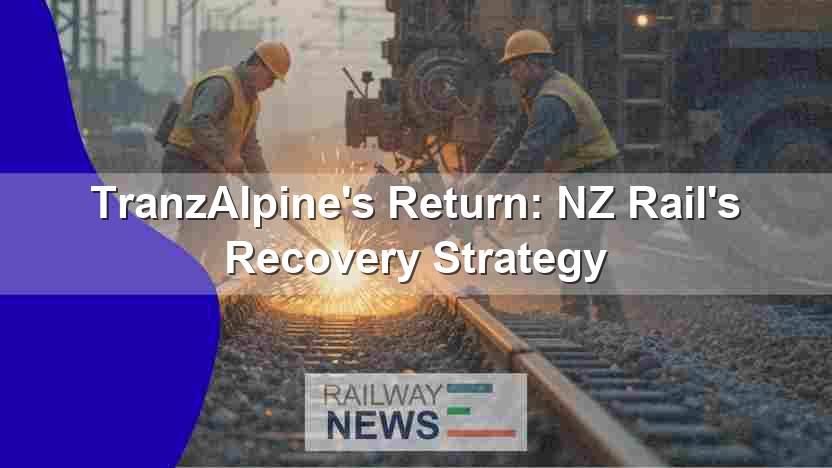
This article examines the resumption of the TranzAlpine train service by KiwiRail (New Zealand’s state-owned railway company) following its temporary closure due to the COVID-19 pandemic. The analysis explores the strategic decision-making behind the resumption, the economic implications for the West Coast region, the challenges faced by KiwiRail in operating its various passenger rail services, and the broader context of New Zealand’s tourism industry and its recovery from the pandemic. The discussion also explores the financial viability of different rail lines, comparing the TranzAlpine’s seemingly stronger position to the uncertainties surrounding the Coastal Pacific and Northern Explorer services. Finally, the article will assess KiwiRail’s ongoing infrastructure investment and its impact on the overall efficiency and sustainability of the rail network.
The Resumption of TranzAlpine Service
KiwiRail’s decision to restart the TranzAlpine service, connecting Christchurch and Greymouth, signifies a crucial step in the recovery of New Zealand’s tourism sector. The service, renowned internationally as one of the world’s most scenic rail journeys, primarily caters to international tourists. The initial resumption focused on weekends and school holidays in July and August, a strategic approach to gauge domestic demand while international borders remained closed. This phased approach minimized financial risk while prioritizing the economic benefits for the West Coast, a region heavily reliant on tourism. The decision reflects a focus on maximizing revenue streams and balancing operational costs during uncertain times. The NZD75 one-way fare, while subject to change, offered an attractive price point for domestic travelers.
Economic Impact and Regional Significance
The TranzAlpine’s importance to the West Coast economy cannot be overstated. The line brings tourists to a region largely dependent on tourism revenues, stimulating local businesses like accommodation providers, restaurants, and tour operators. The resumption of the service provided a crucial lifeline to these businesses, particularly during a period of reduced international travel. The reliance on tourism highlights the vulnerability of such regions and underscores the significance of supporting infrastructure projects that benefit local economies.
Financial Viability and Strategic Prioritization
KiwiRail’s operational decisions reflect a strategic prioritization. While the TranzAlpine has shown a relatively strong position, other services have presented more challenges. The Coastal Pacific (Picton-Christchurch) operates only seasonally, indicating inherent limitations. The Northern Explorer (Auckland-Wellington) is explicitly labeled as financially unviable, reflecting the significant operational costs associated with long-distance passenger rail in a sparsely populated country. This highlights the difficulties of operating a profitable passenger rail network outside of major metropolitan areas, where high ridership may not always offset the considerable infrastructural maintenance and operating costs.
Infrastructure Investments and Future Outlook
KiwiRail’s commitment to upgrading the Northland Line demonstrates a longer-term strategy focused on improving the efficiency and reliability of the network. This investment is essential for attracting riders and maintaining competitiveness against other modes of transportation. Improvements in journey times and reliability directly impact customer satisfaction and thus, future revenue streams. These enhancements contribute to the overall sustainability of the rail network and enable KiwiRail to adapt to evolving transportation needs and increasing demand.
Conclusions
The resumption of the TranzAlpine service by KiwiRail represents more than just the return of a scenic train journey; it signifies a strategic response to economic challenges and a commitment to regional development. The phased approach to restarting operations demonstrated a careful balance between reviving a crucial tourist attraction and managing financial risk. The contrasting financial situations of the TranzAlpine, Coastal Pacific, and Northern Explorer routes highlight the complexities involved in operating a passenger rail network, particularly in a geographically diverse country like New Zealand. The ongoing investment in infrastructure upgrades underscores a commitment to long-term sustainability and the importance of competitive and reliable rail services. The future of KiwiRail’s passenger rail operations will depend on factors such as the recovery of international tourism, successful adaptation to shifting travel patterns, and continuing investment in infrastructure to ensure the efficiency and competitiveness of the network. The success of this strategically-important line will provide valuable insights for developing long-term strategies for maintaining a viable and sustainable rail passenger network in New Zealand. The carefully measured, phased approach taken with the TranzAlpine suggests a pragmatic approach that prioritizes financial stability alongside the vital economic support to the West Coast, serving as a case study in balanced rail network management.

Railway infrastructure, rolling stock and transport technologies specialist focused on global rail industry developments, high-speed rail systems, signaling technologies and freight transportation. Covering railway investments, public transport modernization, rail operations and international mobility projects across Europe, Asia and North America.
RELATED POSTS

September 5, 2026 4:19 pm
CPK launched formal tender talks with four consortia to design...

September 5, 2026 7:14 pm
HS2 Ltd signed renegotiated civils contracts with EKFB and Align...

September 6, 2026 4:12 am
Alstom delivered the first of 100 new G Class trams...
September 6, 2026 8:17 am
DB InfraGO reopened the Nuremberg-Regensburg line in Bavaria on 31...
September 5, 2026 6:17 pm
Universal Signalling won a deal to install its U-Cross system...
September 6, 2026 12:20 pm
Indian Railways ordered a probe after a fire destroyed 2...