
NYC Subway Overhaul: D, N, R Line Upgrade
The Metropolitan Transportation Authority (MTA) is modernizing New York City’s D, N, and R subway lines with a critical infrastructure upgrade project scheduled for October 2020, aiming to enhance reliability, safety, and operational efficiency through track switch replacements, extensive repairs, and improved drainage systems.
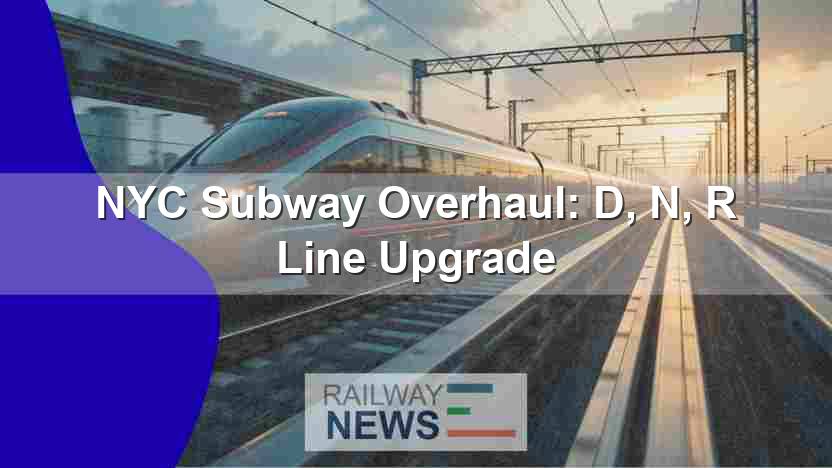
The Metropolitan Transportation Authority (MTA) in New York City is undertaking a crucial infrastructure improvement project on the D, N, and R subway lines. This initiative, scheduled for execution in October 2020, aims to significantly enhance the reliability, safety, and operational efficiency of these vital transit lines serving Brooklyn, The Bronx, Manhattan, and Queens. This article will delve into the specifics of this modernization effort, examining the rationale behind the project, the scope of work involved, and the long-term benefits for commuters. We will also consider the impact of the COVID-19 pandemic on the timing and execution of these crucial upgrades and address the strategic planning considerations involved in such large-scale infrastructure projects within a densely populated urban environment.
The Urgent Need for Subway Line Modernization
The D, N, and R lines, like many aging subway systems worldwide, suffer from deferred maintenance and the wear and tear associated with decades of heavy use. The current infrastructure presents significant challenges, including frequent delays caused by aging track switches (points), track degradation, and inadequate drainage systems. These issues negatively impact passenger experience, leading to increased travel times, discomfort, and a diminished overall perception of transit reliability. The replacement of outdated track switches is particularly critical, as these components are responsible for directing trains between local and express tracks. Inefficient switching mechanisms contribute significantly to delays, operational inefficiencies, and potential safety concerns. Addressing these shortcomings is vital to improving both the quality and safety of service.
Scope of the Improvement Works
The MTA’s improvement plan encompasses a range of critical upgrades, focusing primarily on three key areas:
- Track Switch Replacement: The replacement of aging track switches with modern, high-performance components is paramount. This upgrade will significantly improve the reliability of train switching operations, reducing delays and improving overall system fluidity.
- Track Repairs: Extensive track repairs are included, focusing on addressing sections showing significant wear or damage. This ensures improved ride quality and reduces the risk of derailments or other safety-related incidents.
- Drainage System Improvements: Cleaning and upgrading the drainage system is essential for preventing water accumulation on the tracks, which can lead to corrosion, track degradation, and potential signal malfunctions.
Further, the project includes crucial inspections of the Manhattan Bridge, a critical infrastructure component supporting these lines. These inspections are necessary to ensure the structural integrity of the bridge and to identify any potential maintenance needs.
Strategic Timing and Pandemic Impact
The MTA strategically scheduled these improvements for weekends in October 2020, a period characterized by relatively low ridership due to the ongoing COVID-19 pandemic. This approach minimizes disruption to commuters while maximizing the efficiency of the construction work. While ridership was approximately 33% to 50% of pre-pandemic levels, it was low enough to permit the major trackwork to occur with less impact to everyday services. The reduced passenger volume during the pandemic provides a unique opportunity to complete extensive upgrades with minimal disruption to the daily commute.
Long-Term Benefits and Conclusion
The successful completion of this infrastructure upgrade program will yield significant long-term benefits for New York City commuters and the overall transportation system. The replacement of aging track switches and track repairs will lead to improved reliability, reducing delays and increasing operational efficiency. Enhanced drainage systems will contribute to a safer and more durable rail infrastructure. The strategic use of the lower ridership period during the pandemic demonstrates effective planning and resource allocation. The project builds on the success of similar recent initiatives such as the Union Square track project, illustrating a commitment to continuous system modernization. The MTA’s dedication to improving its infrastructure, even amidst the challenges posed by the COVID-19 pandemic, underlines the importance of investing in resilient and efficient public transit. This modernization effort is crucial for supporting New York City’s economic recovery and providing a reliable and safe transportation network for years to come. The successful execution of this project highlights the importance of proactive maintenance and long-term strategic planning in maintaining efficient and reliable public transportation systems in large metropolitan areas. The work underscores the MTA’s commitment to providing a consistently improved and modernized service for the benefit of the city’s residents.

Railway infrastructure, rolling stock and transport technologies specialist focused on global rail industry developments, high-speed rail systems, signaling technologies and freight transportation. Covering railway investments, public transport modernization, rail operations and international mobility projects across Europe, Asia and North America.
RELATED POSTS

September 5, 2026 4:19 pm
CPK launched formal tender talks with four consortia to design...

September 6, 2026 4:12 am
Alstom delivered the first of 100 new G Class trams...

September 5, 2026 7:14 pm
HS2 Ltd signed renegotiated civils contracts with EKFB and Align...
September 5, 2026 6:17 pm
Universal Signalling won a deal to install its U-Cross system...

September 6, 2026 8:17 am
DB InfraGO reopened the Nuremberg-Regensburg line in Bavaria on 31...
September 7, 2026 11:16 pm
China Railway Tunnel Group completed the 11.3-km underwater Yangtze tunnel...