
Delhi Metro’s 800th MOVIA Car: Bombardier’s Impact
Bombardier delivers 800th MOVIA car to Delhi Metro. 2,960 passengers per 8‑car train. 100% local ‘Make in India’ production for Lines 2,3,4.
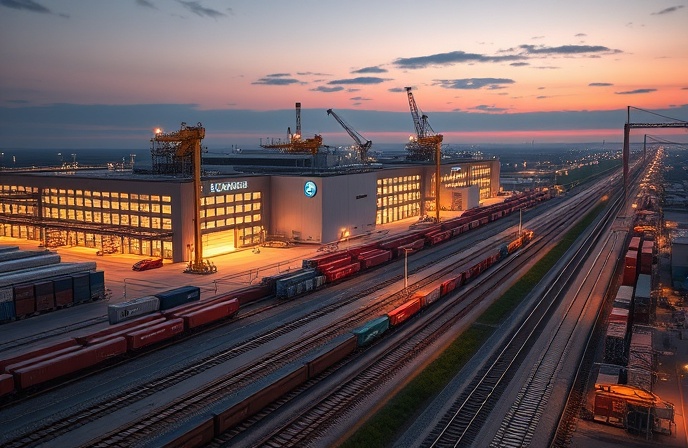
This article explores the significant contribution of Bombardier Transportation to the Delhi Metro Rail Corporation (DMRC)’s expansion and operational success, focusing on the milestone delivery of the 800th MOVIA metro car. The Delhi Metro, a cornerstone of India’s infrastructure development, showcases a remarkable example of rapid transit system growth and technological advancement. This analysis explores the technological innovations embedded within the MOVIA metro cars, the strategic partnership between DMRC and Bombardier, and the broader implications for India’s “Make in India” initiative. The successful implementation of this project highlights the importance of effective public-private partnerships in delivering efficient and sustainable mass transit solutions, emphasizing both technological prowess and localization efforts. We will examine the technological specifications of the MOVIA cars, the logistical aspects of their production and deployment, and the overall impact on Delhi’s transportation network and its citizens.
Technological Advancements in the MOVIA Metro Cars
The 800th MOVIA metro car delivered to DMRC represents a significant technological achievement. These vehicles incorporate cutting-edge technologies designed to enhance passenger comfort, operational efficiency, and environmental sustainability. Key features include the BOMBARDIER MITRAC propulsion and control system, known for its advanced power management and energy efficiency. This system optimizes energy consumption, reducing the overall operational costs and the carbon footprint of the trains. Additionally, the incorporation of BOMBARDIER FLEXX Metro 3000 bogies contributes to improved ride comfort and reduced noise levels. These bogies, designed for high-speed operation and stability, ensure a smooth and quiet journey for passengers. The high passenger capacity, accommodating up to 740 passengers per car, demonstrates a commitment to addressing the transportation needs of Delhi’s rapidly growing population. When configured into eight-car trainsets, the capacity increases to 2,960 passengers, significantly easing congestion on the city’s busiest lines.
The DMRC-Bombardier Partnership: A Model for Public-Private Collaboration
The long-standing partnership between DMRC and Bombardier, dating back to 2007, exemplifies the benefits of effective public-private collaboration in infrastructure development. This collaboration has not only resulted in the delivery of state-of-the-art rolling stock but also contributed significantly to the expansion of Delhi’s metro network. Bombardier’s expertise in rolling stock manufacturing and signaling systems has been instrumental in DMRC’s rapid expansion, allowing for the timely completion of projects and the integration of advanced technologies. The successful implementation of the BOMBARDIER CITYFLO mass transit signaling solution across over 140 km of lines (Lines 5, 6, 7, and 9) underscores the reliability and efficiency of this technology. This partnership demonstrates a successful model for leveraging private sector expertise to meet the challenges of rapidly expanding urban transportation networks.
“Make in India” Initiative and Local Manufacturing
The indigenous manufacturing of the MOVIA metro cars is a significant success for India’s “Make in India” initiative (a government initiative to boost domestic manufacturing). The production of these vehicles at Bombardier’s Savli facility near Vadodara highlights the potential for domestic manufacturing to meet the demands of large-scale infrastructure projects. This local production not only creates jobs and boosts the local economy but also reduces reliance on imports, fostering self-reliance in the transportation sector. The high degree of local content in the manufacturing process demonstrates India’s growing capabilities in advanced manufacturing and technology integration. This achievement showcases the potential for India to become a global leader in the production of advanced rolling stock.
Conclusion
The delivery of the 800th MOVIA metro car marks a significant milestone in the ongoing collaboration between DMRC and Bombardier. This partnership has been instrumental in expanding and modernizing Delhi’s metro network, providing a reliable and efficient transportation system for millions of commuters. The integration of advanced technologies, such as the BOMBARDIER MITRAC propulsion and control system and BOMBARDIER FLEXX Metro 3000 bogies, has enhanced operational efficiency, passenger comfort, and environmental sustainability. The success of this project underscores the importance of robust public-private partnerships in infrastructure development. Additionally, the emphasis on local manufacturing and the contribution to the “Make in India” initiative highlights the potential for domestic manufacturing to play a central role in India’s future infrastructure development. The project’s success serves as a compelling case study for other developing nations facing similar challenges in expanding their urban transportation networks. The seamless integration of advanced technologies with a focus on local manufacturing capabilities has resulted in a highly efficient and sustainable mass transit solution, demonstrating a replicable model for future development projects worldwide. The collaboration highlights the potential for transformative impact when technological innovation meets strategic public-private partnerships and a commitment to localized production. This achievement strengthens India’s position as a leader in advanced rail technology and manufacturing, paving the way for future advancements in the country’s rapidly evolving transportation sector.

Transport and railway industry editor covering global rail infrastructure, sustainable mobility, urban transit systems and next-generation railway technologies with a focus on accessible and industry-focused reporting.
RELATED POSTS

October 1, 2026 7:09 am
United States regulators confirmed a September 30 deadline for the...
October 1, 2026 10:14 am
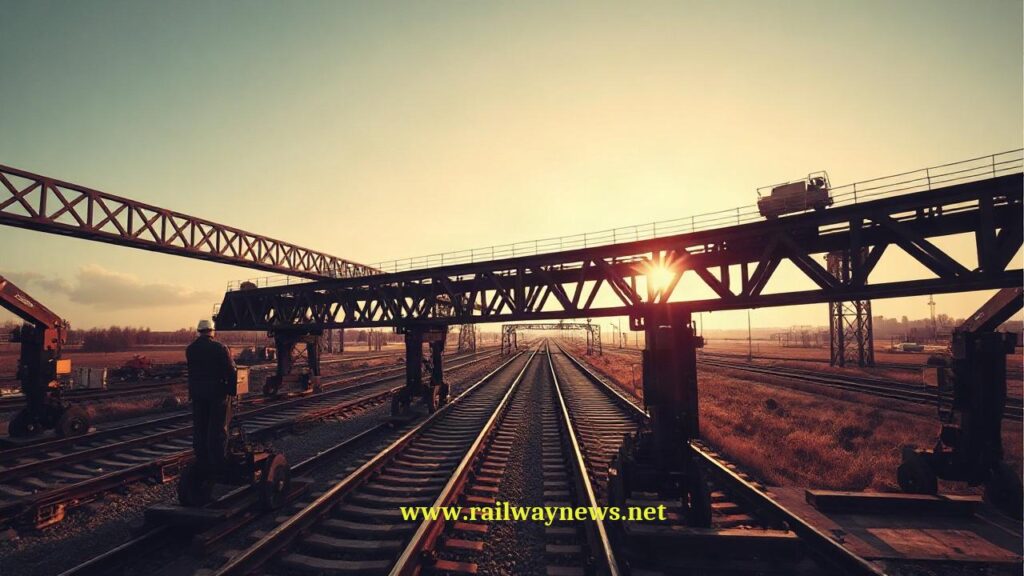
HS2 installed a 55-metre steel span in Birmingham, completing phase...

October 1, 2026 9:10 am
Transpennine Route Upgrade launched a £270,000 fund on 28 September,...
October 1, 2026 11:13 am
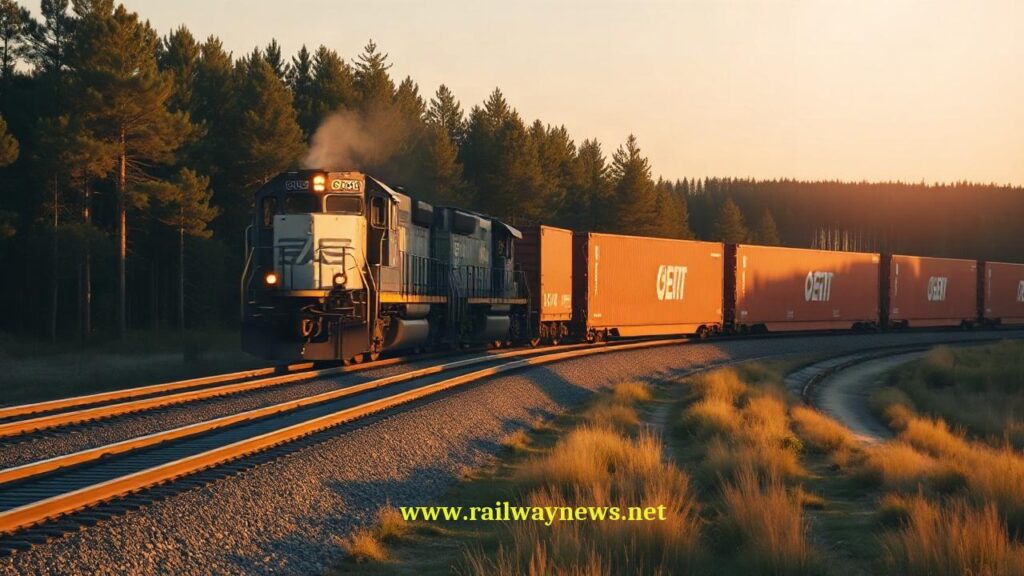
Norfolk Southern expanded its 3B Corridor in Alabama in 2025,...
October 1, 2026 2:12 pm
Pittsburgh Regional Transit secured an $82.8 million FTA grant to...
October 1, 2026 1:12 pm
CSX expanded Queensgate Yard in Cincinnati by installing 42 power...