
Hydrogen Trains: Green Revolution on Rails
Hydrogen-powered trains are poised as an environmentally friendly alternative due to technological advancements in hydrogen storage, but require significant infrastructure development for widespread adoption.
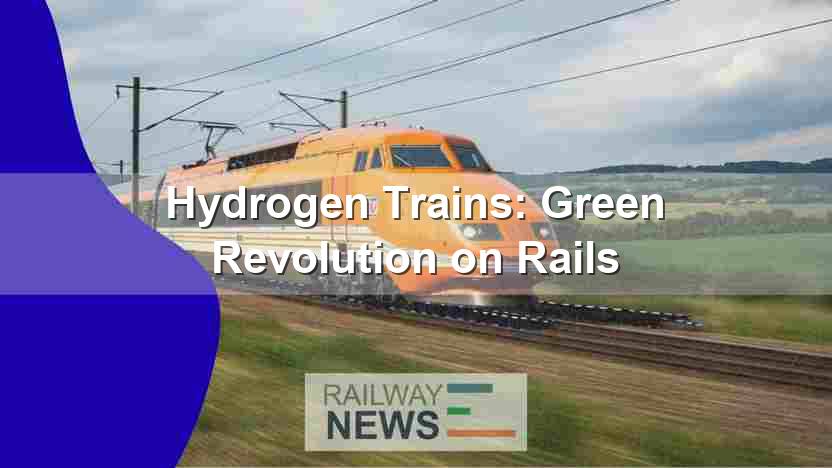
The global transportation sector faces increasing pressure to reduce its carbon footprint. While electrification of rail lines is a significant step forward, it requires substantial infrastructure investment and is not always feasible in all geographical locations. This article explores the emerging role of hydrogen-powered trains as a viable and environmentally friendly alternative to traditional diesel locomotives, focusing on technological advancements, particularly in hydrogen storage, and the necessary infrastructure development to support the wider adoption of this technology. We will examine a specific case study involving a US-based project to highlight the current state of development and the challenges ahead for this innovative transportation solution. The growing demand for sustainable transportation solutions necessitates a thorough understanding of the capabilities, limitations, and logistical considerations associated with hydrogen-powered trains.
Hydrogen Storage: A Crucial Component
The efficient and safe storage of hydrogen is paramount to the success of hydrogen-powered trains. High-pressure composite cylinders are currently the leading technology in this field. Companies like Hexagon Purus are at the forefront of this technology, developing and supplying these crucial components for rolling stock manufacturers. The design and certification of these cylinders are subject to rigorous safety standards, given the highly flammable nature of hydrogen. Further research and development focus on improving storage density and reducing the weight of these cylinders, leading to increased efficiency and range for hydrogen-powered trains.
The Stadler FLIRT H2 and the US Market Entry
Stadler Rail, a prominent rolling stock manufacturer, has taken a significant step towards introducing hydrogen trains into the US market. Their FLIRT H2 (Flirt Hydrogen) model, capable of speeds up to 130 km/h (approximately 80 mph), represents a significant technological advancement. The collaboration with Hexagon Purus underscores the importance of partnerships between component suppliers and train manufacturers in bringing this technology to fruition. The project highlights the challenges associated with international collaboration, including regulatory approvals and the logistical complexities of transporting and commissioning the train in a new market.
Infrastructure Requirements for Hydrogen Fueling
The successful integration of hydrogen-powered trains requires a supporting infrastructure capable of reliably fueling these locomotives. This involves establishing a network of hydrogen refueling stations, strategically located along rail lines. The development of such infrastructure requires significant investment and planning, including considerations for hydrogen production, storage, and distribution. Additionally, the safety protocols associated with handling hydrogen fuel need to be meticulously implemented and enforced to minimize risks. This includes ensuring the proper training and certification of personnel involved in the refueling process.
Conclusion
The adoption of hydrogen-powered trains represents a significant leap towards a more sustainable future for the rail industry. While challenges remain, particularly in the development of detailed refueling infrastructure and the optimization of hydrogen storage technology, the recent advancements demonstrate the growing viability of this solution. The Stadler FLIRT H2 project in the US, enabled by partnerships like the one between Stadler Rail and Hexagon Purus for hydrogen cylinder supply, showcases a pathway for the broader integration of hydrogen-powered trains. Successful deployment necessitates continued technological innovation, strategic investment in fueling infrastructure, and proactive regulatory support. The potential environmental benefits, coupled with the reduced reliance on diesel fuel, position hydrogen trains as a crucial element of future rail transport systems. Ongoing research and development focused on improving storage capacity, reducing costs, and enhancing the safety of hydrogen handling will accelerate the transition towards a cleaner, more efficient, and sustainable railway sector. The success of this transition depends on the collaborative efforts of manufacturers, infrastructure providers, and regulatory bodies, ensuring a smooth and widespread adoption of this groundbreaking technology.

Railway infrastructure, rolling stock and transport technologies specialist focused on global rail industry developments, high-speed rail systems, signaling technologies and freight transportation. Covering railway investments, public transport modernization, rail operations and international mobility projects across Europe, Asia and North America.
RELATED POSTS

September 5, 2026 4:19 pm
CPK launched formal tender talks with four consortia to design...

September 6, 2026 4:12 am
Alstom delivered the first of 100 new G Class trams...

September 5, 2026 7:14 pm
HS2 Ltd signed renegotiated civils contracts with EKFB and Align...
September 5, 2026 6:17 pm
Universal Signalling won a deal to install its U-Cross system...
September 6, 2026 8:17 am
DB InfraGO reopened the Nuremberg-Regensburg line in Bavaria on 31...
September 6, 2026 12:20 pm
Indian Railways ordered a probe after a fire destroyed 2...