
Kano-Maradi Railway: A New Era for African Rail
The Kano-Maradi railway project, a $1.8 billion initiative connecting Nigeria to Niger, represents a significant shift in African infrastructure development by diversifying financing sources beyond traditional Chinese involvement, aiming to stimulate regional economic growth and enhance trade links while reshaping Nigeria’s role as a regional export hub.
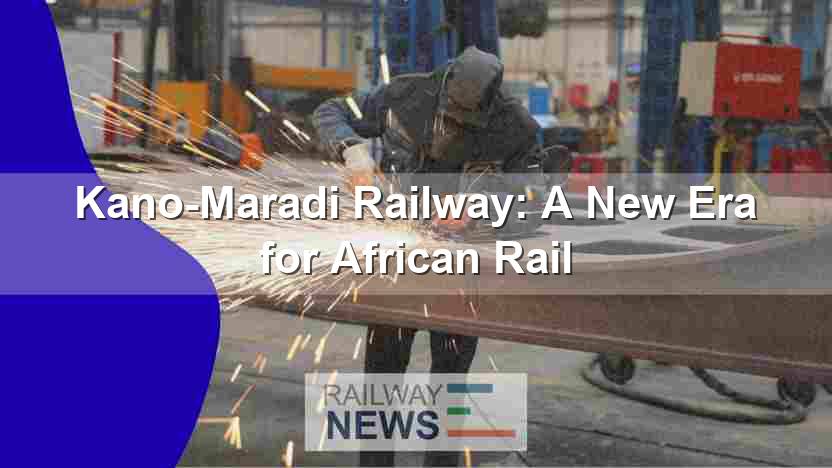
This article examines the significant Kano-Maradi railway project, a $1.8 billion undertaking connecting Kano, Nigeria, to Maradi, Niger. This initiative represents a noteworthy shift in the landscape of African railway development, marking a departure from the traditionally dominant Chinese involvement in such projects. The project’s implications extend beyond simple infrastructure development; it promises to stimulate regional economic growth, enhance trade links, and potentially redefine Nigeria’s role as a regional export hub. We will delve into the project’s scope, financing mechanisms, potential economic benefits, and the broader geopolitical context in which it unfolds. A critical analysis will assess the potential challenges and long-term sustainability of this ambitious endeavor, considering the complexities of infrastructure development in West Africa.
Project Scope and Specifications
The 283km standard-gauge railway line will link Kano, Nigeria, to Maradi, Niger, traversing several Nigerian cities including Danbatta, Kazaure, Daura, Mashi, Katsina, and Jibiya. The project’s specifications include a capacity exceeding three million passengers and one million tonnes of freight annually. This ambitious undertaking signifies a significant investment in regional connectivity and modernizes the transportation infrastructure in a region historically reliant on less efficient modes of transport. The use of standard gauge (as opposed to the narrower gauges found in some existing Nigerian lines) ensures interoperability with future regional rail projects and facilitates seamless cargo transit.
Financing and Partnerships
Unlike many recent African rail projects primarily funded by Chinese entities, the Kano-Maradi railway is significantly financed through a consortium of European institutions and commercial banks. Key players include Credit Suisse Group, Africa Finance Corporation, and the German development bank, KfW (Kreditanstalt für Wiederaufbau). This diverse funding structure leverages expertise and resources from multiple sources, mitigating reliance on a single financier and potentially fostering more sustainable long-term project management. The involvement of export credit agencies and multilateral institutions further underscores the international confidence in the project’s viability and strategic importance.
Economic and Geopolitical Impacts
The economic implications are far-reaching. The railway will significantly reduce transportation costs and times for both passengers and freight, facilitating the movement of goods to and from the Nigerian coast. This enhanced connectivity should foster economic growth in the region, creating jobs, stimulating trade, and integrating previously isolated communities. Beyond the immediate economic effects, the project holds geopolitical significance. It underscores Nigeria’s role in regional development and strengthens its strategic partnerships with European nations. The project’s success could serve as a model for future infrastructure development in Africa, potentially attracting more foreign investment in the sector.
Challenges and Sustainability
Despite its potential, the project faces several challenges. Securing and managing the necessary land acquisition for the railway’s right-of-way can present significant logistical and social hurdles. Ensuring the long-term operational efficiency and maintenance of the railway will require substantial ongoing investment and capacity building within Nigeria and Niger. The project’s success depends on addressing these ongoing maintenance needs to ensure its long-term sustainability. Effective security measures along the route will also be critical for safeguarding the railway’s infrastructure and ensuring the safety of passengers and freight.
Conclusion
The Kano-Maradi railway project represents a significant investment in trans-African infrastructure and a departure from traditional financing models. The project’s $1.8 billion price tag reflects its scale and ambition, aiming to significantly improve connectivity between Nigeria and Niger. The participation of European financial institutions, including Credit Suisse, the Africa Finance Corporation, and KfW, demonstrates a shift in the funding landscape for large-scale African infrastructure projects. While the project promises substantial economic benefits, including reduced transportation costs and enhanced trade, its long-term success hinges on several factors. Effective management of land acquisition, robust operational maintenance plans, and ongoing security measures are crucial for ensuring its sustainability and maximizing its positive impact. The project’s success will not only benefit Nigeria and Niger but could also serve as a catalyst for further regional integration and foreign investment in African infrastructure. Careful monitoring and evaluation of the project’s progress are essential to understand its full potential and address any emerging challenges effectively. This successful execution could serve as a template for future large-scale infrastructure projects across Africa, highlighting the potential for collaboration between African nations and international partners.

Railway infrastructure, rolling stock and transport technologies specialist focused on global rail industry developments, high-speed rail systems, signaling technologies and freight transportation. Covering railway investments, public transport modernization, rail operations and international mobility projects across Europe, Asia and North America.
RELATED POSTS

September 5, 2026 4:19 pm
CPK launched formal tender talks with four consortia to design...

September 6, 2026 4:12 am
Alstom delivered the first of 100 new G Class trams...

September 5, 2026 7:14 pm
HS2 Ltd signed renegotiated civils contracts with EKFB and Align...
September 5, 2026 6:17 pm
Universal Signalling won a deal to install its U-Cross system...
September 6, 2026 8:17 am
DB InfraGO reopened the Nuremberg-Regensburg line in Bavaria on 31...
September 6, 2026 12:20 pm
Indian Railways ordered a probe after a fire destroyed 2...