
MTR’s Real-Time Rail Monitoring: A Safety Revolution
MTR’s iSPS: GPS+RFID real-time monitoring for light rail, alerts for speed limits & hazards. Boosting Hong Kong’s rail safety & efficiency.
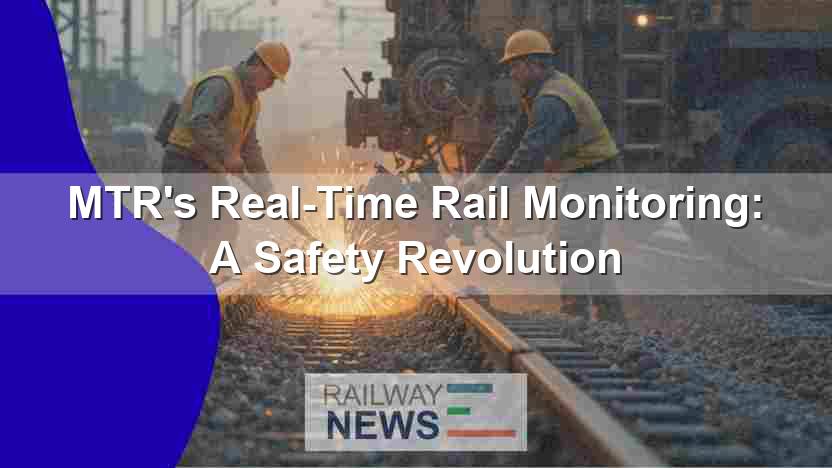
This article examines the implementation and benefits of a real-time track performance monitoring system within the Mass Transit Railway (MTR) network in Hong Kong. The MTR Corporation’s proactive approach, driven by a recent Light Rail Vehicle (LRV) derailment, highlights the critical role of advanced technology in enhancing railway safety, reliability, and operational efficiency. We will explore the system’s functionality, its phased rollout across the MTR network, and its contribution to preventative maintenance strategies. The analysis will delve into the specifics of data analysis, predictive maintenance, and the overall improvement in service reliability resulting from this technological upgrade. The discussion will also address the broader implications of adopting similar systems for other railway operators globally, emphasizing the crucial balance between technological investment and the imperative of prioritizing passenger safety.
Real-Time Track Monitoring: Enhancing Safety and Efficiency
The MTR Corporation’s decision to expand its real-time track performance monitoring system underscores a commitment to proactive safety management. The system, currently deployed on the East Rail Line, continuously assesses track conditions throughout operational hours. This continuous monitoring goes beyond traditional periodic inspections, allowing for the detection of subtle deviations from optimal track parameters, such as gauge widening or reduced lubrication – factors identified as contributing to the August 29th LRV derailment.
The system leverages data analytics to identify emerging issues. This allows maintenance teams to respond swiftly, enabling timely preventative maintenance and minimizing the risk of major incidents. The early detection capability reduces the likelihood of cascading failures and ensures a smoother, more reliable passenger service.
Phased Rollout and System Integration
Recognizing the benefits of this technology, the MTR Corporation is implementing a phased rollout of the system across its entire network within two years. This phased approach allows for controlled deployment, system integration testing, and effective training of maintenance personnel. The initial implementation on the Light Rail system, starting with two LRVs, reflects a focused effort to address the specific vulnerabilities highlighted by the derailment investigation. The subsequent expansion to other lines will ensure detailed coverage across the entire MTR network.
Data Analytics and Predictive Maintenance
The core strength of the system lies in its data analytics capabilities. The collected data provides crucial insights into track health, allowing for the identification of trends and potential problems before they escalate into major issues. This predictive maintenance approach optimizes resource allocation, minimizes downtime, and significantly reduces the overall cost of maintenance in the long run. The continuous monitoring also provides valuable feedback for refining maintenance procedures and improving the overall reliability of the track infrastructure.
Lessons Learned and Future Implications
The MTR Corporation’s response to the LRV derailment exemplifies best practices in railway safety management. The swift investigation, the implementation of remedial measures, and the adoption of advanced monitoring technology showcase a proactive and forward-thinking approach. The lessons learned from this incident have broader implications for the railway industry worldwide. Investing in real-time monitoring systems, coupled with robust data analytics, represents a significant step toward improving railway safety and operational efficiency. The successful implementation of this system within the MTR network provides a compelling case study for other operators considering similar upgrades, emphasizing the importance of proactive safety measures and the significant return on investment offered by such technologies.
Conclusions
The MTR Corporation’s expansion of its real-time track performance monitoring system marks a significant advancement in railway safety and operational efficiency. Following an incident involving a Light Rail Vehicle (LRV) derailment, attributed to gauge widening and reduced lubrication, the corporation swiftly launched an investigation and subsequently implemented several crucial improvements. Key improvements include a phased rollout of the monitoring system across the entire network, enhanced maintenance procedures, and an increased frequency of rail lubrication. The system, currently operational on the East Rail Line, continuously monitors track conditions throughout service hours, enabling the early detection of deviations in critical parameters through sophisticated data analytics.
This proactive approach to maintenance allows for timely interventions, minimizing the risk of major incidents and ensuring a smoother, more reliable passenger service. The phased rollout, beginning with the installation of the monitoring system in two LRVs by the end of March (2021) and expanding across the network within two years, underscores the MTR Corporation’s commitment to upgrading safety and efficiency. The data analysis tools enable predictive maintenance, allowing for optimal resource allocation and reducing overall maintenance costs. The experience of the MTR Corporation provides valuable insights for other railway operators globally, showcasing the effectiveness of integrating advanced monitoring technologies to prevent accidents and improve the reliability of rail networks. The emphasis on safety, combined with the strategic implementation of new technologies, serves as a model for enhancing overall railway performance and prioritizing passenger safety worldwide. The MTR Corporation’s actions highlight a commitment to continuous improvement, demonstrating the positive impact of embracing technological advancements in railway infrastructure management.

Transport and railway industry editor covering global rail infrastructure, sustainable mobility, urban transit systems and next-generation railway technologies with a focus on accessible and industry-focused reporting.
RELATED POSTS

September 5, 2026 4:19 pm
CPK launched formal tender talks with four consortia to design...

September 6, 2026 4:12 am
Alstom delivered the first of 100 new G Class trams...

September 5, 2026 7:14 pm
HS2 Ltd signed renegotiated civils contracts with EKFB and Align...
September 19, 2026 11:19 am
China launched an experimental 1.11-tonne maglev test sled to 800...
September 7, 2026 4:15 pm
Zimbabwe approved the EUR 3 billion Harare Light Rail project,...
September 5, 2026 6:17 pm
Universal Signalling won a deal to install its U-Cross system...