
Thailand’s High-Speed Rail: A Deep Dive
The Thai-Sino high-speed rail project involves significant financial investment and intricate logistical planning, with phased rollout and strategic infrastructure development focusing on efficient contract management, collaboration between Thai and Chinese entities, and meticulous attention to detail in construction and operations, all aimed at ensuring the project’s success and its impact on Thailand’s national railway network.

This article explores the complexities of the Thai-Sino high-speed rail project, a significant undertaking connecting Bangkok and Nakhon Ratchasima. The project, a collaborative effort between Thailand and China, involves substantial financial investment and intricate logistical planning. We will explore the project’s phased rollout, examining the contract awards for civil engineering and rail systems, the strategic planning behind the project’s infrastructure, and finally, we will analyze the broader economic and logistical implications for Thailand’s national railway network. The project’s success hinges on efficient contract management, effective collaboration between Thai and Chinese entities, and meticulous attention to detail in construction and subsequent operations. Understanding these aspects is crucial for assessing the project’s feasibility and its potential impact on Thailand’s transportation infrastructure and economic development. The analysis presented aims to provide a detailed overview, shedding light on the challenges and opportunities presented by this ambitious undertaking.
Contract Awards and Project Phases
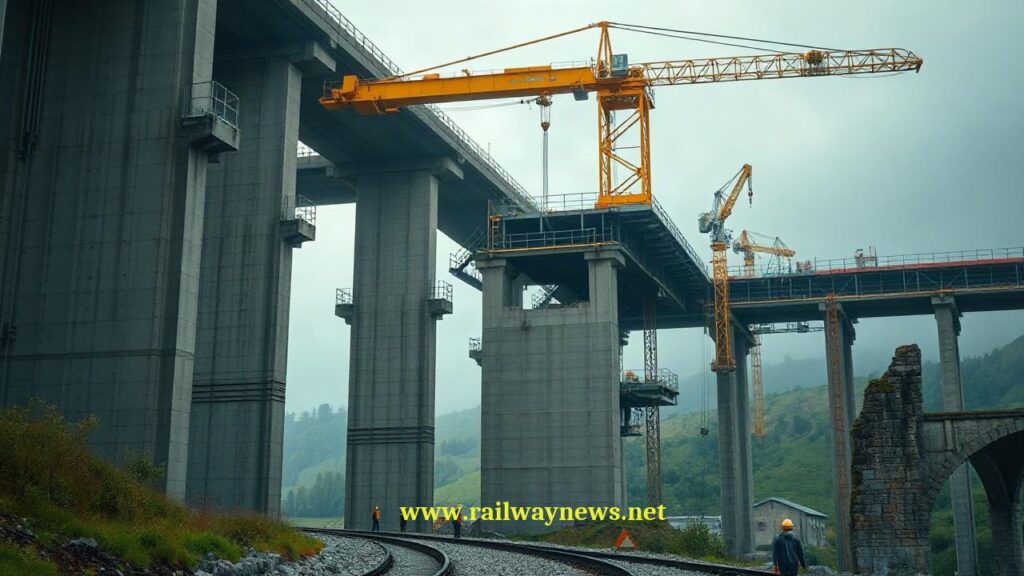
The Thai government’s decision to award contracts in phases demonstrates a strategic approach to managing this large-scale project. The initial three contracts focused on critical sections of the line, including civil engineering works along the Nava Nakhon-Ban Pho section, rail engineering works along the Phra Kaew-Saraburi section, and the construction of a crucial maintenance depot at Chiang Rak Noi. This phased approach allows for early progress and risk mitigation. Subsequent contracts, covering sections like Ban Pho-Phra Kaew and Bang Sue-Don Muang, will follow a similar process, ensuring that all aspects of the project are handled methodically and efficiently. This staged approach allows for continuous monitoring and adjustment, enhancing the project’s overall success rate. The careful sequencing of these contracts, coupled with transparent bidding processes, underscores the government’s commitment to ensuring accountability and efficiency.
Infrastructure and Technological Considerations
The Thai-Sino high-speed rail project is not merely about laying tracks; it’s about integrating advanced technology to create a modern and efficient rail system. The integration of Intelligent Transportation Systems (ITS) will be crucial in enhancing operational efficiency, safety, and passenger experience. This includes features such as centralized train control systems, real-time monitoring of train performance, and automated signaling systems. The successful implementation of these ITS elements will be instrumental in maximizing the effectiveness and reliability of the high-speed rail service. Additionally, the design and construction of the line must adhere to the highest safety standards, ensuring passenger comfort and security. This necessitates careful consideration of track alignment, signaling technology, and overall system integration.
Economic Impact and National Railway Network Integration
The economic implications of the Thai-Sino high-speed rail project are substantial. The project will create numerous jobs, boost the local economy, and improve regional connectivity within Thailand. The improved transport links will facilitate trade and tourism, contributing significantly to economic growth. However, successful integration into Thailand’s existing railway network is crucial. This will require careful planning and coordination to ensure seamless connectivity between the high-speed line and other rail services. A well-integrated network maximizes the benefits of the new infrastructure, allowing passengers and freight to move efficiently across the country. Additionally, the project’s success will hinge on effective management of the various stakeholder interests, including government agencies, private contractors, and local communities.
Collaboration and Project Management
The collaboration between Thailand and China is a key aspect of the project’s success. This necessitates a clear division of responsibilities and a collaborative approach to problem-solving. Effective communication and coordination between the two countries are paramount, ensuring that the project stays on schedule and within budget. Additionally, robust project management practices are essential for overseeing the complex array of tasks involved. This includes meticulous monitoring of progress, proactive risk management, and efficient resolution of any disputes or challenges. Transparent and efficient communication channels between all stakeholders will be instrumental in keeping the project on track and minimizing potential disruptions.
Conclusions
The Thai-Sino high-speed rail project represents a significant investment in Thailand’s infrastructure and future. The phased rollout of contracts, focusing on key sections of the line and the inclusion of a maintenance depot, demonstrates a strategic approach to managing this complex undertaking. The project’s success hinges upon seamless integration of advanced Intelligent Transportation Systems (ITS), ensuring efficiency and safety. Beyond the immediate construction phase, long-term success demands effective integration into Thailand’s existing railway network to maximize economic benefits and seamless connectivity. The collaborative aspect of the Thai-Chinese partnership is vital, requiring effective communication and problem-solving mechanisms. Ultimately, the project’s success will be judged not only on its timely completion but also on its long-term sustainability, its contribution to national economic growth, and its ability to transform Thailand’s transportation landscape, stimulating regional development and fostering greater connectivity within the country. The careful planning, meticulous execution, and proactive management showcased in the phased approach to contract awarding suggest a positive outlook for this ambitious project, provided that ongoing collaboration, technological integration, and economic considerations remain at the forefront of the project’s management.

Railway infrastructure, rolling stock and transport technologies specialist focused on global rail industry developments, high-speed rail systems, signaling technologies and freight transportation. Covering railway investments, public transport modernization, rail operations and international mobility projects across Europe, Asia and North America.
RELATED POSTS

September 5, 2026 4:19 pm
CPK launched formal tender talks with four consortia to design...
September 5, 2026 7:14 pm
HS2 Ltd signed renegotiated civils contracts with EKFB and Align...

September 6, 2026 4:12 am
Alstom delivered the first of 100 new G Class trams...
September 6, 2026 8:17 am
DB InfraGO reopened the Nuremberg-Regensburg line in Bavaria on 31...
September 5, 2026 6:17 pm
Universal Signalling won a deal to install its U-Cross system...
September 6, 2026 12:20 pm
Indian Railways ordered a probe after a fire destroyed 2...