
Singapore’s JRL Stations JS9 & JS10: A $241M MRT Expansion Case Study
The construction of stations JS9 and JS10 on the Jurong Region Line (JRL) in Singapore’s mass rapid transit expansion showcases a commitment to efficient urban development through large-scale infrastructure projects, highlighting key aspects such as design, construction challenges, technological integration, and broader implications for transportation.
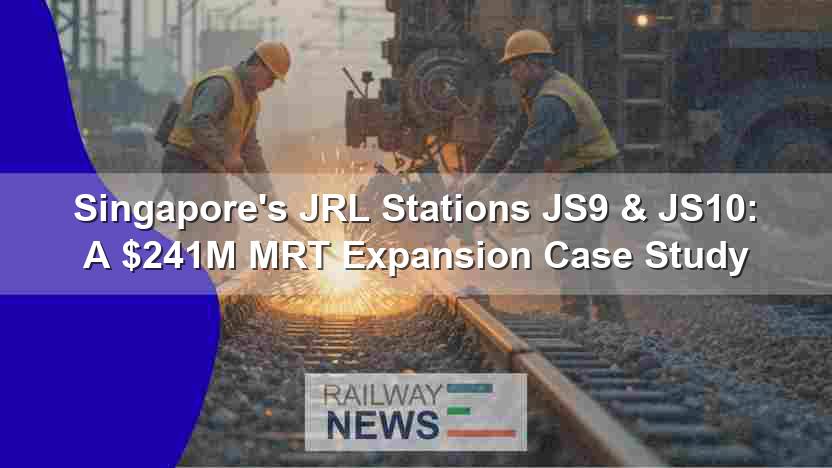
Singapore’s ongoing expansion of its Mass Rapid Transit (MRT) network exemplifies a commitment to efficient and sustainable urban development. This article explores a significant project within this expansion: the construction of stations JS9 and JS10 on the Jurong Region Line (JRL). Awarded to China Harbour (Singapore) Engineering Company, this $241 million contract highlights key aspects of large-scale infrastructure projects, including design, construction challenges, technological integration, and the broader implications for Singapore’s transportation landscape. The project’s significance extends beyond the construction of two stations and a viaduct; it represents a crucial step in enhancing connectivity to underserved areas in western Singapore, stimulating economic growth, and shaping the future of urban mobility within the country. We will examine the complexities of this undertaking, exploring the engineering challenges, the project timeline, and its impact on the surrounding community and the wider transportation network.
Station Design and Construction: Engineering Challenges
The contract encompasses the design and construction of stations JS9 and JS10, along with a 1.5km elevated viaduct traversing Jurong Central Park and Jalan Boon Lay. The elevated nature of the line presents unique engineering challenges, particularly in navigating the existing urban landscape and minimizing disruption to surrounding areas. Considerations such as minimizing environmental impact, utilizing sustainable construction practices, and ensuring structural integrity under various environmental conditions are paramount. The design must also account for anticipated passenger volumes, incorporating efficient passenger flow, accessibility features for persons with disabilities, and integration with other modes of transportation. The selection of materials and construction techniques will be crucial in meeting these multifaceted requirements, ensuring both operational efficiency and long-term durability.
Project Timeline and Implementation
The project is scheduled for completion by 2029, with construction commencing in May 2021. This timeline demands meticulous planning and efficient execution. Effective project management, encompassing resource allocation, risk assessment, and mitigation strategies, is crucial to meeting deadlines and staying within budget. The integration of various stakeholders, including the Land Transport Authority (LTA), the contractor, and various regulatory bodies, is also critical. Regular monitoring and evaluation of progress, coupled with proactive problem-solving, will be essential to ensuring the project remains on track. Potential delays due to unforeseen circumstances, such as adverse weather conditions or material shortages, must be anticipated and accounted for in the project’s contingency plans.
Impact on Connectivity and Economic Development
The JRL aims to improve connectivity in western Singapore, serving areas such as Nanyang Technological University (NTU), the Jurong Industrial Estate, the Jurong Innovation District, Pandan Reservoir, and the future Tengah area. These areas previously lacked direct rail access, hindering accessibility and potentially impacting economic growth. The JRL’s completion will significantly improve accessibility to these key areas, fostering economic activity and enhancing the quality of life for residents. This improved connectivity is likely to attract investment, create job opportunities, and stimulate further development in the region. The project’s impact extends beyond transportation, contributing to the overall urban development and economic strategy of Singapore.
Integration with Existing and Future Transportation Infrastructure
Successful integration of the JRL with existing and future transportation networks is paramount. This necessitates careful coordination with other ongoing and planned infrastructure projects. Seamless interchange facilities with other MRT lines and bus services will be vital in providing commuters with efficient and convenient travel options. The design must ensure compatibility with current and future Intelligent Transportation Systems (ITS), such as real-time passenger information systems and integrated ticketing solutions. This interconnected approach optimizes the overall efficiency of the transportation network and enhances the overall commuter experience.
Conclusions
The construction of stations JS9 and JS10 on the Jurong Region Line represents a significant undertaking in Singapore’s ongoing commitment to expanding its public transportation infrastructure. The project’s success hinges on meticulous planning, efficient execution, and effective integration with the broader transportation network. The $241 million contract awarded to China Harbour (Singapore) Engineering Company reflects the scale and complexity of this endeavor. The project’s challenges include navigating the existing urban landscape, managing the project timeline effectively, and ensuring seamless integration with other transportation systems. However, the long-term benefits are substantial, including improved connectivity to underserved areas, stimulation of economic development, and enhancement of the overall quality of life for residents in western Singapore. The completion of the JRL, and particularly stations JS9 and JS10, will contribute significantly to Singapore’s reputation as a globally leading example of sustainable and efficient urban planning, showcasing the effective integration of engineering expertise, strategic planning, and a commitment to sustainable urban development.
The successful completion of this project will not only provide much-needed transportation solutions for residents and businesses in western Singapore but will also serve as a model for future MRT expansions, demonstrating the synergy between effective project management, innovative engineering solutions, and the long-term vision for a connected and prosperous city-state. The integration of advanced technologies and sustainable practices highlights Singapore’s commitment to building a future-ready transportation infrastructure, ready for the challenges and opportunities of a rapidly developing urban environment. The focus on seamless integration with existing and future transportation networks ensures a holistic approach to mobility, further solidifying Singapore’s reputation as a leader in urban transportation planning and execution. The broader economic implications of the project will further enhance the appeal of the region, attracting further investment and stimulating economic growth, ultimately contributing to the overall prosperity of Singapore.

Railway infrastructure, rolling stock and transport technologies specialist focused on global rail industry developments, high-speed rail systems, signaling technologies and freight transportation. Covering railway investments, public transport modernization, rail operations and international mobility projects across Europe, Asia and North America.
RELATED POSTS

September 5, 2026 4:19 pm
CPK launched formal tender talks with four consortia to design...

September 5, 2026 7:14 pm
HS2 Ltd signed renegotiated civils contracts with EKFB and Align...

September 6, 2026 4:12 am
Alstom delivered the first of 100 new G Class trams...
September 6, 2026 8:17 am
DB InfraGO reopened the Nuremberg-Regensburg line in Bavaria on 31...
September 5, 2026 6:17 pm
Universal Signalling won a deal to install its U-Cross system...
September 6, 2026 12:20 pm
Indian Railways ordered a probe after a fire destroyed 2...