
Ferrari’s F1 Green Shift: Rail’s Impact on Logistics
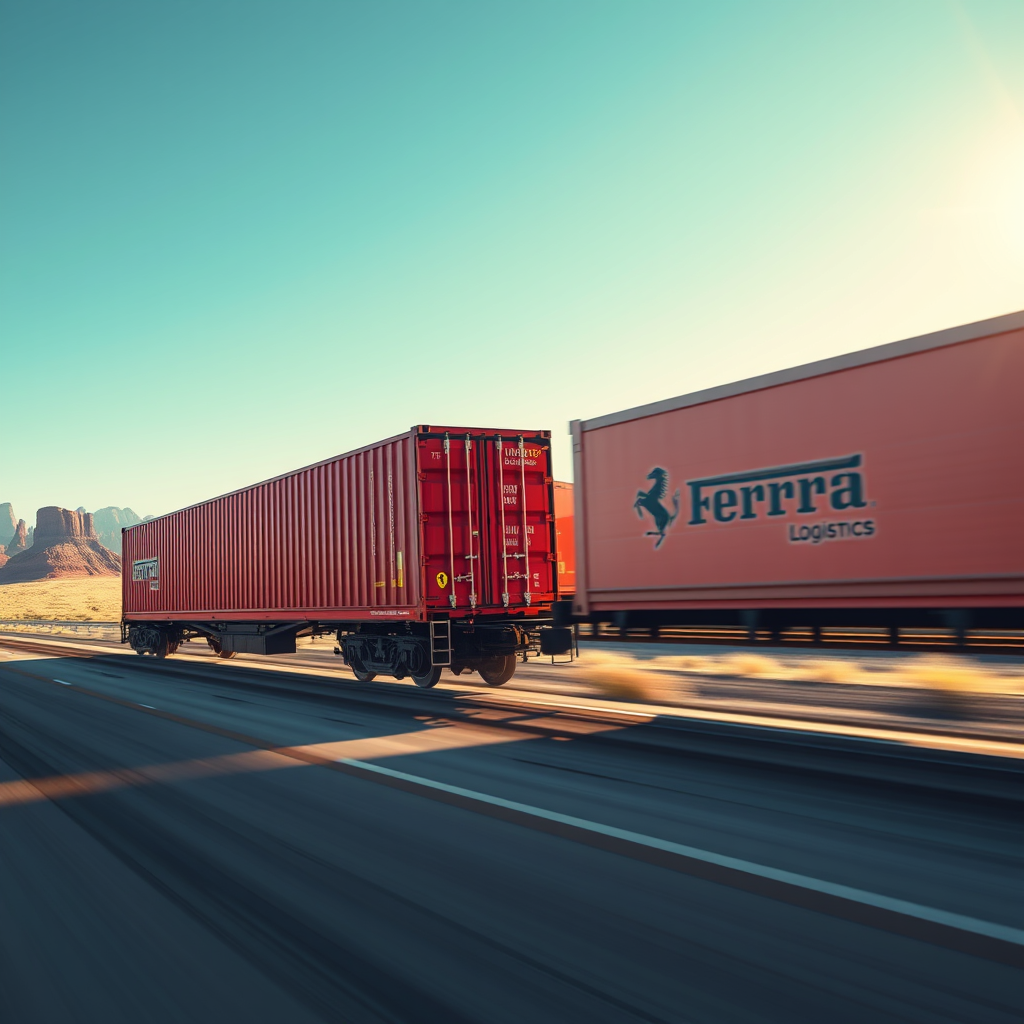
Scuderia Ferrari’s collaboration with CEVA Logistics resulted in a significant shift from traditional air freight to rail transport for Formula 1 equipment across North America, showcasing the potential for substantial carbon emission reductions within high-pressure professional motorsports logistics.
The Sustainable Shift in Formula 1 Logistics: A Case Study of Scuderia Ferrari’s Rail Transport Initiative
The global impact of transportation on the environment is undeniable, and the logistics sector is under increasing pressure to reduce its carbon footprint. This article examines a pioneering initiative undertaken by Scuderia Ferrari and CEVA Logistics (a subsidiary of CMA CGM), highlighting the successful implementation of rail freight for transporting Formula 1 (F1) equipment across North America. This case study demonstrates a significant shift from traditional air freight, showcasing the potential for substantial carbon emission reductions within the high-pressure environment of professional motorsports. The analysis will explore the logistical challenges overcome, the environmental benefits achieved, and the broader implications for the future of sustainable transportation within the motorsport industry and beyond. The integration of intermodal transport – utilizing both rail and road transport – will also be examined as a key element of this successful strategy.
Rail Freight: A Sustainable Solution for F1 Logistics
Traditionally, the rapid movement of sensitive F1 equipment between global race weekends has relied heavily on air freight, resulting in significant carbon emissions. However, Scuderia Ferrari’s collaboration with CEVA Logistics has resulted in the strategic adoption of rail freight for transporting equipment between three North American races in 2023: the Canadian Grand Prix, the US Grand Prix in Texas, and the inaugural Las Vegas Grand Prix. This decision represents a substantial paradigm shift, prioritizing sustainability without compromising the stringent logistical demands of F1 racing.
Overcoming Logistical Challenges: Integrating Intermodal Solutions
The successful implementation of rail freight for F1 logistics necessitated overcoming several challenges. The transportation of six 45-ton (45,000 kg) equipment kits, packed into 53-foot (16-meter) containers, across vast distances—over 4,000 miles (6,400 kilometers) between Montreal and Las Vegas—required meticulous planning and coordination. CEVA Logistics leveraged its expertise in intermodal transport, seamlessly integrating rail transport with other modes as needed to ensure timely delivery. This involved precise scheduling, efficient container handling, and careful consideration of potential disruptions along the chosen route. The successful completion of this complex undertaking underscores the capabilities of intermodal logistics in meeting the demands of even the most time-critical and geographically dispersed operations.
Environmental Impact and Sustainability Goals
The primary driver behind the shift to rail freight was the desire to significantly reduce Scuderia Ferrari’s environmental impact. Compared to air freight, rail transport resulted in a remarkable 90% reduction in carbon emissions for the Montreal-to-Las Vegas leg. Even when compared to an all-road trucking option, rail transport demonstrated a 32% reduction in emissions. This substantial decrease aligns directly with Scuderia Ferrari’s broader sustainability goals, which include the use of ethanol fuel in 2023, a transition to biofuels by 2026, and a commitment to net-zero carbon emissions by 2030. The success of this initiative serves as a compelling demonstration of the significant environmental gains achievable through strategic transportation choices within the motorsport industry.
Conclusions: A Blueprint for Sustainable Logistics
The partnership between Scuderia Ferrari and CEVA Logistics exemplifies a successful model for integrating sustainability into high-stakes logistics operations. The decision to prioritize rail freight for the transportation of F1 equipment across North America has demonstrated significant environmental benefits, achieving up to a 90% reduction in carbon emissions compared to air freight and 32% compared to road transport. This success hinges on effective intermodal logistics, demonstrating the seamless integration of various transportation modes to overcome logistical challenges and ensure timely delivery. The initiative’s impact extends beyond the Formula 1 industry, highlighting the potential for significant emission reductions across numerous sectors through the strategic adoption of more environmentally-friendly transportation options. The commitment from both Scuderia Ferrari and CEVA Logistics demonstrates a proactive approach to sustainability, aligning with broader industry trends and underscoring the feasibility of ambitious environmental goals within high-performance, globally-dispersed operations. This case study serves as a valuable blueprint for other organizations seeking to minimize their carbon footprint and contribute to a more sustainable future. The success of this pilot project should encourage further investment in and adoption of rail freight and other sustainable transportation methods across multiple industries, demonstrating a path towards more environmentally conscious and responsible logistics practices globally. Additionally, the ongoing commitment to exploring and implementing further sustainable solutions emphasizes a long-term vision that extends beyond this single initiative, shaping a future where sustainability is not just a goal, but a core component of business operations.

Railway infrastructure, rolling stock and transport technologies specialist focused on global rail industry developments, high-speed rail systems, signaling technologies and freight transportation. Covering railway investments, public transport modernization, rail operations and international mobility projects across Europe, Asia and North America.
RELATED POSTS

September 5, 2026 4:19 pm
CPK launched formal tender talks with four consortia to design...

September 5, 2026 7:14 pm
HS2 Ltd signed renegotiated civils contracts with EKFB and Align...

September 6, 2026 4:12 am
Alstom delivered the first of 100 new G Class trams...
September 6, 2026 8:17 am
DB InfraGO reopened the Nuremberg-Regensburg line in Bavaria on 31...
September 6, 2026 12:20 pm
Indian Railways ordered a probe after a fire destroyed 2...
September 5, 2026 6:17 pm
Universal Signalling won a deal to install its U-Cross system...