
Northern Rail Cyberattack: Railway Ticketing System Vulnerability
This article examines a recent cyberattack targeting Northern Rail’s newly installed self-service ticket vending machines (TVMs), highlighting the vulnerabilities inherent in modernizing railway infrastructure and the crucial need for robust cybersecurity measures.
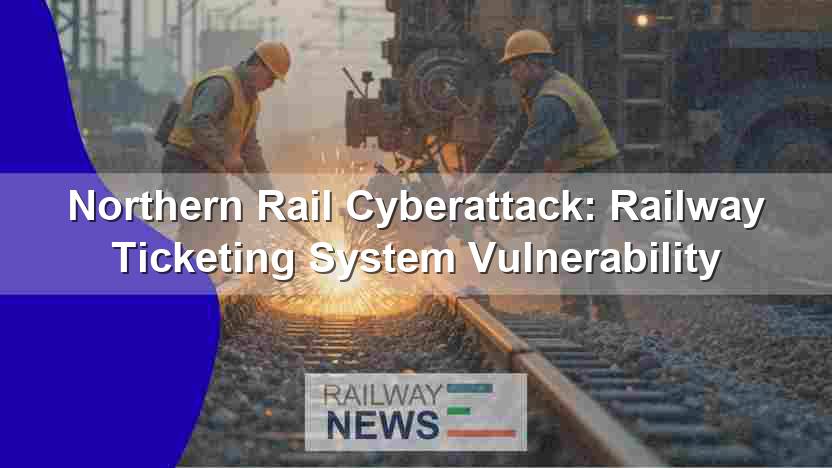
The Cybersecurity Vulnerability of Modern Railway Ticketing Systems: A Case Study of Northern Rail
The increasing reliance on digital technologies within the railway industry presents both opportunities and significant challenges. This article examines a recent cyberattack targeting Northern Rail’s newly installed self-service ticket vending machines (TVMs), highlighting the vulnerabilities inherent in modernizing railway infrastructure and the crucial need for robust cybersecurity measures. The incident, which involved a suspected ransomware attack affecting 621 TVMs across the Northern Rail network, underscores the potential disruption and financial implications of such breaches. We will explore the technical aspects of the attack, the impact on passengers and the railway operator, and the broader implications for the future of railway ticketing and cybersecurity strategies. This analysis will delve into the specific vulnerabilities exploited, the response from Northern Rail and Flowbird (the system’s installer), and the broader lessons learned for the railway industry concerning infrastructure security and risk mitigation.
The Northern Rail Cyberattack: A Detailed Account
In May 2021, Northern Rail completed a £17 million ($23.65 million USD) modernization project, deploying 621 new touch-screen TVMs across approximately 420 stations. This upgrade, implemented by Flowbird Transport Intelligence, aimed to enhance passenger experience and streamline ticket purchasing. However, shortly after deployment, a suspected ransomware attack crippled the entire system, rendering all 621 TVMs inoperable. The attack targeted the central servers managing these machines, resulting in a complete service outage. While Northern Rail and Flowbird swiftly responded, asserting that customer and payment data remained uncompromised, the incident caused significant disruption to passenger services.
Impact on Passengers and Operational Efficiency
The cyberattack directly impacted passenger convenience and operational efficiency. Passengers were forced to rely on alternative methods for ticket purchasing, including ticket offices (where available), the Northern Rail mobile app, or the company website. This caused longer queues at stations, potential delays, and inconvenience for those unfamiliar with digital ticketing options. Additionally, the incident highlighted the critical dependence on digital systems within modern railway operations. The disruption exposed the need for robust contingency plans and backup systems to mitigate the impact of future cybersecurity incidents.
Security Measures and Mitigation Strategies
The Northern Rail incident underscores the urgent need for enhanced cybersecurity protocols within the railway industry. Several key measures can be implemented to improve the resilience of such systems. These include:
- Robust network segmentation: Isolating TVM networks from the wider railway network limits the impact of a breach.
- Multi-factor authentication (MFA): Implementing MFA for all system administrators and users significantly enhances security.
- Regular security audits and penetration testing: Identifying and addressing vulnerabilities before they can be exploited is crucial.
- Incident response planning: Developing detailed incident response plans ensures swift and effective action in case of a cyberattack.
- Employee cybersecurity training: Educating employees about phishing scams and other social engineering attacks is vital.
- Regular software updates and patching: Keeping all software components up-to-date minimizes the risk of exploitation of known vulnerabilities.
Conclusions and Future Outlook
The Northern Rail cyberattack serves as a stark reminder of the vulnerabilities inherent in increasingly digitized railway infrastructure. The incident highlighted the significant disruption that even a localized attack can cause, affecting both passenger experience and operational efficiency. While Northern Rail and Flowbird responded swiftly, preventing data breaches, the incident exposed the need for proactive and detailed cybersecurity strategies across the entire industry. The reliance on digital ticketing and centralized systems necessitates robust security measures, including network segmentation, multi-factor authentication, regular security audits, and detailed incident response planning. Additionally, continuous investment in employee cybersecurity training and the timely implementation of software updates and patches are essential for mitigating future risks. Failing to address these vulnerabilities leaves railway systems vulnerable to significant disruptions and potential financial losses. The successful integration of robust cybersecurity practices is not merely a matter of compliance but a crucial step towards ensuring the reliable and secure operation of modern railway networks. The long-term implications for the industry extend beyond immediate incident response and include the development of standardized cybersecurity frameworks and collaborative efforts to share best practices and threat intelligence. The future of railway ticketing and overall operational efficiency depends on a proactive and collaborative approach to cybersecurity, prioritizing preventative measures and ensuring the resilience of vital infrastructure.

Railway infrastructure, rolling stock and transport technologies specialist focused on global rail industry developments, high-speed rail systems, signaling technologies and freight transportation. Covering railway investments, public transport modernization, rail operations and international mobility projects across Europe, Asia and North America.
RELATED POSTS

September 5, 2026 4:19 pm
CPK launched formal tender talks with four consortia to design...

September 5, 2026 7:14 pm
HS2 Ltd signed renegotiated civils contracts with EKFB and Align...

September 6, 2026 4:12 am
Alstom delivered the first of 100 new G Class trams...
September 5, 2026 6:17 pm
Universal Signalling won a deal to install its U-Cross system...
September 6, 2026 8:17 am
DB InfraGO reopened the Nuremberg-Regensburg line in Bavaria on 31...
September 7, 2026 11:16 pm
China Railway Tunnel Group completed the 11.3-km underwater Yangtze tunnel...