
Skoda, Speno, & ETCS: Modernizing Swiss Rail
The integration of the European Train Control System (ETCS) onto Speno International’s fleet of track maintenance vehicles by Skoda Group marks a pivotal step forward in deploying ETCS technology across diverse national regulatory landscapes, showcasing technological advancements and the complexities of achieving cross-border compatibility within the European railway system.
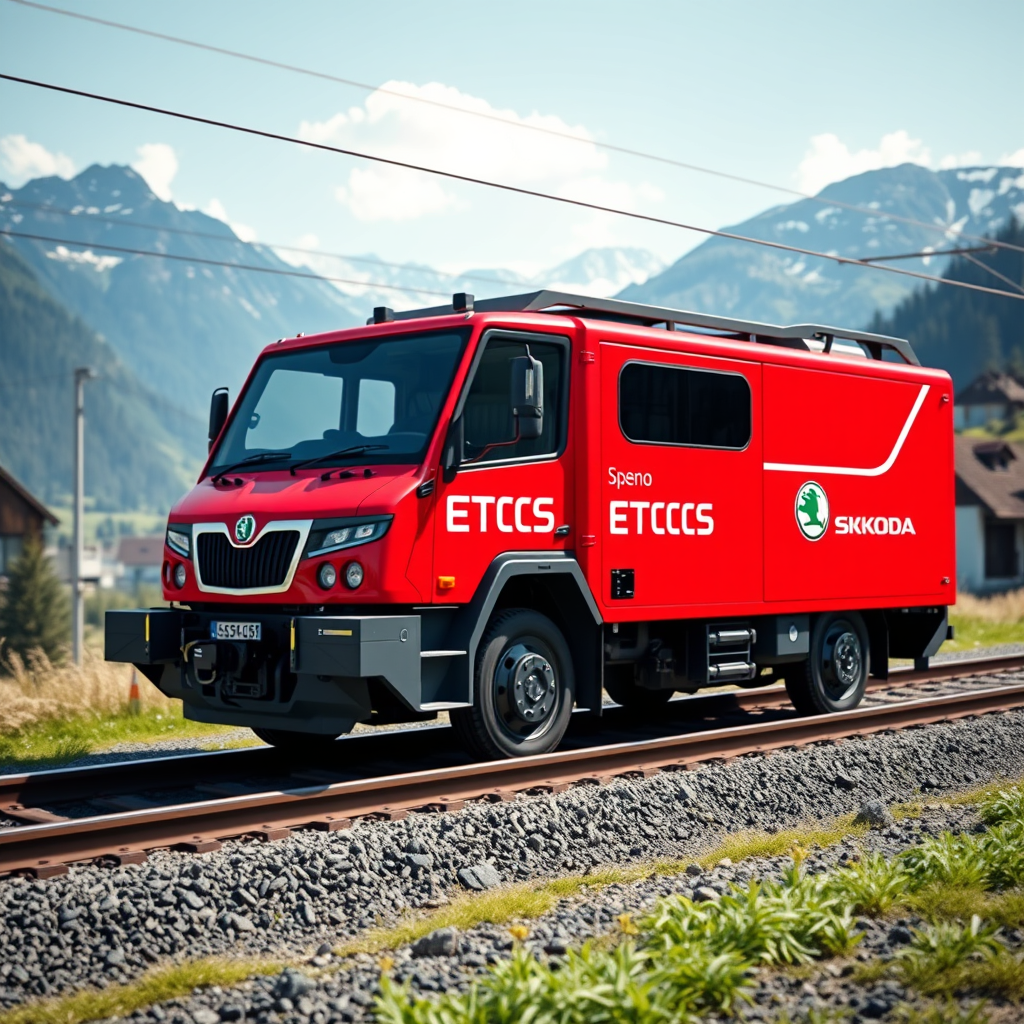
The modernization of railway networks is a global imperative, driven by the need for enhanced safety, increased efficiency, and improved interoperability. This article explores a significant development in this field: the integration of the European Train Control System (ETCS) onto Speno International’s fleet of track maintenance vehicles by Skoda Group. This partnership represents a major step forward in deploying ETCS technology, highlighting the challenges and opportunities associated with its implementation across diverse national regulatory landscapes. The collaboration between Skoda and Speno showcases not only the technological advancements in ETCS integration but also the complexities of achieving cross-border compatibility within the European railway system. The subsequent sections will delve into the specifics of this project, analyzing its impact on the Swiss market, the technical aspects of ETCS integration, and the regulatory hurdles involved in achieving pan-European deployment.
Skoda Group’s Expansion into the Swiss Rail Market
Skoda Group’s partnership with Speno International marks its inaugural entry into the Swiss railway market. This strategic move leverages Speno’s established presence and the increasing demand for ETCS upgrades in Switzerland. The project focuses on integrating ETCS onto 15 of Speno’s specialized track maintenance vehicles, demonstrating Skoda’s capabilities in system integration and its commitment to delivering advanced railway technology. The success of this venture could serve as a springboard for further expansion within the Swiss market and broader European collaborations.
Technical Aspects of ETCS Integration
The project involves integrating ETCS (European Train Control System) onto five distinct types of Speno locomotives. This is a complex undertaking, requiring meticulous system integration engineering to ensure seamless functionality and compatibility with the existing onboard systems. Skoda’s acquisition of The Signalling Company earlier this year has significantly enhanced its capabilities in this area, providing the necessary expertise and resources for successful implementation. The phased rollout, beginning with four vehicles in the next two years and expanding to an additional 11 subsequently, highlights a methodical approach to managing the technical complexities of the project.
Navigating National Regulatory Hurdles
One of the most significant challenges in this project is navigating the diverse regulatory landscape across Europe. Obtaining authorization for ETCS deployment requires compliance with National Technical Rules (NNTR) in each of the 16 countries where Speno operates. This necessitates a detailed needs assessment and thorough analysis of each nation’s specific NNTR requirements. Skoda’s approach involves a phased implementation, starting with a detailed analysis of the NNTR regulations before proceeding with the ETCS integration in each target country. This strategic approach mitigates risk and ensures compliance with all relevant national standards.
The Significance of ETCS Deployment
The successful implementation of ETCS on Speno’s fleet will contribute significantly to the modernization of European railway systems. ETCS enhances safety by preventing train collisions and overspeed incidents. It also increases network capacity through more efficient train scheduling and reduces delays. Moreover, the cross-border compatibility facilitated by ETCS streamlines international rail operations and promotes the seamless movement of goods and passengers across national boundaries. This project, therefore, has significant implications for the future of rail transport in Europe.
Conclusion
The Skoda Group’s collaboration with Speno International to integrate ETCS (European Train Control System) onto its track maintenance vehicles represents a significant advancement in European railway modernization. This partnership marks Skoda’s entry into the Swiss market and showcases its expertise in ETCS system integration. The project, while complex due to the need for compliance with varying National Technical Rules (NNTR) across 16 nations, highlights the crucial role of ETCS in enhancing railway safety, efficiency, and interoperability. The phased approach, starting with a thorough needs assessment and NNTR analysis, demonstrates a responsible and methodical implementation strategy. The success of this project will not only modernize Speno’s operations but also serve as a model for broader ETCS deployment across Europe, contributing to a safer, more efficient, and interconnected rail network. The long-term impact extends beyond mere technological upgrades; it signifies a commitment to improving railway safety standards and fostering greater cross-border collaboration within the European railway sector. The project’s careful navigation of national regulatory complexities underscores the importance of collaboration between industry players and regulatory bodies in achieving a unified European railway system. The future of railway transport in Europe hinges on such collaborative efforts, and the Skoda-Speno partnership serves as a positive example of how technological advancements can be successfully integrated into a diverse and complex operational environment.

Railway infrastructure, rolling stock and transport technologies specialist focused on global rail industry developments, high-speed rail systems, signaling technologies and freight transportation. Covering railway investments, public transport modernization, rail operations and international mobility projects across Europe, Asia and North America.
RELATED POSTS

October 1, 2026 7:09 am
United States regulators confirmed a September 30 deadline for the...

October 8, 2026 1:15 pm
Alstom secured a €1bn contract to build 13 automated trains,...

October 4, 2026 5:14 pm
Alstom secured a CA$4.7 billion order from VIA Rail Canada...

October 8, 2026 12:18 pm
Siemens Mobility signed an agreement with VinSpeed to supply 350...

October 5, 2026 6:12 pm
AECOM and Jacobs secured a contract in September 2026 to...

October 4, 2026 11:08 pm
Sound Transit confirmed the September 30 opening of Seattle Pinehurst...