
New London Underground Trains: Rigorous Testing & Upgrades
Rigorous testing of new London Underground rolling stock involves comprehensive evaluations in Germany for mechanical and electrical systems under controlled conditions, followed by environmental simulations in Austria to prepare the trains for live network trials in London, ensuring they meet stringent operational standards.
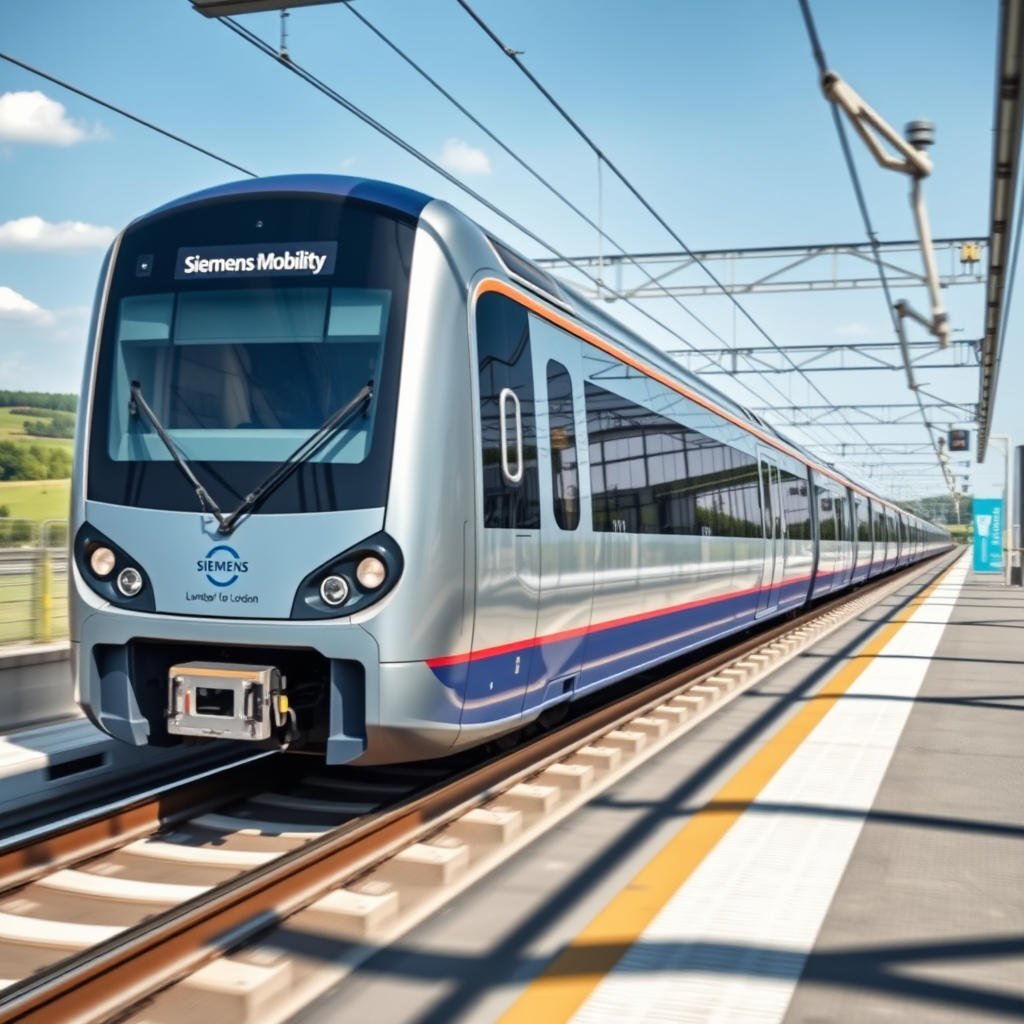
This article explores the detailed testing regime currently underway for the new Inspiro London Underground trains. The introduction of this new rolling stock represents a significant investment in upgrading London’s aging transportation infrastructure. The process, meticulously documented and overseen by both Siemens Mobility and Transport for London (TfL), involves a multifaceted approach encompassing dynamic testing in Germany, rigorous environmental simulations, and preparations for live network trials in London. We will explore the technological advancements incorporated into the Inspiro trains, their impact on passenger experience and operational efficiency, the challenges encountered during testing and the planned integration into the existing Piccadilly Line network. This examination will highlight the collaborative efforts and stringent procedures involved in bringing this crucial upgrade to London’s public transportation system. The successful implementation of this new rolling stock will not only improve the passenger experience but also contribute to the long-term sustainability and efficiency of the London Underground.
Dynamic Testing in Germany
The initial phase of testing is taking place at Siemens’ extensive test facility in Wegberg-Wildenrath, Germany. This 44-hectare facility provides a controlled environment for evaluating various aspects of the train’s performance. Testing at speeds of approximately 40km/h has focused on acceleration, braking, and overall system functionality. While the above-ground nature of the test track differs from the London Underground network, it allows for a thorough assessment of the trains’ mechanical and electrical systems under controlled conditions. Siemens Mobility Joint CEO Samit Banerjee acknowledged that challenges unique to the London Underground environment may emerge during subsequent live track testing. The German phase, however, provides a crucial baseline for identifying and rectifying potential issues before deployment on the operational network.
Environmental and Climatic Testing
Beyond standard operational testing, the Inspiro trains are undergoing rigorous environmental simulations. These tests, conducted in a climate chamber in Austria, expose the rolling stock to extreme conditions, including temperatures up to 40°C, winds of up to 100km/h, and icy conditions. This rigorous approach ensures the trains’ resilience and operational capabilities across a wide range of weather conditions, which is essential given the diverse climate experienced in London.
Technological Advancements and Passenger Improvements
The Inspiro London trains incorporate numerous technological and design improvements. These include wider doors and a reconfigured carriage layout providing increased headroom and a 10% capacity increase per carriage. The relocation of air conditioning units beneath the carriages has allowed for higher ceilings, improving passenger comfort. The adoption of double doors throughout the train, eliminating end doors, facilitates faster passenger boarding and alighting. Digitization of advertising and information boards enhances the passenger experience while maintaining classic map displays. Perhaps the least visible yet most significant change is the reduced number of bogies (wheeled assemblies) per train – from 18 to 10 on a nine-car train – resulting in reduced weight and increased operational efficiency (OpX).
Integration into the Piccadilly Line and Future Plans
The new trains are scheduled to enter passenger service on the Piccadilly Line in 2025. Initially, they will operate alongside existing rolling stock until the entire fleet of 94 trains is delivered. Siemens Mobility plans to assemble half of the fleet at its facility in Goole, UK. Minor platform adjustments are necessary at certain Piccadilly Line stations to accommodate the slightly wider dimensions of the new trains – a planned modification included in TfL’s operational plan. The introduction of these new trains represents a substantial step forward in modernizing the London Underground, promising enhanced passenger comfort, improved operational efficiency, and a more sustainable transportation system for years to come. The collaboration between Siemens Mobility and TfL, encompassing rigorous testing procedures, highlights a commitment to delivering a high-quality, reliable, and passenger-centric transportation solution.
Conclusions
The introduction of the new Inspiro London Underground trains marks a significant milestone in the modernization of London’s public transportation network. The rigorous testing program, spanning dynamic trials in Germany, environmental simulations in Austria, and upcoming live track tests in London, ensures the trains’ operational reliability and passenger safety. The technological advancements incorporated into the Inspiro trains, such as the increased capacity, improved passenger comfort through wider doors and higher ceilings, and the efficiency gains achieved through reduced weight and the number of bogies, represent a considerable improvement over the existing rolling stock. The successful completion of these tests demonstrates a collaborative commitment between Siemens Mobility and Transport for London (TfL) to deliver a state-of-the-art transportation system. The planned integration into the Piccadilly Line and the subsequent expansion to other lines indicate a long-term vision of enhancing the London Underground’s capacity, efficiency, and sustainability. This upgrade will not only improve the overall passenger experience but also contribute to the efficient and reliable operation of one of the world’s busiest and most vital metro systems. The meticulous planning and execution of this project serve as a model for future upgrades and expansion efforts across global rail networks. The success of this initiative hinges upon the seamless integration of advanced technology, detailed testing methodologies, and the effective collaboration between industry leaders and transportation authorities. The ultimate success will be measured by enhanced passenger satisfaction, increased operational efficiency, and a demonstrably improved London Underground network.

Railway infrastructure, rolling stock and transport technologies specialist focused on global rail industry developments, high-speed rail systems, signaling technologies and freight transportation. Covering railway investments, public transport modernization, rail operations and international mobility projects across Europe, Asia and North America.
RELATED POSTS

September 5, 2026 4:19 pm
CPK launched formal tender talks with four consortia to design...

September 5, 2026 7:14 pm
HS2 Ltd signed renegotiated civils contracts with EKFB and Align...

September 6, 2026 4:12 am
Alstom delivered the first of 100 new G Class trams...
September 5, 2026 6:17 pm
Universal Signalling won a deal to install its U-Cross system...

September 7, 2026 4:15 pm
Zimbabwe approved the EUR 3 billion Harare Light Rail project,...

September 8, 2026 7:15 pm
Georgian Railways launched a $350m tender for 45 new electric...