
Siemens Rail Village: UK Investment Amidst Industry Uncertainty
Siemens Mobility’s establishment of a significant manufacturing and innovation hub in Goole, UK, despite industry uncertainty, represents a strategic investment aimed at reinvigorating the British rail market by assembling at least 80 trains and fostering research collaboration with the University of Birmingham. This move aims to position Goole as a global center for railway technology and manufacturing, addressing the sector’s challenges and positioning Siemens Mobility for sustainable growth in an uncertain industry environment.
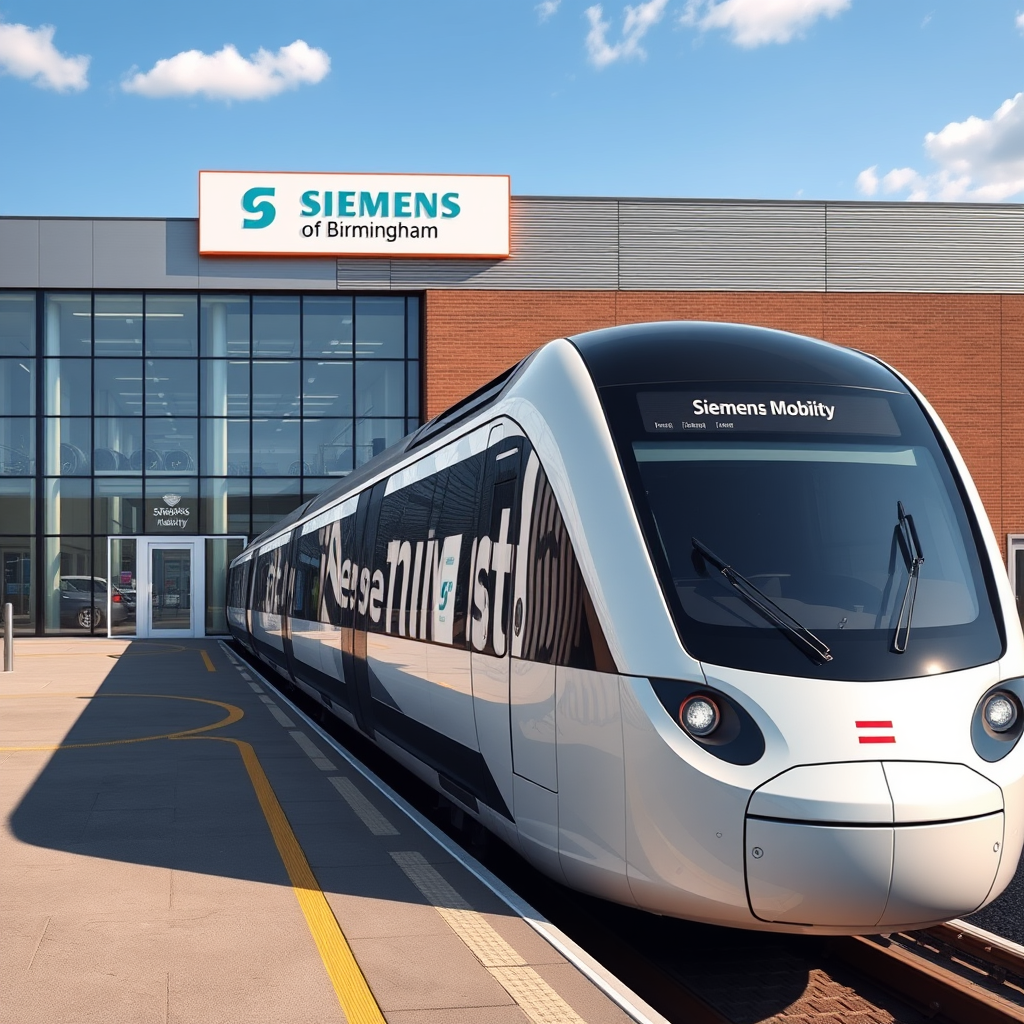
This article examines Siemens Mobility’s strategic decision to establish a significant manufacturing and innovation hub in Goole, UK, despite considerable challenges facing the British railway sector. The company’s commitment, encompassing the assembly of at least 80 trains and the creation of a “rail village” incorporating a research and innovation center in partnership with the University of Birmingham, represents a substantial investment and a vote of confidence in the long-term potential of the UK rail market. This decision will be analyzed in light of recent setbacks in the UK railway industry, including the scaled-back High Speed 2 (HS2) project and subsequent job losses at other rolling stock manufacturers. The analysis will explore the strategic rationale behind Siemens Mobility’s investment, its potential impact on the UK rail industry, and the broader implications for the global railway landscape. The role of innovation and collaboration with academia will also be examined, highlighting the potential for sustainable growth and technological advancement within the sector.
The Goole “Rail Village”: A Strategic Investment
Siemens Mobility’s decision to build a “rail village” in Goole, East Yorkshire, is a multifaceted strategic move. The facility will not only serve as a manufacturing plant, assembling at least 80 trains initially, but also house a joint research and innovation center with the University of Birmingham. This partnership is crucial, fostering the development of cutting-edge technologies and attracting skilled labor. The commitment signifies Siemens Mobility’s long-term vision for the UK market, aiming to establish Goole as a global hub for rolling stock manufacturing and digital railway services (Intelligent Transportation Systems – ITS). The planned expansion of the facility potentially includes a dedicated testing track for dynamic commissioning, further strengthening its capabilities and showcasing its commitment.
Navigating the Turbulent UK Rail Landscape
The UK railway industry has faced significant headwinds in recent years. The decision to curtail the HS2 project has created substantial uncertainty, impacting industry confidence and leading to job losses at other manufacturers, such as Alstom’s Litchurch Lane factory. This challenging environment underscores the significance of Siemens Mobility’s commitment to Goole. The company’s decision, however, is grounded in a long-term perspective, recognizing the inherent potential of the UK market and aiming to fill the void left by the challenges faced by competitors.
Innovation and Collaboration: Driving Future Growth
The collaboration between Siemens Mobility and the University of Birmingham is a key element of the Goole “rail village” strategy. This partnership leverages academic expertise and research capabilities to drive innovation in railway technology and digital solutions. The £15 million investment in the University of Birmingham’s expansion highlights the importance of research and development in shaping the future of the railway sector. This focus on innovation, alongside a strong manufacturing base, positions the Goole facility as a leader in sustainable and technologically advanced railway solutions. The development of digital services (ITS) is explicitly targeted, showcasing Siemens Mobility’s vision for a modernized and digitally enhanced railway system.
A Long-Term Vision for UK Rail
Siemens Mobility’s investment in Goole represents more than just a manufacturing facility; it is a commitment to the long-term growth and development of the UK railway industry. Despite the recent challenges, Siemens Mobility sees opportunities for expansion and has strategically positioned itself to meet future demands. The “rail village” concept, integrating manufacturing with research and innovation, positions Goole as a centre of excellence, attracting talent and fostering technological advancement. The partnership with the University of Birmingham underscores a commitment to sustainable growth through innovation and collaboration. The initial plan of assembling at least 80 trains at the Goole facility is a strong starting point. However, the potential for future orders and the addition of a testing facility indicate a significant expansion path. This strategic investment highlights Siemens Mobility’s confidence in the resilience of the UK rail sector and its ability to play a key role in shaping its future.

Railway infrastructure, rolling stock and transport technologies specialist focused on global rail industry developments, high-speed rail systems, signaling technologies and freight transportation. Covering railway investments, public transport modernization, rail operations and international mobility projects across Europe, Asia and North America.
RELATED POSTS

September 5, 2026 4:19 pm
CPK launched formal tender talks with four consortia to design...

September 5, 2026 7:14 pm
HS2 Ltd signed renegotiated civils contracts with EKFB and Align...

September 6, 2026 4:12 am
Alstom delivered the first of 100 new G Class trams...

September 6, 2026 8:17 am
DB InfraGO reopened the Nuremberg-Regensburg line in Bavaria on 31...

September 6, 2026 12:20 pm
Indian Railways ordered a probe after a fire destroyed 2...

September 5, 2026 6:17 pm
Universal Signalling won a deal to install its U-Cross system...