
Mid-Cornwall Metro: Revolutionizing Cornish Rail
The Mid Cornwall Metro initiative, a collaboration between Cornwall Council, Great Western Railway, and Network Rail, aims to revolutionize transport links across Mid Cornwall through significant service enhancements, infrastructure upgrades, and broader economic and social benefits.
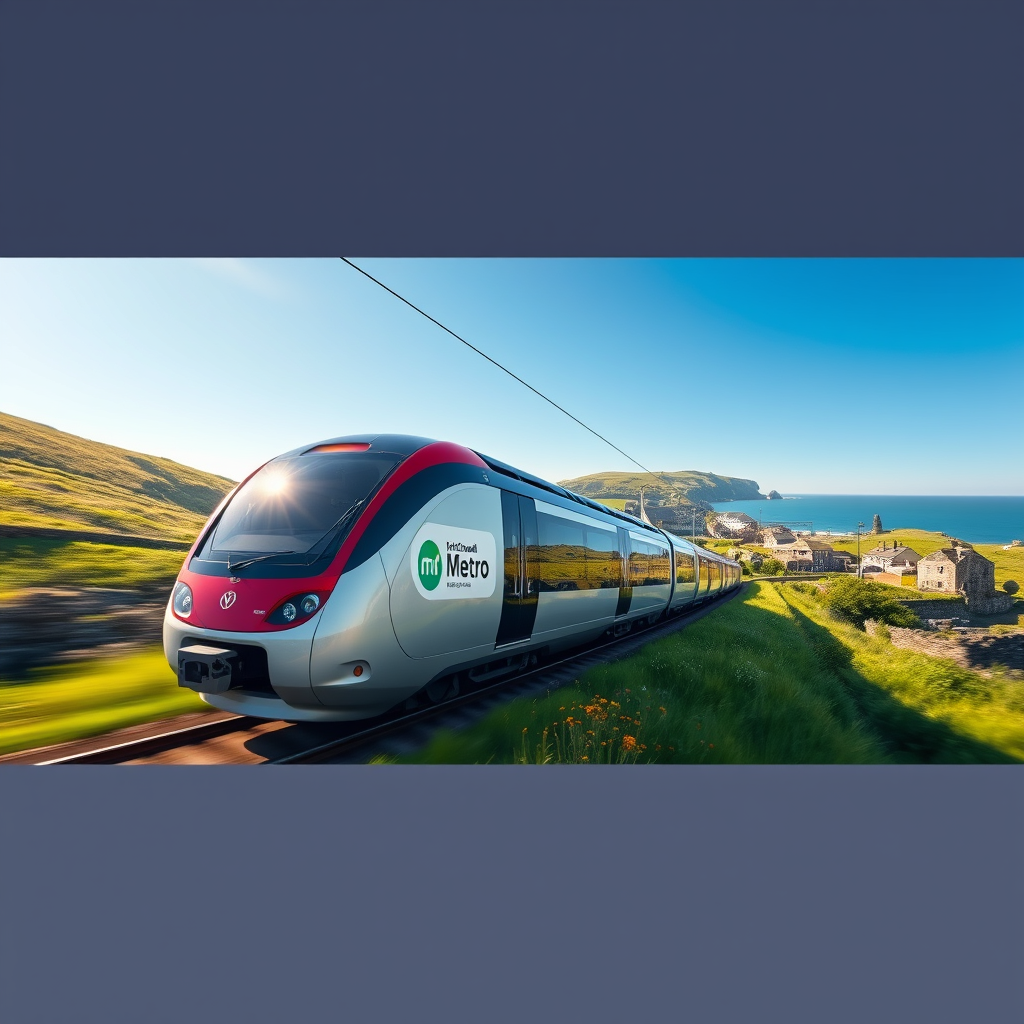
The burgeoning need for sustainable and efficient transportation networks in the UK has led to significant investments in regional rail infrastructure improvements. This article explores the recently approved Mid Cornwall Metro initiative, a transformative project aiming to revolutionize transport links across Mid Cornwall. This ambitious undertaking, a collaboration between Cornwall Council, Great Western Railway (GWR), and Network Rail, represents a significant step towards achieving a more integrated and environmentally conscious transport system. The initiative’s scope encompasses service enhancements, infrastructure upgrades, and broader economic and social benefits. We will explore the project’s key components, its projected impact on the region, the financial backing securing its implementation, and the long-term vision it embodies for Cornwall’s future transportation landscape. The analysis will consider the challenges and opportunities presented by such a large-scale undertaking, and evaluate its potential to serve as a model for similar regional transportation projects elsewhere in the UK and beyond.
Mid-Cornwall Metro: Service Enhancements and Network Expansion
The Mid Cornwall Metro project centers around significantly improving rail services across the region. A key element is the establishment of an hourly direct train service connecting several major towns: Newquay, Par, St Austell, Truro, Penryn, and Falmouth. This enhanced connectivity will drastically reduce travel times and improve accessibility for residents and tourists alike. Additionally, the project includes a doubling of rail services between Newquay and Par, addressing current capacity constraints and accommodating increased passenger demand. This expansion necessitates investment in rolling stock (trains), signaling systems, and potentially track upgrades to ensure reliable and efficient operation of the increased service frequency.
Infrastructure Development and Technological Integration
Beyond service enhancements, the Mid Cornwall Metro involves substantial infrastructure development. This includes potential upgrades to existing stations, potentially incorporating accessibility improvements for passengers with disabilities, and construction of new platforms where needed to handle the increased train frequencies. Moreover, the integration of Intelligent Transportation Systems (ITS) is crucial. This encompasses technologies such as real-time passenger information displays, improved signaling systems, and potentially centralized train control systems, which can enhance operational efficiency, safety, and improve the passenger experience. The successful implementation of ITS requires careful planning and coordination between the involved organizations, ensuring seamless data exchange and system interoperability.
Funding and Economic Impact
The Mid Cornwall Metro project has secured significant funding, underscoring its importance to the regional economy. The Cornwall Council successfully bid for £50 million from the UK government’s Levelling Up Fund, which will cover a significant portion of the estimated £56.8 million total cost. This funding demonstrates a commitment to improving regional infrastructure and stimulating economic growth. The project is expected to create jobs during construction and operation, boosting the local economy. Improved transport links will also attract businesses and investment, leading to further economic opportunities within the region. The increased accessibility provided by the improved rail network is expected to benefit tourism, a major industry in Cornwall, by making it easier for visitors to reach various destinations.
Governance and Sustainability
The Cornwall Council serves as the accountable body for the Mid Cornwall Metro project, emphasizing responsible financial management and adherence to strict guidelines. This approach ensures transparency and accountability throughout the project lifecycle. The project also prioritizes sustainability, aiming to encourage a shift away from car dependency towards more environmentally friendly modes of transportation. The increased rail services offer a cleaner alternative to private vehicles, contributing to Cornwall’s carbon reduction targets. This emphasis on sustainability aligns with broader national and international efforts to transition towards greener transportation systems.
Conclusion
The Mid Cornwall Metro initiative signifies a major step forward in improving transportation infrastructure and accessibility across the region. The project’s detailed approach, encompassing service enhancements, infrastructure upgrades, strategic funding, and a commitment to sustainability, demonstrates a forward-thinking vision for Cornwall’s future. The collaboration between Cornwall Council, GWR, and Network Rail highlights the importance of partnerships in delivering large-scale infrastructure projects. The successful implementation of the Mid Cornwall Metro will not only improve the lives of residents by providing more efficient and reliable transport options but also stimulate economic growth and contribute to a more sustainable future for the region. The project serves as a potential model for other areas in the UK seeking to enhance their regional transportation networks, showcasing the benefits of investing in sustainable and integrated public transport systems. The lessons learned during the planning, implementation, and operation phases will be invaluable for future projects, both within Cornwall and across the wider UK rail network. The meticulous attention to financial management, coupled with a clear vision for sustainable transport, positions the Mid Cornwall Metro as a significant success story and a catalyst for positive change within the region.

Railway infrastructure, rolling stock and transport technologies specialist focused on global rail industry developments, high-speed rail systems, signaling technologies and freight transportation. Covering railway investments, public transport modernization, rail operations and international mobility projects across Europe, Asia and North America.
RELATED POSTS

October 1, 2026 7:09 am
United States regulators confirmed a September 30 deadline for the...

October 8, 2026 1:15 pm
Alstom secured a €1bn contract to build 13 automated trains,...

October 4, 2026 5:14 pm
Alstom secured a CA$4.7 billion order from VIA Rail Canada...

October 8, 2026 12:18 pm
Siemens Mobility signed an agreement with VinSpeed to supply 350...

October 5, 2026 6:12 pm
AECOM and Jacobs secured a contract in September 2026 to...

October 4, 2026 11:08 pm
Sound Transit confirmed the September 30 opening of Seattle Pinehurst...