
Green Rail Revolution: Overcoming Energy Transition Challenges
The global energy transition, driven by advancements in renewable technology and a decreasing reliance on fossil fuels, is crucial for mitigating climate change and meeting the Paris Agreement goals. Despite promising progress, significant challenges remain, particularly in overcoming grid infrastructure limitations and fostering international collaboration to accelerate the rail sector’s role in this transformative shift towards sustainable transportation.
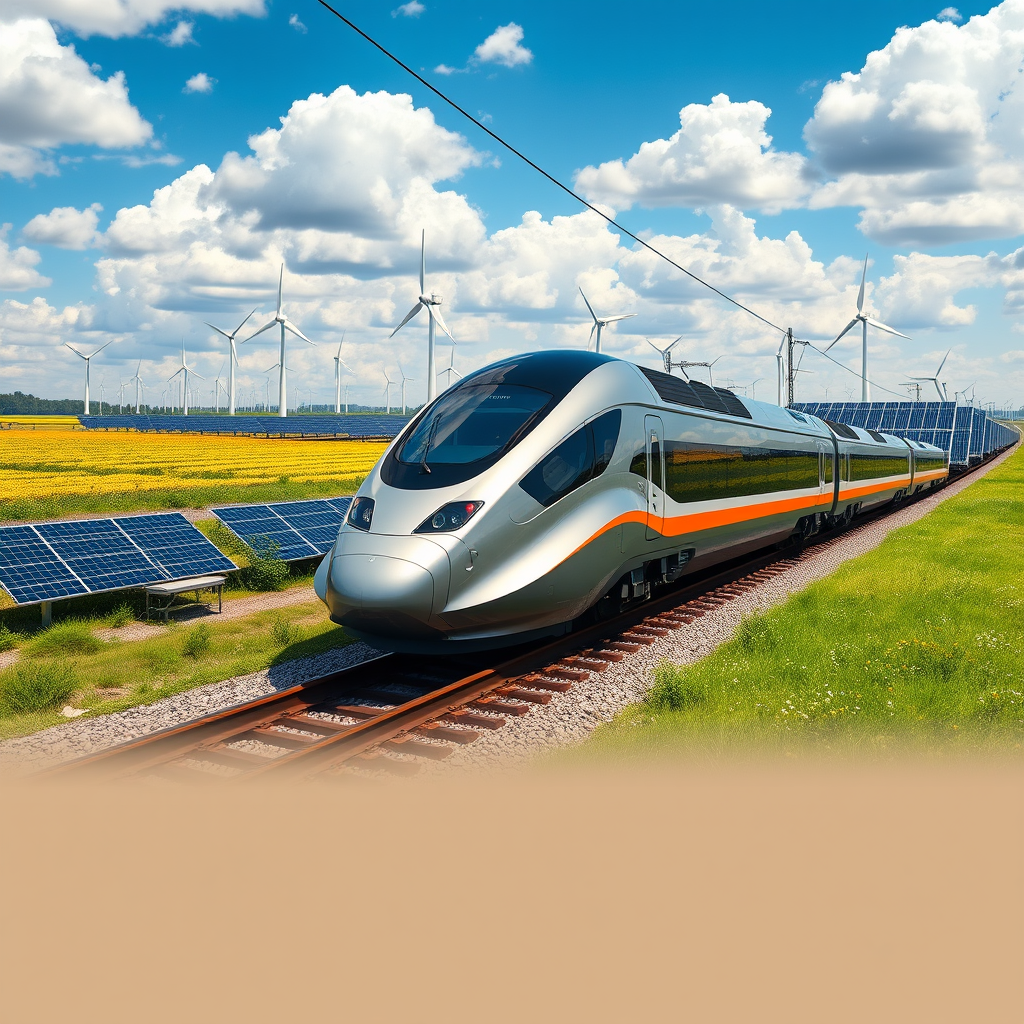
The global energy transition, a shift away from fossil fuels towards renewable energy sources, is gaining momentum. This article explores the critical role of the rail sector in this transition, highlighting both the progress being made and the significant challenges that remain. The International Energy Agency (IEA) emphasizes the need for “structural changes” on a global scale to mitigate climate change and meet the goals of the Paris Agreement. While advancements in renewable technology and a decreasing reliance on fossil fuels are encouraging signs, substantial hurdles persist, particularly concerning grid infrastructure limitations and the necessity for international collaboration. This analysis will delve into these challenges, examining the specific needs of the rail industry and proposing strategies for overcoming them to achieve a sustainable and efficient transportation future. The focus will be on how infrastructure development, technological innovation, and international cooperation can accelerate the energy transition within the rail sector, aligning it with the broader global climate goals. The discussion will further touch upon the economic implications of these changes and the potential for job creation in a greener rail system.
Renewable Energy Integration in Rail Systems
The electrification of rail networks is a crucial step in the energy transition. However, simply switching to electricity isn’t enough; the electricity source must also be renewable. This requires significant investment in renewable energy generation, such as solar and wind farms, and the expansion of grid infrastructure to accommodate the intermittent nature of these sources. The rail sector must also actively integrate energy storage solutions, such as batteries and pumped hydro storage, to address the variability of renewable energy supply and ensure grid stability. Additionally, optimizing energy consumption through advanced train control systems and lightweight train designs is paramount for maximizing efficiency gains from renewable energy.
Addressing Grid Infrastructure Bottlenecks
A major obstacle hindering the energy transition is the inadequacy of existing grid infrastructure. The IEA highlights the substantial backlog of renewable energy projects awaiting transmission links—a problem significantly impacting the rail sector. The construction of new high-voltage transmission lines and the upgrading of existing networks are essential to integrate renewable energy sources effectively into rail electrification. This requires substantial investment and careful planning to ensure the grid can handle the increased demand while maintaining reliability and resilience. Moreover, smart grid technologies are essential for efficient energy management and integration of distributed renewable energy resources. This includes advanced metering infrastructure (AMI), real-time monitoring, and predictive analytics to enhance grid operation and minimize energy losses.
Technological Innovation and Efficiency Gains
Technological advancements play a vital role in accelerating the energy transition within the rail sector. This includes the development of more efficient electric locomotives and rolling stock, improved energy storage technologies, and smart grid technologies. Additionally, advancements in predictive maintenance using data analytics can reduce downtime and optimize energy consumption. Investing in research and development to improve the efficiency and sustainability of railway operations is essential. This may involve exploring alternative fuels, such as hydrogen, and optimizing train scheduling to reduce energy consumption. Additionally, exploring innovative financing mechanisms to attract private investment in green rail technologies is crucial for scaling up deployment.
International Collaboration and Policy Frameworks
The energy transition requires a unified global effort. International cooperation is essential to share best practices, harmonize standards, and coordinate investments in grid infrastructure. Policy frameworks, including carbon pricing mechanisms and renewable energy targets, are crucial for driving the transition and ensuring accountability. International organizations, such as the IEA, play a vital role in facilitating collaboration and providing guidance on best practices. Additionally, fostering public-private partnerships can attract investment and expertise, accelerating the pace of change.
Conclusion
The energy transition in the rail sector presents both significant opportunities and substantial challenges. While progress is being made in the deployment of renewable energy technologies and the electrification of rail networks, overcoming grid infrastructure bottlenecks and fostering international collaboration remains paramount. The IEA’s emphasis on “structural changes” underscores the need for a holistic approach, involving investment in renewable energy generation, grid infrastructure upgrades, technological innovation, and strong policy frameworks. Addressing the issues discussed in this article – namely, grid infrastructure limitations, the need for technological innovation, and the importance of international collaboration – is crucial for accelerating the energy transition within the rail industry. Failing to address these challenges risks hindering the sector’s ability to contribute meaningfully to global climate goals. The economic implications are also significant; achieving a sustainable and efficient rail system will create new job opportunities in renewable energy, grid infrastructure development, and technological innovation. Therefore, a concerted effort across all stakeholders – governments, industry players, and international organizations – is crucial to ensure a rapid and successful transition to a greener, more sustainable rail transport system that is aligned with the global imperative to mitigate climate change.

Railway infrastructure, rolling stock and transport technologies specialist focused on global rail industry developments, high-speed rail systems, signaling technologies and freight transportation. Covering railway investments, public transport modernization, rail operations and international mobility projects across Europe, Asia and North America.
RELATED POSTS

September 5, 2026 4:19 pm
CPK launched formal tender talks with four consortia to design...

September 6, 2026 4:12 am
Alstom delivered the first of 100 new G Class trams...

September 5, 2026 7:14 pm
HS2 Ltd signed renegotiated civils contracts with EKFB and Align...
September 6, 2026 8:17 am
DB InfraGO reopened the Nuremberg-Regensburg line in Bavaria on 31...
September 5, 2026 6:17 pm
Universal Signalling won a deal to install its U-Cross system...
September 6, 2026 12:20 pm
Indian Railways ordered a probe after a fire destroyed 2...