
Amtrak’s 2040 Vision: Doubling Ridership
Amtrak aims to double its ridership to 66 million by 2040 with $5.5B annual investment, new rolling stock, and workforce expansion. The plan builds on a 24% FY2023 ridership increase.
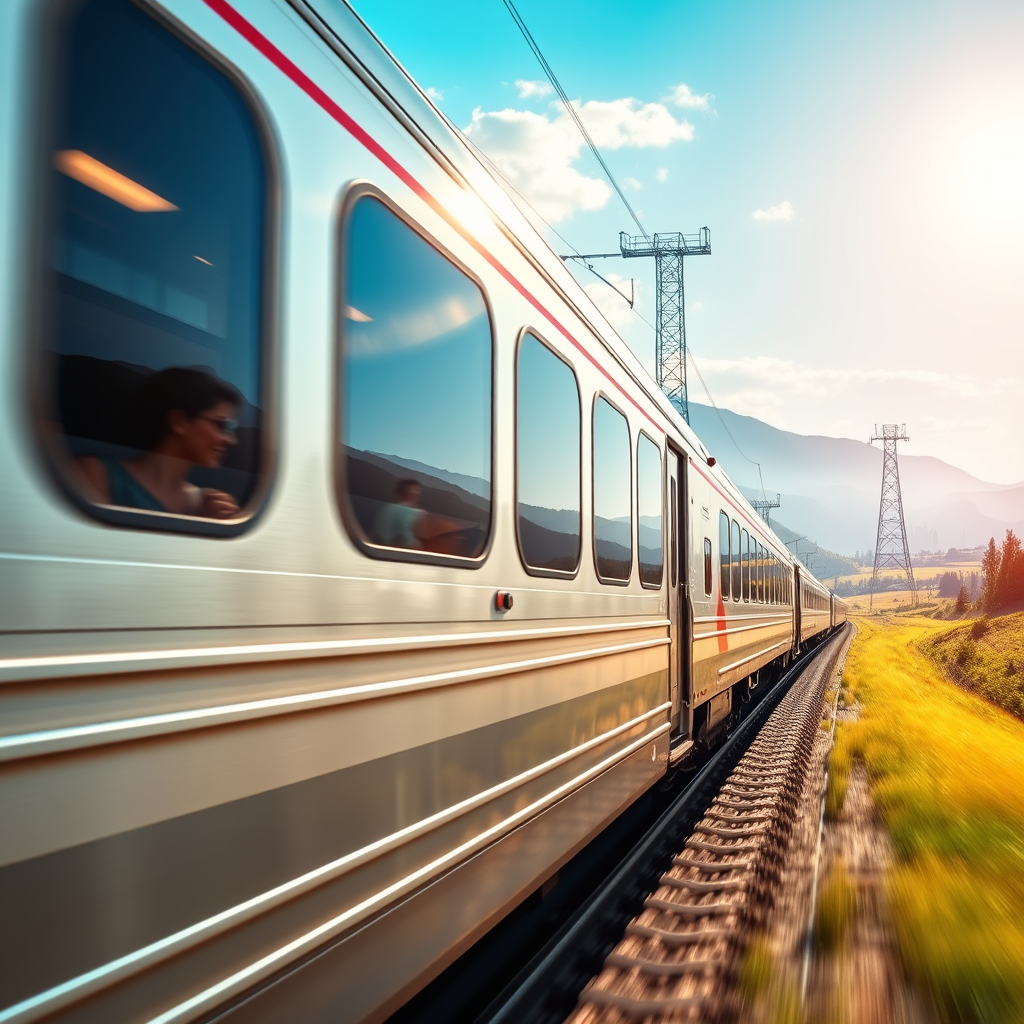
This article examines to Amtrak’s (National Railroad Passenger Corporation) detailed plan to achieve a remarkable doubling of its ridership by 2040. This ambitious goal hinges on a multi-pronged strategy encompassing significant infrastructure upgrades, a renewed focus on enhancing the customer experience, and a substantial modernization of its rolling stock. The plan is fueled by substantial funding secured through the Bipartisan Infrastructure Bill, representing a historic investment in the nation’s passenger rail network. We will explore the key pillars of this strategy, analyzing the challenges and opportunities inherent in achieving such a significant increase in passenger volume. We will examine the strategic investments in infrastructure, the modernization of the Amtrak fleet, the importance of workforce expansion and training, and the vital role of Intelligent Transportation Systems (ITS) in optimizing operational efficiency and passenger satisfaction. The success of this ambitious undertaking will not only significantly impact Amtrak’s financial viability but also reshape the landscape of passenger rail travel in the United States, potentially influencing future transportation policy and infrastructure development.
Infrastructure Investments: The Foundation for Growth
Amtrak’s $5.5 billion capital program for Fiscal Year 2024 represents the largest annual investment in its history. This substantial investment targets critical infrastructure upgrades across its extensive network spanning 46 states and three Canadian provinces. A key focus is the Northeast Corridor (NEC), a crucial artery connecting major metropolitan areas. Improvements to the NEC have already yielded significant results, contributing substantially to the 24% ridership increase observed in FY2023. This demonstrates the direct correlation between infrastructure improvements and passenger growth. The program also encompasses upgrades to stations, signaling systems, and track infrastructure, all crucial for improving reliability, safety, and overall operational efficiency. This investment strategy aims to create a more robust and efficient rail network capable of handling a substantial increase in passenger volume while enhancing the overall travel experience.
Modernizing the Rolling Stock: Enhancing the Passenger Experience
Alongside infrastructure improvements, Amtrak is prioritizing the modernization of its rolling stock fleet. The introduction of the Amtrak Airo, with the first unit nearing completion by the end of the year, represents a significant step towards a more comfortable and modern passenger experience. The Airo represents a substantial upgrade in terms of passenger amenities, safety features, and overall ride quality. Additionally, plans are underway to replace the aging long-distance fleet, signaling a commitment to providing consistent, high-quality service across all Amtrak routes. This detailed approach to fleet modernization will not only enhance passenger satisfaction but also improve operational efficiency and reduce maintenance costs in the long term. The improved rolling stock will directly contribute to attracting new riders and fostering greater passenger loyalty.
Workforce Development: A Crucial Element of Success
Amtrak’s ambitious growth plan recognizes the critical role of its workforce. The company plans to hire over 3,500 new employees, focusing on both infrastructure maintenance and customer service. This significant workforce expansion is vital for managing the increased capacity and maintaining the high standards of service needed to accommodate the projected doubling of ridership. The emphasis on customer service training underlines Amtrak’s commitment to providing a positive passenger experience, a crucial element in attracting and retaining riders. A well-trained and motivated workforce is essential for achieving operational efficiency, ensuring passenger safety, and maintaining a positive brand image – all key factors in realizing Amtrak’s ambitious growth targets.
Intelligent Transportation Systems (ITS) and Operational Efficiency
The successful implementation of Amtrak’s growth strategy relies heavily on leveraging technology and data-driven decision-making. The integration of Intelligent Transportation Systems (ITS) is crucial for optimizing operations, improving on-time performance, and enhancing safety. ITS encompasses various technologies, including advanced signaling systems, predictive maintenance, and real-time passenger information systems. These technologies enable Amtrak to monitor and manage its network effectively, ensuring efficient resource allocation, reducing delays, and improving overall service reliability. The effective deployment of ITS will not only improve efficiency but also enhance the passenger experience, contributing directly to the success of Amtrak’s growth strategy.
Conclusion
Amtrak’s plan to double its ridership by 2040 represents a bold and ambitious vision for the future of passenger rail in the United States. The success of this plan hinges on the synergistic implementation of several key strategies. The substantial infrastructure investments, modernization of the rolling stock fleet, and expansion of a well-trained workforce are all critical elements. Additionally, the strategic integration of Intelligent Transportation Systems (ITS) will be pivotal in ensuring operational efficiency and enhancing the overall passenger experience. The 24% ridership increase in FY2023, driven largely by investments in the Northeast Corridor, provides a strong indication of the potential for success. However, challenges remain. Securing continued funding, managing the complexities of large-scale infrastructure projects, and adapting to evolving passenger needs will all require effective planning and execution. The realization of Amtrak’s vision will not only benefit the company itself but will also significantly contribute to the development of a more sustainable and efficient national transportation system, reducing reliance on automobiles and promoting economic growth across the nation. The success of this ambitious plan will serve as a benchmark for future investments in passenger rail infrastructure and modernization, influencing transportation policies and setting a new standard for passenger rail service in the United States and beyond.

Transport and railway industry editor covering global rail infrastructure, sustainable mobility, urban transit systems and next-generation railway technologies with a focus on accessible and industry-focused reporting.
RELATED POSTS

October 8, 2026 1:15 pm
Alstom secured a €1bn contract to build 13 automated trains,...

October 1, 2026 7:09 am
United States regulators confirmed a September 30 deadline for the...

October 8, 2026 12:18 pm
Siemens Mobility signed an agreement with VinSpeed to supply 350...

October 4, 2026 5:14 pm
Alstom secured a CA$4.7 billion order from VIA Rail Canada...

October 5, 2026 6:12 pm
AECOM and Jacobs secured a contract in September 2026 to...

October 1, 2026 12:13 am
Illinois approved $1.5 billion annually for the Northern Illinois Transit...