
Sydney Metro West: Giant TBMs Dig New Rail Tunnels
The Sydney Metro West project utilizes advanced Tunnel Boring Machines (TBMs) to construct twin tunnels spanning 24 kilometers from the CBD to Parramatta, demonstrating significant improvements in transportation infrastructure and reducing congestion within the Greater Sydney region.
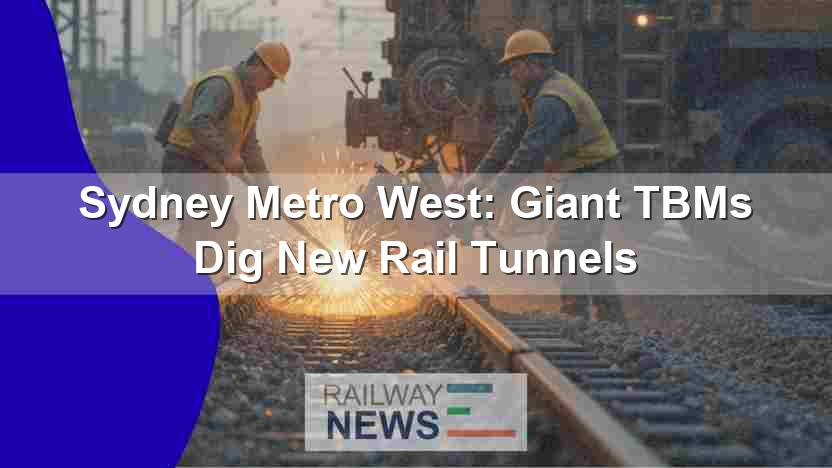
The Sydney Metro West project represents a significant expansion of Sydney’s public transportation infrastructure. This article will delve into the crucial role of Tunnel Boring Machines (TBMs) in constructing the new metro rail tunnels, examining the procurement process, the specifications of the machines, and the broader implications of this project for Sydney’s transportation network. The project’s ambitious scope, involving the construction of twin tunnels spanning 24 kilometers from the Sydney Central Business District (CBD) to Parramatta, necessitates a sophisticated and efficient approach to tunneling. The utilization of advanced TBMs is paramount to achieving timely and cost-effective project completion, while minimizing disruption to the city’s existing infrastructure. This analysis will explore the technical capabilities of these machines, their operational parameters, and their contribution to the overall success of the Sydney Metro West project. Additionally, we will assess the project’s potential to alleviate transportation congestion and improve connectivity within the Greater Sydney region, showcasing the long-term economic and social benefits of this significant infrastructure undertaking.
Tunnel Boring Machine Procurement and Specifications
The initial phase of the Sydney Metro West project involves the construction of an 11-kilometer twin tunnel section between The Bays and Sydney Olympic Park. To facilitate this, two TBMs have been ordered as part of the $1.46 billion (A$1.96 billion) Central Tunnelling Package, awarded to the Acciona Ferrovial Joint Venture (AF JV). The TBMs are being designed, built, and supplied by Herrenknecht, a German company selected through an international tender process. Each of these impressive machines weighs 1,266 tons and boasts a 165-meter-long double-shield design. Classified as hard rock, gripper-type TBMs, they are specifically equipped to excavate through the sandstone and shale formations encountered along the tunnel alignment. The design incorporates lessons learned from the construction of over 30 kilometers of tunnels for the Sydney Metro Northwest and City & Southwest lines, ensuring optimal performance and efficiency in the challenging Sydney geological conditions. The anticipated average tunneling rate is 200 meters per week per machine, requiring a 15-person operational team per shift.
Project Timeline and Operational Considerations
The first TBM is scheduled to commence operation before the end of the year. The deployment of these machines marks a significant milestone in the overall project timeline. The project’s planning phase, encompassing the design and procurement of necessary equipment and materials, has already been completed. The subsequent construction phase, involving the deployment and operation of the TBMs, is now underway, with the expected completion dates subject to various factors including geological conditions, equipment maintenance, and overall project management. The successful operation of these TBMs is critical for maintaining the project’s schedule and minimizing any delays that could affect the overall timeline. This operational efficiency is further enhanced by the experienced personnel managing these complex machines. Continuous monitoring and preventative maintenance protocols are implemented to ensure optimal performance and minimize downtime. The deployment of advanced monitoring technologies helps to mitigate potential geological challenges and optimize the tunneling process.
Broader Network Integration and Future Expansion
The Sydney Metro West project is not an isolated undertaking; it is strategically designed to integrate seamlessly with the existing and planned public transportation network in Sydney. Upon completion, this driverless metro rail route will link Greater Parramatta and the Sydney CBD, significantly enhancing connectivity and easing congestion across the city. This will represent a substantial increase in rail capacity, offering commuters a more efficient and reliable transportation alternative. The two TBMs currently being deployed are only the first two of a total of six that will be used to construct the entire 24-kilometer tunnel network. This long-term vision signifies the ongoing investment in modernizing Sydney’s transportation infrastructure and underscores the importance of sustainable and efficient transportation solutions in addressing the challenges of a growing metropolitan area. The project’s successful completion will serve as a model for future urban rail development projects worldwide.
Conclusions
The Sydney Metro West project’s reliance on advanced tunnel boring machines underscores the importance of technological innovation in large-scale infrastructure projects. The procurement of six Herrenknecht TBMs, starting with the initial two deployed for the 11-kilometer section between The Bays and Sydney Olympic Park, signifies a commitment to efficiency and precision in tunnel construction. The 1,266-ton, 165-meter-long double-shield machines, designed for hard rock excavation, represent a significant advancement in tunneling technology. Their ability to excavate through sandstone and shale at an average rate of 200 meters per week per machine, managed by teams of 15 experienced operators per shift, will be crucial to meeting the ambitious project timeline. The project’s success hinges not only on the technological capabilities of these machines but also on the careful planning and execution of the entire undertaking, incorporating lessons learned from previous Sydney Metro projects. The broader impact extends beyond the immediate construction phase, promising increased rail capacity, improved connectivity between the Sydney CBD and Parramatta, and a significant alleviation of traffic congestion in one of Australia’s most dynamic metropolitan areas. Ultimately, the Sydney Metro West project demonstrates a commitment to forward-thinking urban planning and the development of sustainable and efficient public transportation systems.

Railway infrastructure, rolling stock and transport technologies specialist focused on global rail industry developments, high-speed rail systems, signaling technologies and freight transportation. Covering railway investments, public transport modernization, rail operations and international mobility projects across Europe, Asia and North America.
RELATED POSTS

September 5, 2026 4:19 pm
CPK launched formal tender talks with four consortia to design...

September 5, 2026 7:14 pm
HS2 Ltd signed renegotiated civils contracts with EKFB and Align...

September 6, 2026 4:12 am
Alstom delivered the first of 100 new G Class trams...
September 6, 2026 8:17 am
DB InfraGO reopened the Nuremberg-Regensburg line in Bavaria on 31...
September 5, 2026 6:17 pm
Universal Signalling won a deal to install its U-Cross system...
September 6, 2026 12:20 pm
Indian Railways ordered a probe after a fire destroyed 2...