
Tel Aviv Purple Line: A Sustainable LRT Case Study
The Tel Aviv Purple Line light rail project exemplifies the complexities and innovations in modern light rail construction and operation, showcasing Israel’s commitment to addressing urban sprawl and traffic congestion through significant infrastructure investments.
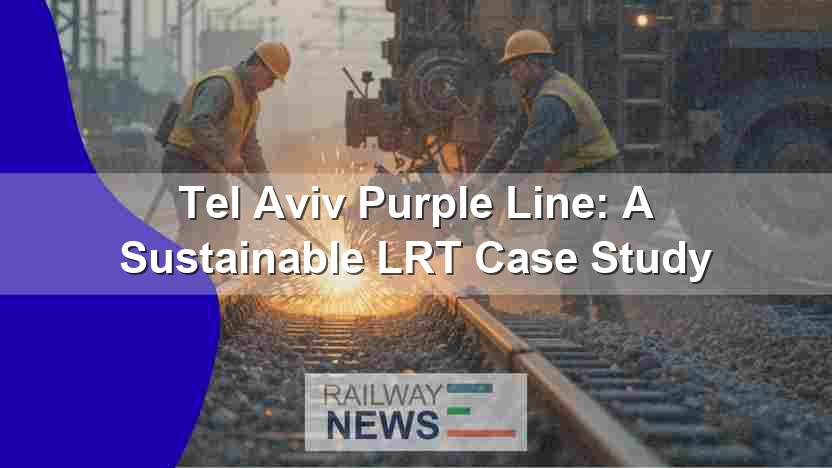
The development of efficient and sustainable mass transit systems is crucial for addressing the challenges of urban sprawl and traffic congestion in rapidly growing metropolitan areas. This article examines the Tel Aviv Purple Line light rail project, a significant undertaking in Israel that exemplifies the complexities and innovations involved in modern light rail construction and operation. We will explore the project’s scope, the consortium responsible for its delivery, the technological aspects of the system, and the long-term implications of this infrastructure investment for the Tel Aviv metropolitan area. The analysis will delve into the various components of the project, from the design and construction of the line itself to the sophisticated signaling and communication systems that will underpin its operation. Additionally, we will consider the role of public-private partnerships in funding and delivering such large-scale infrastructure initiatives and the sustainability aspects of the chosen technology. The successful implementation of the Purple Line serves as a case study for future light rail projects globally, highlighting the challenges and opportunities presented by this critical mode of urban transportation.
Project Overview: The Tel Aviv Purple Line
The Tel Aviv Purple Line is a 27-kilometer light rail transit (LRT) system designed to significantly improve public transportation within the densely populated Tel Aviv metropolitan area. Scheduled for completion in 2027, the line will connect 45 stations, spanning from the city center near the Ayalon railway station to the eastern suburbs, branching towards Bar Ilan University and Yehud-Monoson. This ambitious project aims to alleviate traffic congestion, reduce reliance on private vehicles, and provide a more efficient and sustainable commuting option for residents and visitors alike. The project’s success hinges on the effective integration of various technological systems, seamless passenger experience, and efficient maintenance strategies over its operational lifespan.
The Consortium and its Responsibilities: CAF and Shapir
A consortium formed by CAF Group (Construcciones y Auxiliar de Ferrocarriles), a leading rolling stock manufacturer, and Shapir, a prominent Israeli construction firm, secured the contract to design, build, finance, and maintain the Purple Line. This public-private partnership (PPP) model distributes risk and responsibility, leveraging the expertise of both partners. CAF’s role encompasses the design and supply of 98 Urbos trams (Light Rail Vehicles – LRVs), each approximately 35 meters long and consisting of five modules, with an option for an additional 32 units. Shapir’s expertise is central to the construction and infrastructure aspects of the project, including the tunnels, stations, and depot facilities. This collaborative model allows for efficient project management and expertise in specific aspects of the project.
Technological Systems and Integration: A Modern LRT System
The Tel Aviv Purple Line will incorporate advanced Intelligent Transportation Systems (ITS) to optimize its performance and enhance the passenger experience. These systems encompass various components including:
- Signaling Systems: Sophisticated signaling technology will ensure safe and efficient train operations, managing train movements and preventing collisions.
- Communication Systems: Real-time communication networks will facilitate passenger information dissemination, control center monitoring, and maintenance scheduling.
- Energy Systems: Efficient energy management systems will optimize power consumption and minimize environmental impact.
- Depot Facilities: A dedicated depot will be crucial for maintaining the LRVs, ensuring their operational readiness and extending their lifespan. This facility allows for inspection, scheduled repairs and routine maintenance.
The integration of these systems is vital for the seamless and reliable operation of the Purple Line.
Long-Term Sustainability and Impact
The Tel Aviv Purple Line represents a significant investment in sustainable urban transportation. By reducing reliance on private vehicles, the LRT system will contribute to lower greenhouse gas emissions and improved air quality. The 25-year maintenance contract awarded to the CAF and Shapir consortium ensures long-term operational efficiency and system upkeep, minimizing lifecycle costs and ensuring continued service reliability. Moreover, the project’s positive impact extends beyond environmental sustainability, contributing to economic growth through job creation and increased accessibility, improving the overall quality of life within the Tel Aviv metropolitan area and stimulating its economic growth. This model sets an example for sustainable urban development in other regions.
Conclusions
The Tel Aviv Purple Line project stands as a significant example of modern light rail development, showcasing the intricate interplay between engineering, technology, and sustainable urban planning. The public-private partnership between CAF and Shapir demonstrates a successful model for large-scale infrastructure projects, leveraging the expertise of both the private sector’s efficiency and innovation and the public sector’s responsibility to the public. The integration of advanced Intelligent Transportation Systems (ITS), including sophisticated signaling, communication, and energy management systems, is crucial for the long-term operational efficiency and sustainability of the LRT system. The project’s projected positive impacts on the Tel Aviv metropolitan area are substantial, encompassing reduced traffic congestion, improved air quality, enhanced accessibility for commuters, and economic stimulation. The success of this endeavor offers valuable insights and provides a replicable model for the development of similar sustainable mass transit projects worldwide. The commitment to a 25-year maintenance contract further underscores the commitment to long-term operational success and emphasizes the importance of investing in robust and sustainable transit systems. The Tel Aviv Purple Line serves not only as a modern transportation solution but also as a case study in sustainable urban development and effective public-private partnerships in infrastructure delivery. The successful completion and operation of this project will undoubtedly set a precedent for future LRT initiatives globally.

Railway infrastructure, rolling stock and transport technologies specialist focused on global rail industry developments, high-speed rail systems, signaling technologies and freight transportation. Covering railway investments, public transport modernization, rail operations and international mobility projects across Europe, Asia and North America.
RELATED POSTS

September 5, 2026 4:19 pm
CPK launched formal tender talks with four consortia to design...

September 5, 2026 7:14 pm
HS2 Ltd signed renegotiated civils contracts with EKFB and Align...

September 6, 2026 4:12 am
Alstom delivered the first of 100 new G Class trams...

September 6, 2026 8:17 am
DB InfraGO reopened the Nuremberg-Regensburg line in Bavaria on 31...
September 5, 2026 6:17 pm
Universal Signalling won a deal to install its U-Cross system...
September 6, 2026 12:20 pm
Indian Railways ordered a probe after a fire destroyed 2...